
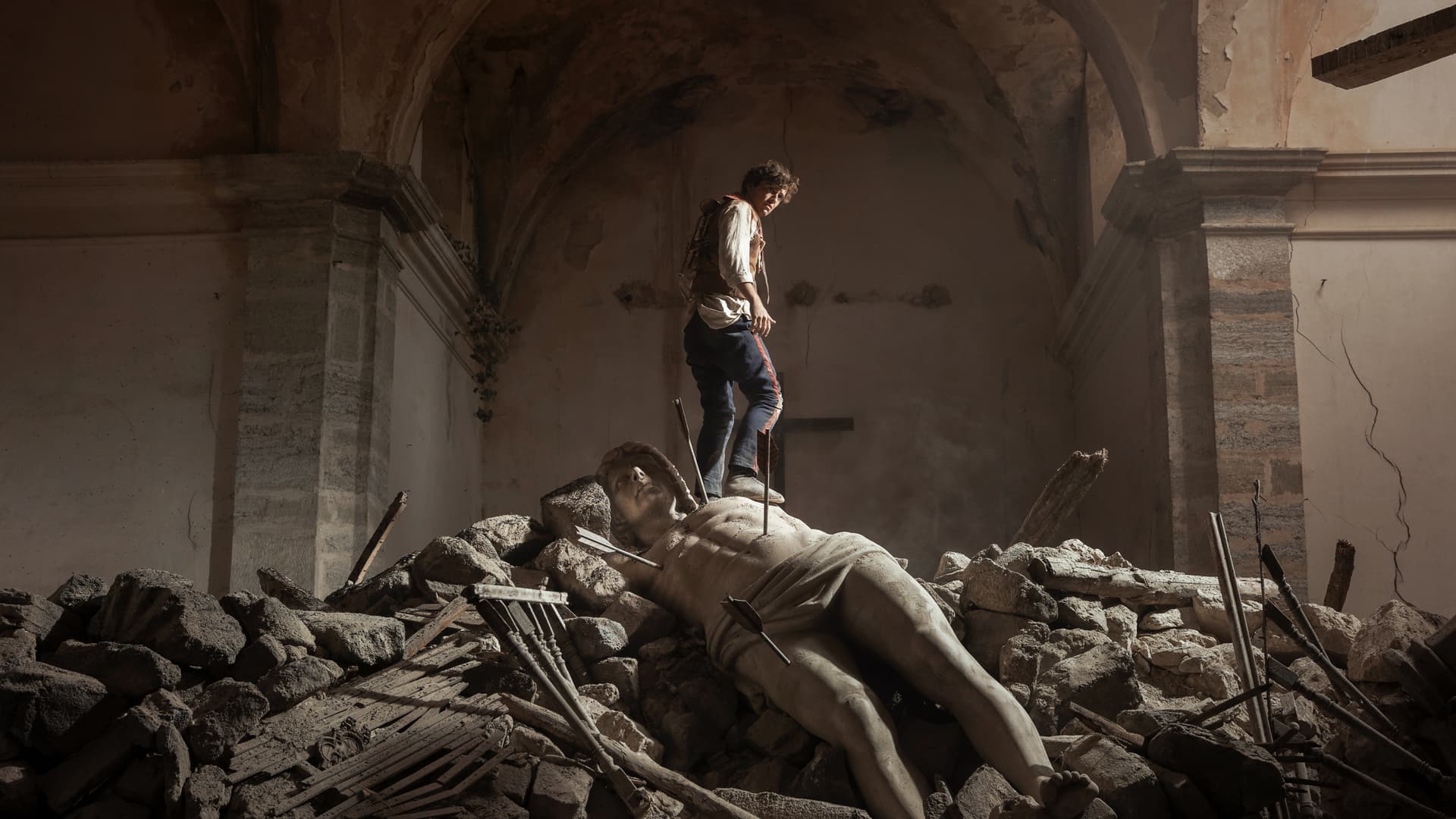
‘La Bola Negra’ Boldly Reimagines a Spanish Love Story, Giving Lorca the Ending He Was Denied
By SEBASTIAN DOGGART
|Today begins a week of work from living poets — and who better to start with than Rhina Espaillat? She is the godmother of the New Formalism, the attempt to reintroduce formal meter and rhyme into poetry.

Published:
Updated:
For its Poem of the Day feature, The New York Sun begins today a week of work from living poets — and who better to start with than Rhina Espaillat? Born in 1932 at Santo Domingo, she is the godmother of the New Formalism, the attempt to reintroduce formal meter and rhyme into poetry. Her English-language books run from “Where Horizons Go” (1998) to “The Field” (2019), and her translations include widely acclaimed renderings of St. John of the Cross into English, and Robert Frost into Spanish. In “Prosody,” she describes the metrical music of poetry as deeper even than the meaning of the words.
By SEBASTIAN DOGGART
|
By ELYSA GARDNER
|
By ELYSA GARDNER
|
By LAWRENCE KUDLOW
|
By JENNIFER DOHERTY
|
By LUKE FUNK
|
By THE NEW YORK SUN
|
By THE NEW YORK SUN
|For its Poem of the Day feature, The New York Sun begins today a week of work from living poets — and who better to start with than Rhina Espaillat? Born in 1932 at Santo Domingo, she is the godmother of the New Formalism, the attempt to reintroduce formal meter and rhyme into poetry. Her English-language books run from “Where Horizons Go” (1998) to “The Field” (2019), and her translations include widely acclaimed renderings of St. John of the Cross into English, and Robert Frost into Spanish. In “Prosody,” she describes the metrical music of poetry as deeper even than the meaning of the words.
Already have a subscription? Sign in to continue reading
Cancel anytime
By continuing you agree to our Privacy Policy and Terms of Service.
Cancel anytime