

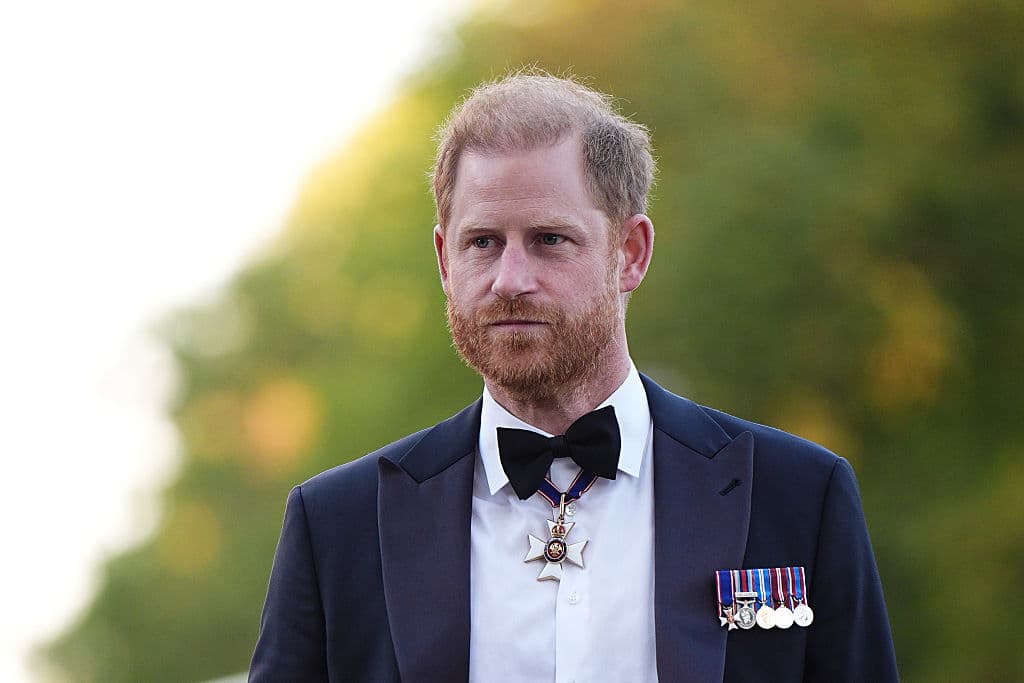
Harry and Meghan Condemn ‘Extraordinary Recklessness’ After ‘European Paparazzi’ Caught Peering Into Children’s School
By A.R. HOFFMAN
|If the seventeenth-century metaphysical poets meant to examine the paradoxes of the Christian soul, then it fell to their secular counterparts to take up the paradoxes of the all-too-human heart.
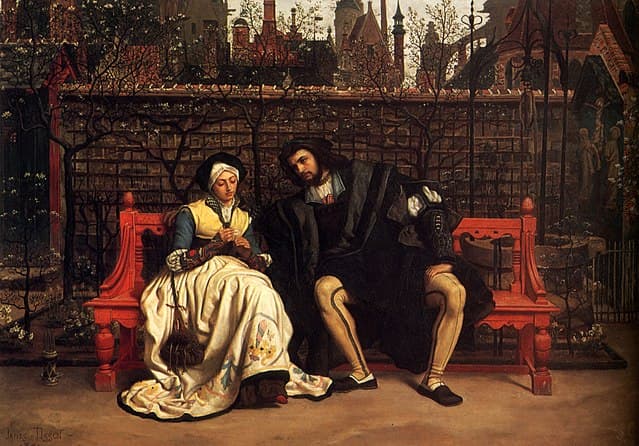
Richard Lovelace (1618–1657) belonged to the company of courtier-poets with whom the English king, Charles I, an ardent patron of the arts, surrounded himself in the numbered days of his flourishing. “Cavaliers,” the court’s Parliamentarian opponents called these courtiers — and they did not mean it as a compliment. The word derives from the French chevalier (a mounted knight), but in the context of the power struggle that culminated in the English Civil War, cavalier became a term of puritan mockery, intimating that the Stuart monarch had gathered to himself an effete pack of fops and wastrels. For his pro-Royalist sympathies and activities, Lovelace served two stints in prison in the 1640s. He died in poverty at thirty-nine, his star extinguished. But in the golden haze of the early 1630s, according to his Oxford contemporary Anthony Wood, he had been “the most amiable and beautiful person that ever eye beheld; a person also of innate modesty, virtue, and courtly deportment . . . much admired and adored by the female sex.”
By A.R. HOFFMAN
|
By MARIE POHL
|
By BRADLEY CORTRIGHT
|
By HOLLIE McKAY
|
By LUKE FUNK
|
By THE NEW YORK SUN
|
By CONRAD BLACK
|
By MICHEL GURFINKIEL
|Richard Lovelace (1618–1657) belonged to the company of courtier-poets with whom the English king, Charles I, an ardent patron of the arts, surrounded himself in the numbered days of his flourishing. “Cavaliers,” the court’s Parliamentarian opponents called these courtiers — and they did not mean it as a compliment. The word derives from the French chevalier (a mounted knight), but in the context of the power struggle that culminated in the English Civil War, cavalier became a term of puritan mockery, intimating that the Stuart monarch had gathered to himself an effete pack of fops and wastrels. For his pro-Royalist sympathies and activities, Lovelace served two stints in prison in the 1640s. He died in poverty at thirty-nine, his star extinguished. But in the golden haze of the early 1630s, according to his Oxford contemporary Anthony Wood, he had been “the most amiable and beautiful person that ever eye beheld; a person also of innate modesty, virtue, and courtly deportment . . . much admired and adored by the female sex.”
Already have a subscription? Sign in to continue reading
Cancel anytime
By continuing you agree to our Privacy Policy and Terms of Service.
Cancel anytime