


RFK Jr. Launches New Federal Autism Research Program
By LUKE FUNK
|Like all genuine works of art, the poem is susceptible to several interpretations, but the strongest may be that only the cold is real: the cold of ice cream, and the cold of death.
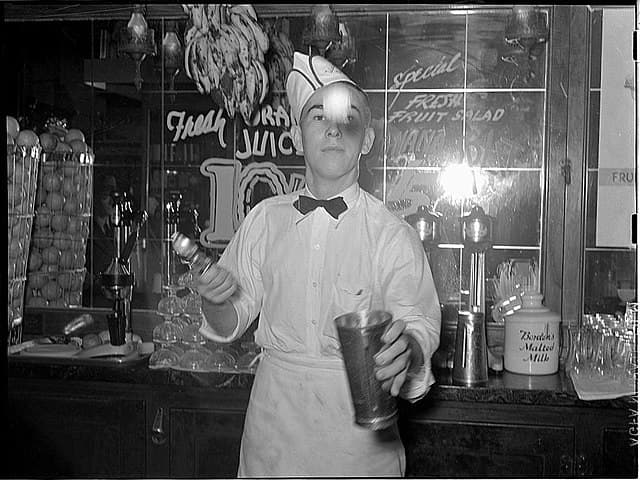
The generation of Wallace Stevens (1879–1955) is slowly coming out of copyright, which makes more of the second generation of modernist writers available online. For a winter day here in February, the more typical choice might be Stevens’s “The Snow Man.” But there may be something even more compellingly cold about his 1922 poem, “The Emperor of Ice-Cream.” Like all genuine works of art, the two mostly tetrameter eight-line stanzas are susceptible to several interpretations, but the strongest may be that only the cold is real: the cold of ice cream, and the cold of death. “Let be be finale of seem,” as Stevens writes. “The only emperor is the emperor of ice-cream.”
Possibly referencing the poet’s experiences on a visit to Cuba, the first stanza presents a party, replete with sensual images of ice cream being whipped up in a kitchen. The second stanza reveals that the party is a wake in a poor woman’s apartment, her particle-board dresser opened to find the sheet with which to cover her corpse — “how cold she is, and dumb” — from which, in a cruel detail, her callused feet protrude. Both stanzas end with a rhyme and the same conclusion: “The only emperor is the emperor of ice-cream.” The only thing that’s real is cold, a sign of life in a cup of ice cream and a sign of death in a corpse.
By LUKE FUNK
|
By BRADLEY CORTRIGHT
|
By ALEX ZDAN
|
By VERONIQUE de RUGY
|
By JENNIFER DOHERTY
|
By A.R. HOFFMAN
|
By MATTHEW RICE
|
By CARLOS SOUSA
|The generation of Wallace Stevens (1879–1955) is slowly coming out of copyright, which makes more of the second generation of modernist writers available online. For a winter day here in February, the more typical choice might be Stevens’s “The Snow Man.” But there may be something even more compellingly cold about his 1922 poem, “The Emperor of Ice-Cream.” Like all genuine works of art, the two mostly tetrameter eight-line stanzas are susceptible to several interpretations, but the strongest may be that only the cold is real: the cold of ice cream, and the cold of death. “Let be be finale of seem,” as Stevens writes. “The only emperor is the emperor of ice-cream.”
Possibly referencing the poet’s experiences on a visit to Cuba, the first stanza presents a party, replete with sensual images of ice cream being whipped up in a kitchen. The second stanza reveals that the party is a wake in a poor woman’s apartment, her particle-board dresser opened to find the sheet with which to cover her corpse — “how cold she is, and dumb” — from which, in a cruel detail, her callused feet protrude. Both stanzas end with a rhyme and the same conclusion: “The only emperor is the emperor of ice-cream.” The only thing that’s real is cold, a sign of life in a cup of ice cream and a sign of death in a corpse.
Cancel anytime
By continuing you agree to our Privacy Policy and Terms of Service.
Cancel anytime