

As Anti-Israel Animus Surges and Turkey Threatens, Greece Signs Deal With Jewish State for $3 Billion ‘Achilles Shield’
By A.R. HOFFMAN
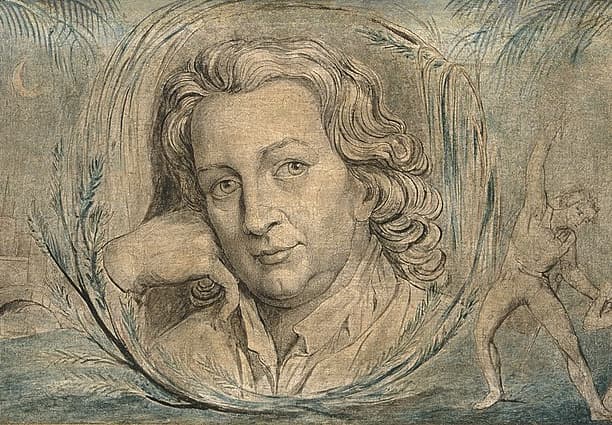
|Thomas Otway is best remembered as a playwright. His ‘The History and Fall of Caius Marius’ outperformed ‘Romeo and Juliet’ for most of the century following its debut.

Published:
Updated:
It would be inaccurate to say of Thomas Otway (1652–1685) that he flourished in the Restoration period. That is, drama, his chief artistic medium, flourished in the Restoration period. Otway, who turned his hand to playwriting after a single abysmal, stage-fright-crippled turn as an actor, wrote a handful of plays that flourished. Incredibly, at least to us, his 1680 play, “The History and Fall of Caius Marius” outperformed “Romeo and Juliet” for most of the century following its debut at London’s Dorset Garden Theatre. Two other plays, “The Orphan” and “Venice Preserv’d,” remained in consistent production into the nineteenth century.
But despite these dramatic successes, Otway himself, a vicar’s son who did not please his father by following him into holy orders, failed to flourish. His muse and love interest, the actress Elizabeth Barry, happily played leading parts in his dramas, but had no intention of abandoning her lover, John Wilmot, the second Earl of Rochester (1647–1680). A bout of military service, undertaken to mend his broken heart and compensated with worthless scrip, only left him in poverty.
By A.R. HOFFMAN
|
By ALEX ZDAN
|
By JOSEPH CURL
|
By ALEXANDER LARMAN
|
By GEORGE WILLIS
|
By TOM TEODORCZUK
|
By DEAN KARAYANIS
|
By A.R. HOFFMAN
|It would be inaccurate to say of Thomas Otway (1652–1685) that he flourished in the Restoration period. That is, drama, his chief artistic medium, flourished in the Restoration period. Otway, who turned his hand to playwriting after a single abysmal, stage-fright-crippled turn as an actor, wrote a handful of plays that flourished. Incredibly, at least to us, his 1680 play, “The History and Fall of Caius Marius” outperformed “Romeo and Juliet” for most of the century following its debut at London’s Dorset Garden Theatre. Two other plays, “The Orphan” and “Venice Preserv’d,” remained in consistent production into the nineteenth century.
But despite these dramatic successes, Otway himself, a vicar’s son who did not please his father by following him into holy orders, failed to flourish. His muse and love interest, the actress Elizabeth Barry, happily played leading parts in his dramas, but had no intention of abandoning her lover, John Wilmot, the second Earl of Rochester (1647–1680). A bout of military service, undertaken to mend his broken heart and compensated with worthless scrip, only left him in poverty.
Already have a subscription? Sign in to continue reading
Cancel anytime
By continuing you agree to our Privacy Policy and Terms of Service.