


In Stunning Move, Fetterman Addresses GOP Midterm Convention, Praising Pennsylvania’s Republican Senator
By MATTHEW RICE
|Caitlin Doyle belongs to a younger generation of poets whose work evinces, without self-consciousness or strained effort, a deep sense of traditional poetic form.
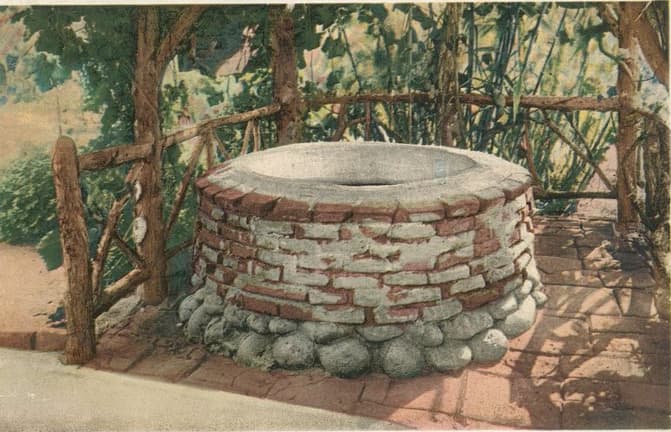
Like Boris Dralyuk (whose “Absentee Ballet” ran as the Sun’s Poem of the Day on January 11), the contemporary poet Caitlin Doyle belongs to a younger generation of poets whose work evinces, without self-consciousness or strained effort, a deep sense of traditional poetic form. Ms. Doyle, a native of Long Island, New York, stands out in an impressive field as a poet for whom the structures of rhyme and meter are so embedded in the ear and imagination that her formal play feels as reflexive as laughter. In a poem like “Carnival,” for example, the simple patterns of children’s verse turn into something which, like the funhouse mirrors the poem describes, offers an experience which is simultaneously exhilarating and obscurely scary.
By MATTHEW RICE
|
By ALEX ZDAN
|
By BRADLEY CORTRIGHT
|
By DAVID MASTIO
|
By ALEXANDER LARMAN
|
By LAWRENCE KUDLOW
|
By BENNY AVNI
|
By THE NEW YORK SUN
|Like Boris Dralyuk (whose “Absentee Ballet” ran as the Sun’s Poem of the Day on January 11), the contemporary poet Caitlin Doyle belongs to a younger generation of poets whose work evinces, without self-consciousness or strained effort, a deep sense of traditional poetic form. Ms. Doyle, a native of Long Island, New York, stands out in an impressive field as a poet for whom the structures of rhyme and meter are so embedded in the ear and imagination that her formal play feels as reflexive as laughter. In a poem like “Carnival,” for example, the simple patterns of children’s verse turn into something which, like the funhouse mirrors the poem describes, offers an experience which is simultaneously exhilarating and obscurely scary.
Already have a subscription? Sign in to continue reading
Cancel anytime
By continuing you agree to our Privacy Policy and Terms of Service.