Prosecutor Who Replaced Fani Willis Faces Deadline: Will He Proceed With Case Against Trump, or Finally End It?
The future of the final criminal indictment of the 47th president rests with a Peach State prosecutor.
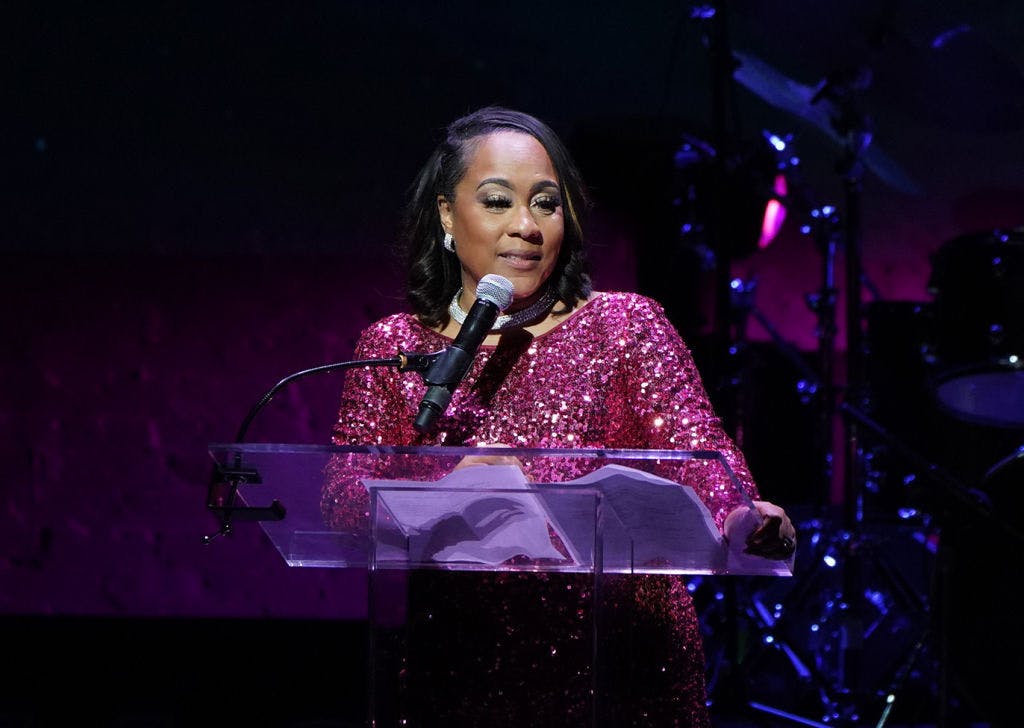

The fate of the prosecution of President Trump and 18 others launched by the district attorney of Fulton County, Fani Willis, now rests in the hands of a Georgia prosecutor who appointed himself to steward the case.
That decision will have to be made quickly. Soon after Mr. Skandalais announced his intention to take the reins — on the last possible day— Judge Scott McAfee, the presiding state judge, issued an order setting a hearing for December 1. While Mr. Trump and his co-defendants will not required to be present, Judge McAfee wants to know whether Mr. Skandalakis, a Republican, intends to push forward, drop the charges, or amend them in a new indictment.
Mr. Skandalakis is the executive director of the Prosecuting Attorneys’ Council of Georgia. That independent group was, by law, tasked with finding a replacement for Ms. Willis after she was disqualified by the Georgia Court of Appeals for a secret romance with the special prosecutor she hired for this case, Nathan Wade. The appellate court found this to be the “rare case in which disqualification is mandated.”
Judge McAfee, a Republican who was elected to his judgeship in a nonpartisan election in an overwhelmingly Democratic county Republican, has a long history with the case. He heard the first arguments for Ms. Willis’s disqualification after the romance between Mr. Wade and Ms. Willis surfaced following contentious divorce proceedings between Mr. Wade and his ex-wife. McAfee heard testimony that Mr. Wade and Ms. Willis took vacations together to Napa Valley, Belize, and Aruba. Mr. Wade was paid some $700,000 by Ms. Willis’s office.
Judge McAfee declined to disqualify Ms. Willis, though he did find that the behavior of her and Ms. Wade’s behavior emitted an “odor of mendacity” and was” legally improper.” Mr. Skandalakis’s involvement began when the Court of Appeals reversed Judge McAfee and barred Ms. Willis from the case after finding that her relationship with Mr. Wade could have affected her decision to bring charges in the first place.
Judge McAfee demurred from ruling that Ms. Willis lied when she testified that she and Mr. Wade began dating only after he was hired. Telephone data adduced by the defendants, though, showed that the two exchanged thousands of calls and text messages during a period when Ms. Willis insisted they were just “friends.” The Court of Appeals, though, ruled that the romance affected Ms. Willis’s charging decisions.
Prosecutors are generally afforded the “presumption of regularity,” meaning that their exercise of discretion is usually not amenable to challenge. That presumption can be overcome, though, and the appellate court found this to be a case where a “significant appearance of impropriety”warranted disqualification.
Mr. Skandalakis is no stranger to swooping into a case begun by Ms. Willis. He took over after the district attorney was barred from her prosecution, for election interference after the 2020 election, of Burt Jones, now the Peach State’s lieutenant governor and a candidate to succeed Governor Brian Kemp. Mr. Jones was an unindicted co-conspirator in the case against Mr. Trump. Ms. Willis was suspended for the case after hosting a political fundraiser for one of Mr. Jones’s political opponents.
Mr. Skandalakis took some two years to decide what to do with respect to Mr. Jones before eventually dropping the case. Here, he admits that he selected himself only after his “inability to secure another conflict prosecutor to assume responsibility for this case. Several prosecutors were contacted and, while all were respectful and professional, each declined the appointment.” That could suggest widespread skepticism toward Ms. Willis’s case, which is built as a sprawling racketeering prosecution.
Mr. Skandalakis explains that “while it would have been simple to allow Judge McAfee’s deadline to lapse or to inform the Court that no conflict prosecutor could be secured— thereby allowing the case to be dismissed for want of prosecution—I did not believe that to be the right course of action.” Any attempt to prosecute Mr. Trump while he is in office would likely encounter stiff resistance from the Supreme Court.
The prosecutor writes to Judge McAfee that “the best course of action is to appoint myself to the case. This will allow me to complete a comprehensive review and make an informed decision regarding how best to proceed.” Mr. Skandalakis also informs the judge that he is in possession of a vast trove of evidence from the case — 101 banker boxes of documents and an eight-terabyte hard drive.
Even if Mr. Skandalakis waits until 2029 to relaunch the case, Mr. Trump will likely move swiftly for dismissal on the basis of the Nine’s grant of presumptive immunity to official presidential acts. Ms. Willis’s indictment would likely need to be revised to account for that new legal reality codified in Trump v. United States. Precedent could be found in Special Counsel Jack Smith’s second indictment of Mr. Trump for January 6, which the prosecutor maintained comported with the high court’s command.
If Mr. Skandalakis elects to end the case, Fulton County taxpayers could be on the hook for legal bills amassed by the case’s 19 defendants. That liability flows from a law passed in May that allows defendants to recoup costs if a case’s prosecutor is disqualified for misconduct. Mr. Trump’s attorney, Steven Sadow, praised that bill as “a turning point in holding unethical, opportunistic and deceitful prosecutors accountable for their misconduct.”