Prosecutors Accuse Skeptical Judge in Comey Case of Exceeding His Authority After He Scolds Trump’s DOJ as ‘Highly Unusual’

‘Indict first, investigate later’ is how Judge Fitzpatrick describes the government’s strategy.
Alex Wong/Getty Images
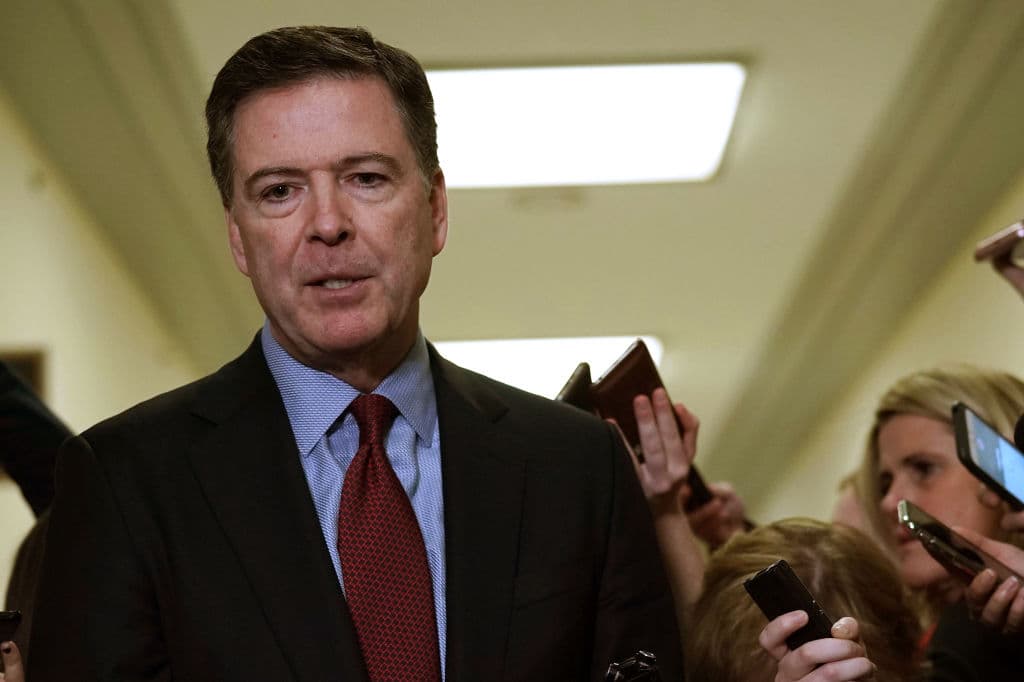
James Comey on Capitol Hill, December 7, 2018. Alex Wong/Getty Images

Critical comments made by the magistrate judge presiding over the criminal case against James Comey suggest that the Trump administration’s prosecution of the former FBI director is off to a rocky start, and raises the possibility that an appeals court will ultimately decide if the prosecution moves forward. 

This week, at a pre-trial hearing, the Department of Justice appeared to be on its back foot. The presiding magistrate judge, William Fitzpatrick, chided prosecutors for pursuing an “indict first, investigate later” strategy against Mr. Comey. Magistrate judges, who are appointed by the district judges of the relevant jurisdiction, are tasked with handling proceedings at an early stage of the case. 

Judge Fitzpatrick ordered the government to disclose a raft of documents from search warrants and grand jury proceedings. The DOJ argues that the command exceeds the “scope of the Magistrate Judge’s delegated authority and was entered without the necessary findings that the defendant has shown particularized and factually based grounds exist for disclosure and that the need for disclosure outweighs the long-established public interest in grand jury secrecy.”

Mr. Comey has pleaded “not guilty” to charges that he made a false statement to Congress and obstructed justice. The allegations stem from testimony he delivered in 2020 about leaks in the investigation into Russian interference in the 2016 presidential election. The prosecution is being led by the acting United States attorney for the Eastern District of Virginia, Lindsey Halligan. She previously served as a personal attorney to Mr. Trump in the Mar-a-Lago case and was tasked with reforming the Smithsonian. 

Ms. Halligan, though, has never prosecuted a felony case. She was named to the prestigious post after her predecessor, Erik Siebert, resigned under pressure after Mr. Trump told reporters he wanted him gone. While Mr. Trump pinned his displeasure with Mr. Siebert on the support Mr. Siebert enjoyed from the Old Dominion’s two Senate Democrats, ABC News reports that Mr. Siebert was resisting prosecuting the Comey case or the mortgage fraud one against New York’s attorney general, Letitia James. Now Ms. Halligan is in charge of both files.

Judge Fitzpatrick delivered a setback to Ms. Halligan when he demanded full transcripts for the grand jury sessions and warrants that led to the handing up of charges against Mr. Comey. Some of those materials stretch back years. The judge’s interest in the minutiae of the case suggests he is skeptical of its underpinnings.

Grand jurors, government attorneys, court reporters, and other court personnel are all prohibited by law from discussing grand jury proceedings. The rule of secrecy, though, does not apply to witnesses, who are free to discuss their own testimony.

Unusually, Ms. Halligan presented the case to the grand jury herself. Judge Fitzpatrick, in a hearing on Thursday, called Ms. Halligan’s conduct “highly unusual” and is ordering the government to turn over “all grand jury materials” immediately. The warrants relate to an investigation into a confidant of Mr. Comey’s, Daniel Richman, who is a professor at Columbia University’s law school. Mr. Richman served as Mr. Comey’s lawyer, meaning those documents could be privileged.

Mr. Comey is also attacking the four corners of the indictment more broadly. His legal team, led by a famously ruthless former federal prosecutor, Patrick Fitzgerald, alleges that the prosecution is “vindictive” and “selective.” Mr. Comey points to a Truth Social post from Mr. Trump, addressed to Attorney General Pam Bondi, where the president declared: “What about Comey, Adam ‘Shifty’ Schiff, Leticia??? They’re all guilty as hell … JUSTICE MUST BE SERVED, NOW!!!”

The government denies that the prosecution is motivated by animus. It writes that Mr. Comey “spins a tale that requires leaps of logic and a big dose of cynicism, then he calls the President’s post a direct admission. … The President’s social-media posts are clear on why he thinks the defendant should be prosecuted: he thinks the defendant is ‘guilty as hell.’” Mr. Comey insists that he is being “singled out” for prosecution.

Mr. Comey is characterizing Ms. Halligan’s appointment as unlawful. Federal law — and a memorandum written by a young government lawyer named Samuel Alito in 1986 — would appear to indicate that the attorney general cannot make two consecutive interim appointments for United States attorney. That is what Ms. Bondi did in appointing as interim prosecutors first Mr. Siebert and then Ms. Halligan.

The DOJ maintains: “Even were Ms. Halligan’s appointment invalid, the motions to dismiss should be denied. While Defendants challenge Ms. Halligan’s appointment as interim US Attorney, the actions they challenge do not hinge on her validly holding that particular office.” A similar challenge to the appointment of Alina Habba as the top prosecutor in New Jersey has succeeded, though the judge there declined to dismiss the indictments she secured and she remains in place. The Trump administration is appealing that disqualification.

The U.S. attorney appointments problems in Virginia, New Jersey, and also in upstate New York — where a grand jury is involved in another investigation of Ms. James — stem from a Senate convention known as blue-slipping. That custom mandates that a state’s two senators get to sign off on United States attorneys in their state. Democratic senators in blue states like Virginia, New York and New Jersey have been blocking some of Mr. Trump’s more polarizing picks for United State attorney positions. 

Mr. Trump has demanded that the GOP-controlled Senate end the blue-slipping practice, but the Senate majority leader, John Thune, has demurred. Mr. Thune has also been at the van of defending the filibuster, which Mr. Trump also wants to abolish.

Mr. Comey is also challenging Ms. Halligan’s indictment. His lawyers write: “Fundamental to any false statement charge are both clear questions and false answers. Neither exists here.” He accuses Senator Ted Cruz — his interlocutor in 2020 — and now the DOJ of sowing “confusion by posing an imprecise question and then seek to exploit that confusion by placing an after-the-fact nefarious interpretation on the ensuing benign answer.”

Even if Mr. Comey succeeds in procuring a dismissal, Mr. Trump can boast of a strong track record on appeal. In multiple cases over the past few years, rulings by district-level judges that went against Mr. Trump have been reversed on appeal. Mr. Trump’s appellate successes include disqualification on the basis of the 14th Amendment, presidential immunity, the civil fraud verdict secured by Ms. James and, just this week, a new hearing in the Stormy Daniels hush money case.


The New York Sun

© 2025 The New York Sun Company, LLC. All rights reserved.

Use of this site constitutes acceptance of our Terms of Use and Privacy Policy. The material on this site is protected by copyright law and may not be reproduced, distributed, transmitted, cached or otherwise used.

The New York Sun

Sign in or  create a free account

or
By continuing you agree to our Privacy Policy and Terms of Use