Radioactive Wasp Nest Uncovered in South Carolina at Former Nuclear Weapons Production Facility
The hive was quickly sprayed and disposed of as if it was hazardous waste, officials claim.
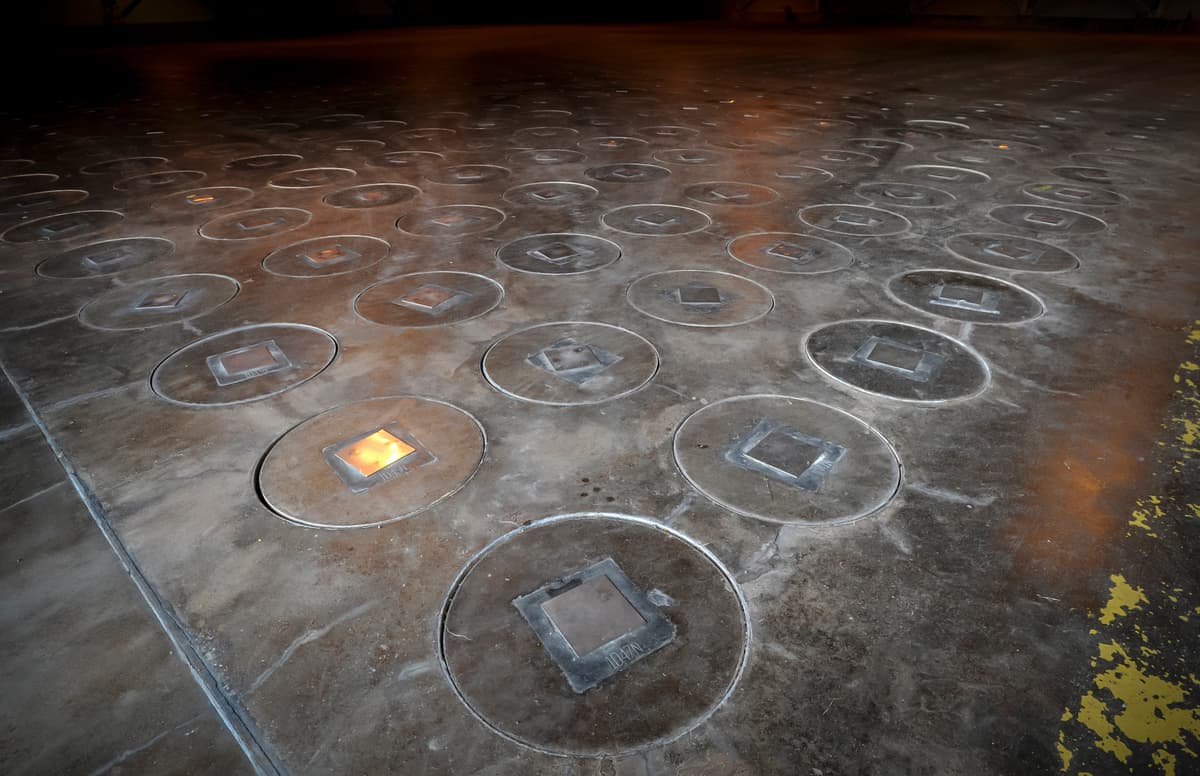
A bizarre discovery was made at the site of a facility that made key parts for nuclear bombs, after workers in South Carolina uncovered a radioactive wasp nest.
Employees conducting routine radiation monitoring at the Savannah River Site near Aiken on July 3 discovered a wasp nest attached to a post near liquid nuclear waste storage tanks, according to a U.S. Department of Energy report. Officials say the nest contained radiation levels 10 times higher than federal regulations permit.
The nest was quickly sprayed with wasp killer and disposed of as if it was radioactive waste, Energy Department officials claimed. The report also claims that none of the waste tanks had any leaks and that the nest was tainted by âonsite legacy radioactive contamination,â or residue left at the site from its time in full operations.
âThe ground and surrounded area did not have any contamination,â the report said.
Savannah River Site Watch, a local environmental group criticized the report, saying it fails to explain the source of the contamination, how the wasps encountered the radioactive material, or address the possibility of additional contaminated nests if there is an underlying leak.
âIâm as mad as a hornet that SRS didnât explain where the radioactive waste came from or if there is some kind of leak from the waste tanks that the public should be aware of,â Tom Clements, executive director of the advocacy group said in a text message to the Associated Press.
According to the Savannah River Mission Completion, which oversee the site, the tank farm is well within the site boundaries and wasps typically fly only a few hundred yards from their nests, ensuring no danger of them leaving the facility. In their statement to local newspaper the Aiken Standard, officials also indicated that any wasps found would contain significantly lower radiation levels than their nests.
The SRMC also said that the site generated more than 165 million gallons of liquid nuclear waste which has been reduced to about 34 million gallons through evaporation. The remainder in 43 underground tanks that remain in use while eight have been closed.