
Remains of Three World Trade Center Victims Identified Nearly 24 Years After September 11 Attack
Of the 2,753 people killed at the World Trade Center, 40 percent, or some 1,000 victims, have yet to be identified.
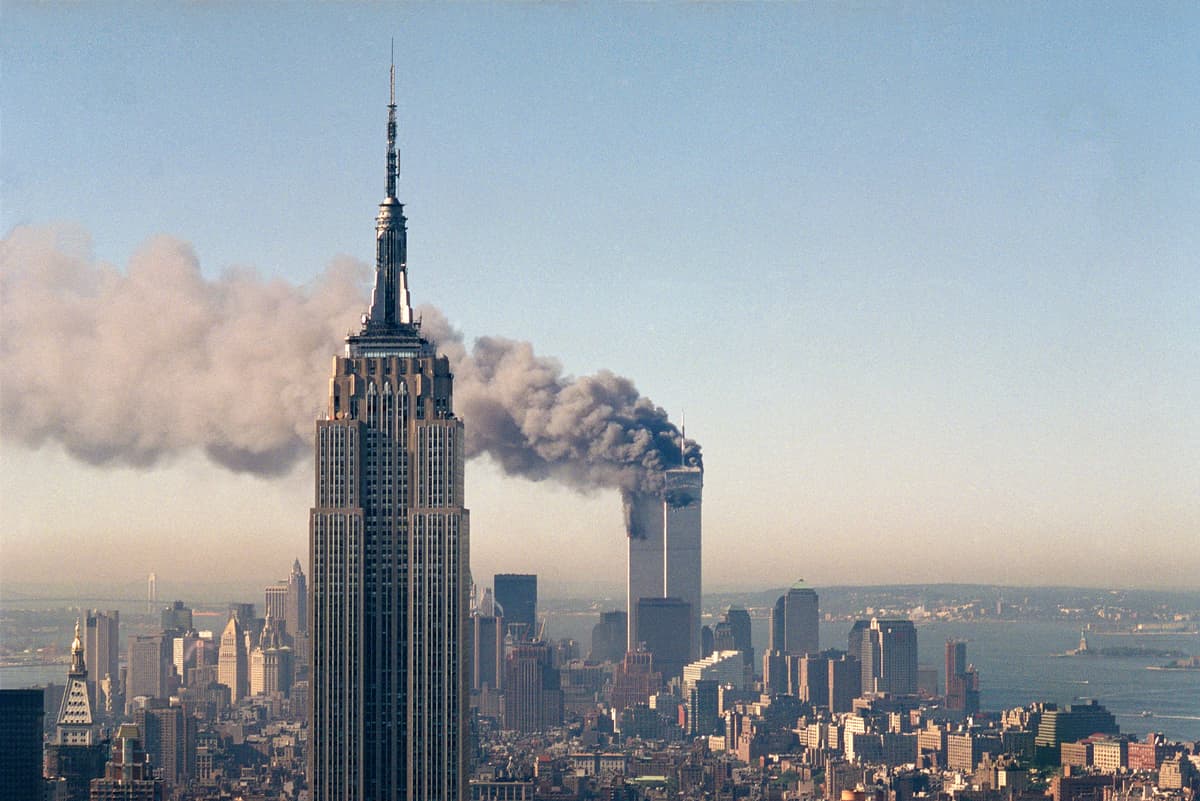
Nearly 24 years after Al Qaeda terrorists staged coordinated suicide attacks against America on September 11, 2001, New York City’s chief medical examiner has identified the remains of three victims who died at the World Trade Center that day.
Officials positively identified Ryan Fitzgerald, a New York native, and Barbara Keating, from Palm Springs, California, as two of the 2,753 people killed at the World Trade Center on September 11. An adult woman whose family did not want her name released publicly was also identified.
The medical examiner’s office credited the positive identifications to “ongoing outreach to families for DNA reference samples” and advanced DNA techniques.
The three individuals mark the 1,651st, 1,652nd, and 1,653rd victims to be positively identified. They are the first new victims identified since January 2024, the office added.
Fitzgerald, who was working as a foreign currency trader at Fiduciary Trust in the South Tower, was remembered in an obituary as “a man on the town” who was enjoying his “newfound independence” in Manhattan. He died at age 26.
Keating was on the American Airlines Flight that crashed into the North Tower. She was returning to California after visiting her grandchildren on the East Coast, according to her obituary. She was a breast cancer survivor. She died at age 72.
“The pain of losing a loved one in the September 11th terror attacks echoes across the decades, but with these three new identifications, we take a step forward in comforting the family members still aching from that day,” Mayor Adams said in a statement.
Many of those who perished in the attack remain unidentified. Of the 2,753 people killed at the World Trade Center, 40 percent, or some 1,000 victims, have yet to be identified.
The city’s chief medical examiner, Jason Graham, vowed to continue the effort. “Each new identification testifies to the promise of science and sustained outreach to families despite the passage of time,” Dr. Graham said in a statement. “We continue this work as our way of honoring the lost.”