

Revamped FEMA Catches a Break as Hurricane Season Spares the East Coast — at Least Until Now
With two months remaining, predictions for an above average storm season have not yet played out.
More than midway through peak hurricane season, the East Coast has so far been spared from a major hurricane that might test the ability of a revamped Federal Emergency Management Agency to respond.
The National Oceanic and Atmospheric Administration had forecast an above-average chance for storms this year, based on warmer than average ocean temperatures, expected weak wind shear, and other factors.
But with two months left in the hurricane season, there have been only nine named storms since June 1 and just three Atlantic hurricanes, none of which has threatened the American coast.
As the season opened, NOAA had forecast 13 to 19 named storms and six to 10 hurricanes, of which three to five would become major hurricanes.
The quieter than expected season is attributed in part to an Atlantic weather pattern called the Azores High — a ridge of high pressure that, when situated closer to Africa as it is this year, allows storms to swing northward further out to sea.
That good fortune is expected to continue at least through October 14, according to NOAA’s tropics hazards outlook, and the peak hurricane season is now ending in the Atlantic basin as storms become more likely to strike the western Caribbean Sea.
But analysts point out it takes just one storm to cause enormous destruction. Hurricane Sandy struck the East Coast on October 29, 2012, causing an estimated $65 billion in damage and nearly 150 deaths.
“We haven’t had any landfalls but it doesn’t mean that October and November cannot be devastating months,” the lead hurricane season forecaster with the National Oceanic and Atmospheric Administration, Matthew Rosencran says. “Don’t let your guard down yet.”
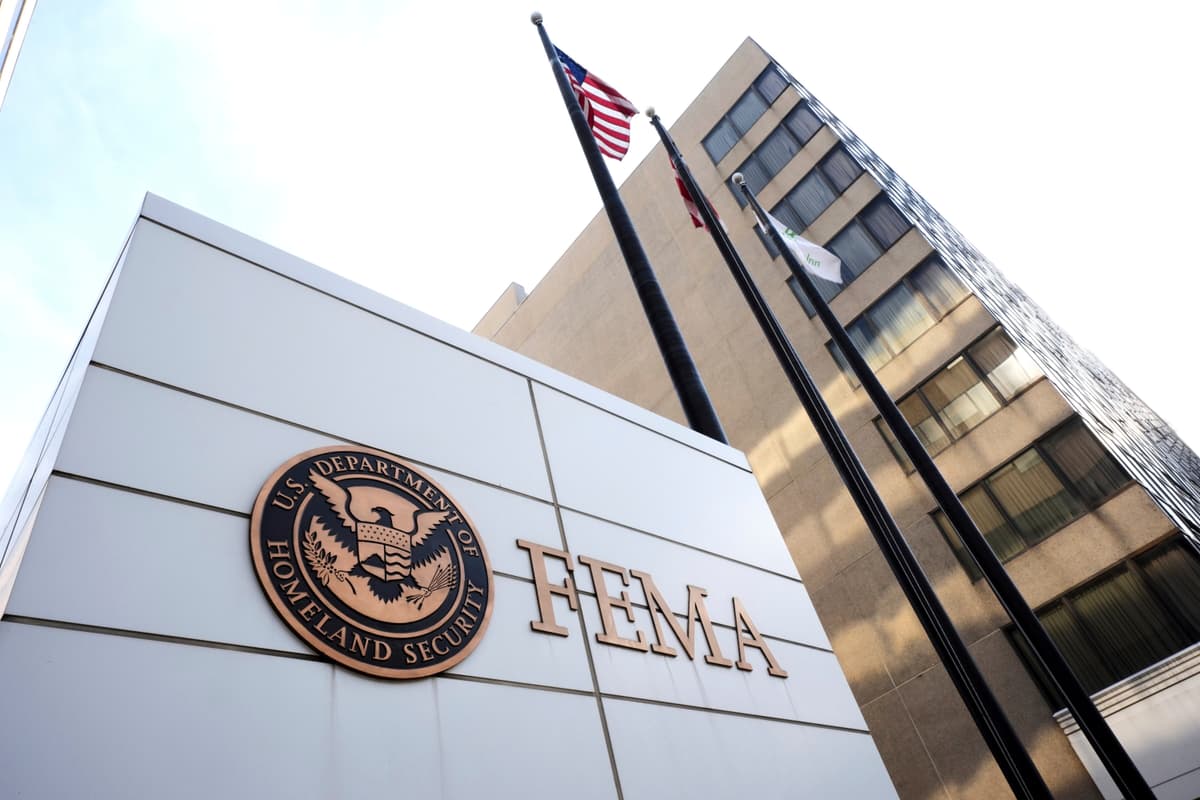
The respite from a major storm has given some breathing space to FEMA, which has been criticized as “slow” and “totally ineffective” by President Trump. The president has called for the dismantling of the agency and suggested that individual states should handle natural disasters as they arise.
A letter signed last month by 191 current and former FEMA employees criticized the agency’s leadership. It claimed the administration’s “devastating attacks” on FEMA programs leaves the country vulnerable to a botched disaster response similar to what happened after Hurricane Katrina hit the Gulf Coast in 2005.
As many as 35 employees who signed the letter were put on administrative leave after the letter was published.
St. Louis has been a test case for the reworked agency. It is trying to recover from a deadly tornado that tore through the city this spring. The storm killed five people and cost millions of dollars in damage. Local officials tell the Wall Street Journal that crucial contracts to rebuild are still awaiting approval due to new bureaucracy in the department.