RFK Jr. Orders Removal of Controversial Mercury-Based Preservative From Flu Vaccines
The move targets thimerosal, a preservative that anti-vaccine activists blame for neurodevelopmental disorders, despite repeated studies debunking such claims.
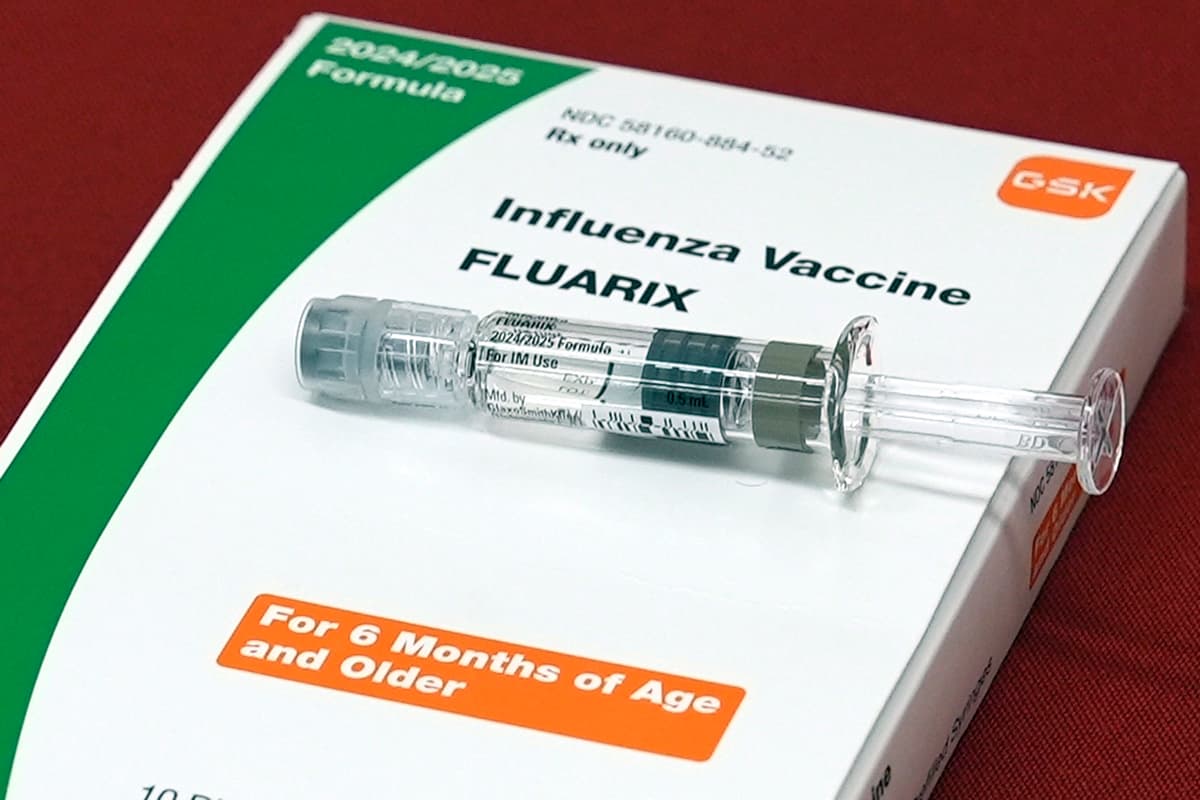

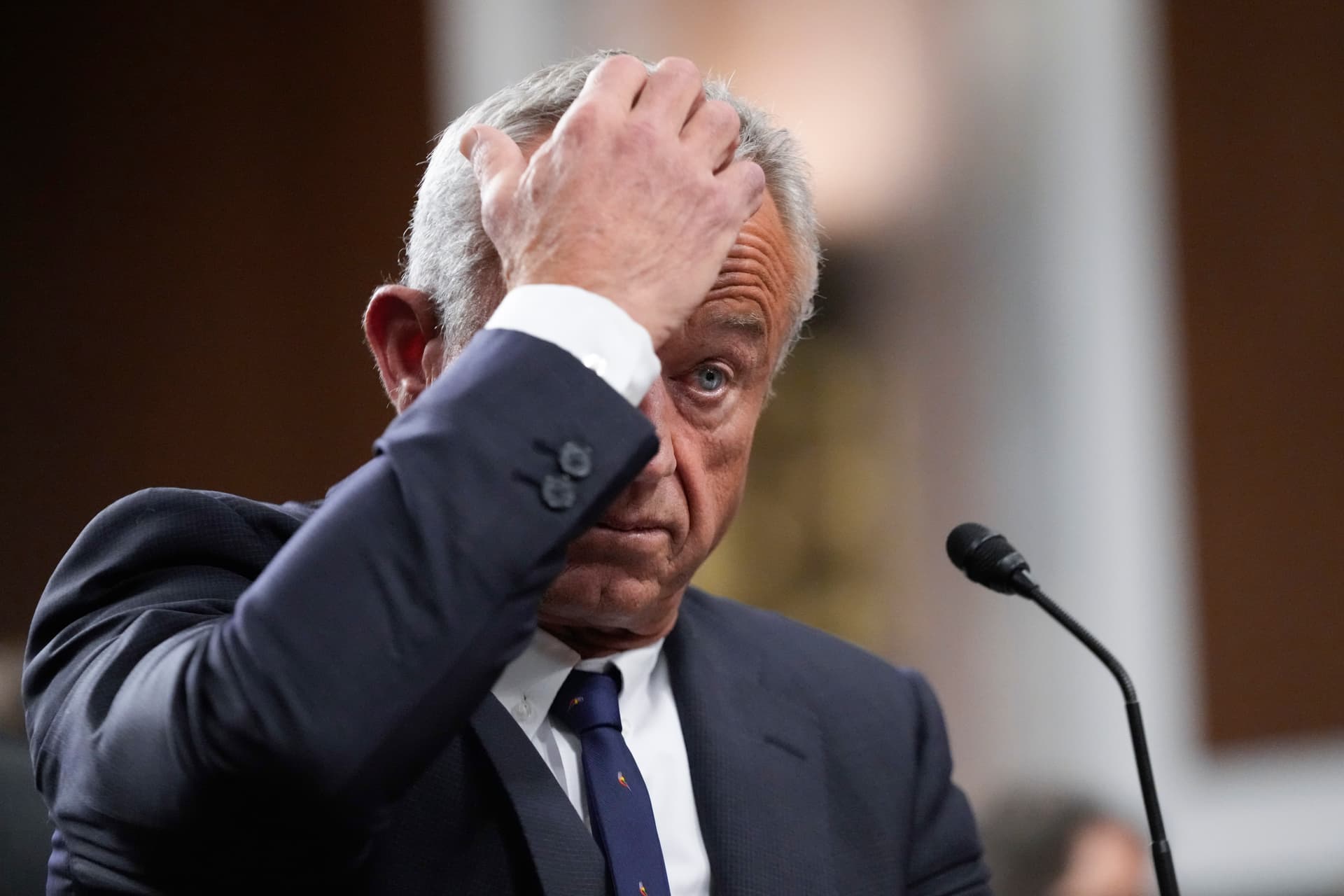
The health secretary, Robert F. Kennedy Jr., on Wednesday formally ordered the removal of a rarely used yet highly controversial mercury-based preservative, thimerosal, from all flu shots in the United States, the Department of Health and Human Services announced.
The move follows recommendations from Mr. Kennedy’s handpicked vaccine advisory panel during a June meeting of the Advisory Committee on Immunization Practices. That panel, which includes noted vaccine skeptics like Robert W. Malone and Martin Kulldorff, voted 5-1, with one abstention, to recommend all children 18 years and younger, pregnant women, and adults receive single-dose influenza vaccines free of thimerosal, a preservative that has been used in multi-dose vaccines since the 1930s.
Previously, thimerosal appeared in fewer than 4 percent of flu doses in the United States that come in multi-dose vials. In 1999, two public health service agencies, the American Academy of Pediatrics and the American Academy of Family Physicians, agreed that due to scientific uncertainty, “it was prudent to reduce childhood exposure to mercury from all sources, including vaccines, to the extent feasible.”
HHS said on Wednesday that vaccine manufacturers have the capacity to replace multi-dose vials of vaccines containing thimerosal and that the new order will not interrupt the Vaccines for Children program or adult vaccine supplies.
In a statement, Mr. Kennedy said his move “fulfills a long-overdue promise to protect our most vulnerable populations from unnecessary mercury exposure.”
“Injecting any amount of mercury into children when safe, mercury-free alternatives exist defies common sense and public health responsibility. Today, we put safety first,” Mr. Kennedy said.
Thimerosal has been in the crosshairs of vaccine critics for years, especially Mr. Kennedy, who speculated in a 2014 book that the additive could cause neurodevelopmental disorders like autism. These claims have been repeatedly debunked.
During the ACIP meeting in June, the president emerita, Lynn Redwood, of an anti-vaccine nonprofit, Children’s Health Defense, delivered a controversial report, “Thimerosal as a Vaccine Preservative,” which cited claims from nonexistent studies.
“The evidence for its reproductive toxicity includes severe mental retardation or malformations in human offspring who were poisoned when their mothers were exposed to ethylmercury or thimerosal when pregnant,” Ms. Redwood read from her presentation.
Thimerosal is metabolized as ethyl mercury, which can be excreted quickly from the body, and not as methyl mercury, the neurotoxin commonly found in fish and shellfish.
Ethylmercury “is not associated with the high neurotoxicity that methylmercury is,” an ACIP board member and head of the pediatric infectious disease service at Tufts Medical Center, Cody Meissner, said during a recent ACIP meeting.
Several studies conducted by the CDC, the World Health Organization, and the National Academy of Medicine found no links between autism and vaccines containing thimerosal.
“Even after thimerosal was removed from almost all childhood vaccines, autism rates continued to increase, which is the opposite of what would be expected if thimerosal caused autism,” according to a 2024 CDC post on thimerosal and vaccines.
In June, Mr. Kennedy, a founder of the Children’s Health Defense, appointed Ms. Redwood as a special government employee in the CDC’s vaccine safety office.
Other recommendations made by the ACIP committee during its June meeting, including giving an RSV shot to infants and reaffirming routine yearly flu shots for all persons over six months, are under review, the HHS said in a statement.
Mr. Kennedy approved all recommendations from the April ACIP meeting, including RSV vaccines for adults aged 50-59. Those recommendations were made before Mr. Kennedy’s wholesale firing of the 17-member board, which he accused of “malevolent malpractice.”