RFK Jr. Says Nonprofit Is Trying To Remove Organs From Donors Who Still Show Signs of Life

A congressional hearing on Tuesday will look at ensuring patient safety in the organ procurement and transplant system.
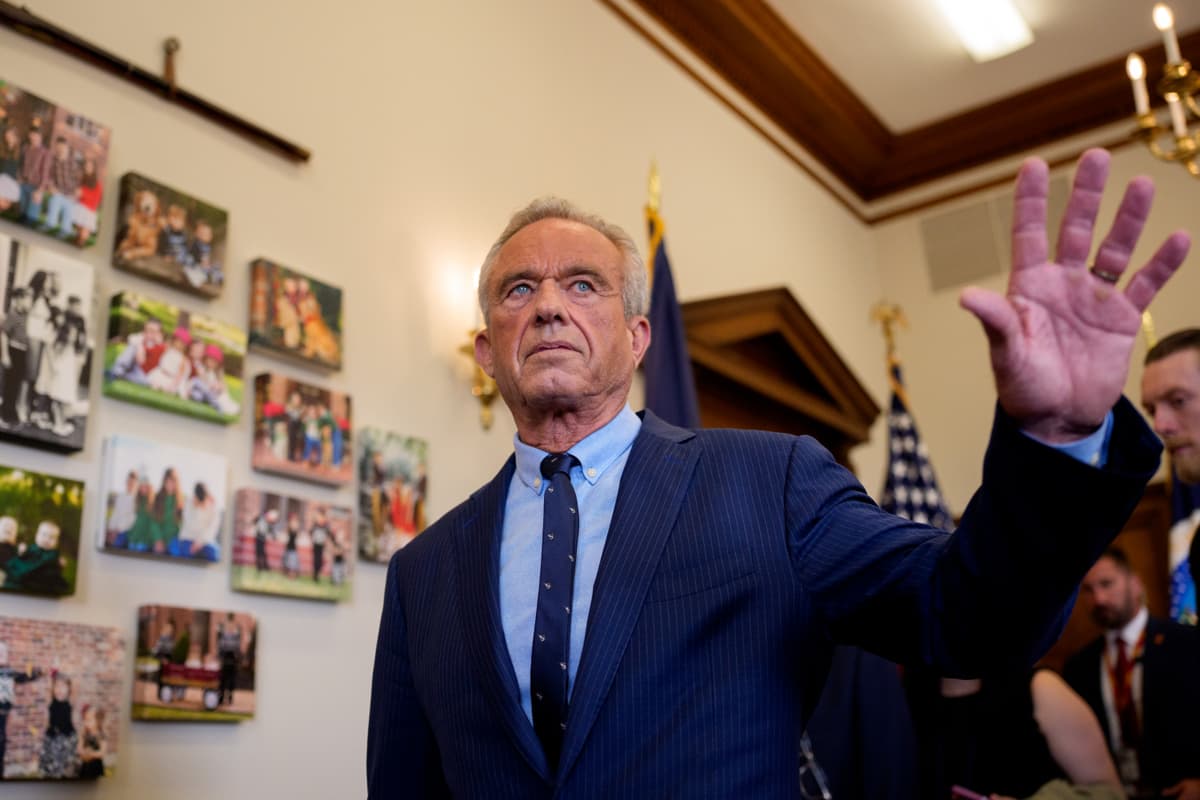

Andrew Harnik/Getty Images
Robert F. Kennedy Jr. Andrew Harnik/Getty Images

The Department of Health and Human Services is accusing a nonprofit in charge of coordinating organ donations in Kentucky of allowing a 2021 organ procurement procedure to begin on a patient who still showed signs of life.

“This is horrifying,” Secretary Kennedy says. “The entire system must be fixed to ensure that every potential donor’s life is treated with the sanctity it deserves.”

The organization involved in the cases cited by Mr. Kennedy, Network for Hope, disputes his claim. The CEO of the nonprofit, Barry Massa, is set to testify in front of an Energy and Commerce subcommittee hearing on organ donations on Tuesday.

The purpose of the hearing is to ensure patient safety in the organ procurement and transplant system. Other witnesses include q former president of the Organ Procurement and Transplantation Network board of directors and the head of the organ transplant branch of the Department of Health and Human Services.

In written testimony released ahead of the hearing, Mr. Massa blames “certain individuals” who promoted “serious, false, and never-before-reported allegations” about a single case from three years ago when a Kentucky man allegedly began to wake up as he was about to be removed from life support.

The man, Anthony Thomas Hoover II, overdosed and was unresponsive for two days before his family agreed to donate his organs. As the procurement organization prepared for surgery, Mr. Hoover began to show signs of life, including thrashing in the bed. A hospital doctor on the scene refused to withdraw life support and Mr. Hoover ended up recovering. He lives with his sister, who is now his legal guardian.

“To our knowledge, no one involved in the October 2021 case ever reported any such allegations,” Mr. Massa says of the claims organ procurement specialists pushed to remove the organs of a man showing signs of life. He adds that it is alarming that someone would wait three years to make such a serious accusation.

The Organ Procurement and Transplantation Network opened an investigation last year and closed it without action. 

Mr. Kennedy ordered the investigation reopened and claims it found 103 cases showing “concerning features,” including 73 patients with neurological signs incompatible with organ donation. The new report allegedly finds at least 28 patients may not have been deceased at the time organ procurement was initiated.

The cases involve a practice called “donation after circulatory death.” In these cases, patients have some brain function but are not expected to recover or survive without life support. In all of the cases investigated, the organ removal surgeries never went forward.

Mr. Massa questions why, if there were purported patient safety concerns, the report sat unreleased before it was shared with the New York Times last month.

“We find it even more troubling that the allegations were first shared with the media, which then amplified and inflamed the false allegations, greatly diminishing and damaging public trust,” Mr. Massa says. He says more than 1,000 people removed their names from the donor registry the month the allegations first surfaced.

Mr. Massa says some improvements can be made to the organ donation process and his group is open to feedback. Mr. Massa says Network for Hope has already incorporated a number of improvements including reassessing a patient’s neurological status every 12 hours before any organ removals.


The New York Sun

© 2025 The New York Sun Company, LLC. All rights reserved.

Use of this site constitutes acceptance of our Terms of Use and Privacy Policy. The material on this site is protected by copyright law and may not be reproduced, distributed, transmitted, cached or otherwise used.

The New York Sun

Sign in or  create a free account

or
By continuing you agree to our Privacy Policy and Terms of Use