
Rising Foreclosures Show Mounting Financial Stress on American Homeowners
Foreclosures have risen for eight straight months in the United States.
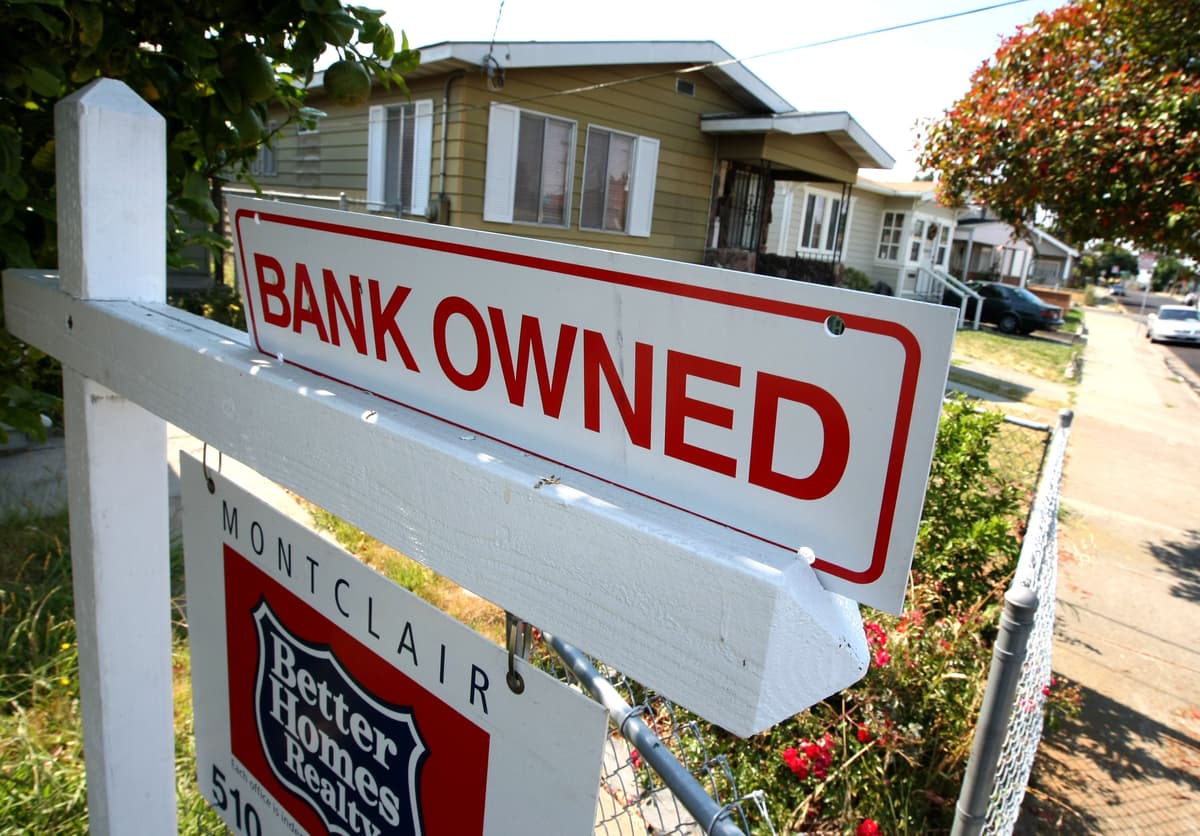
In a sign that the housing market continues to struggle, foreclosure filings were up nearly 20 percent year-over-year last month.
Real estate analytics firm ATTOM says default notices, scheduled auctions or bank repossessions were up three percent month-over-month in October. The monthly increases have continued for much of the year so far.
“Foreclosure activity continued its steady upward trend in October, the eighth straight month of year-over-year increases,” ATTOM’s CEO, Rob Barber, said in a release. “Starts rose nearly 20 percent, while completed foreclosures were up 32 percent from last year.”
The state with the worst foreclosure rate was Florida, where one in every 1,829 homes is in some point of the foreclosure process. South Carolina, Illinois, Delaware, and Nevada were also among the worst.
Tampa was the metro area with the highest foreclosure rate in the country, with one of every 1,373 homes affected. Jacksonville and Orlando rounded out the top three with high foreclosure rates.
There are currently around 37,000 properties in the country in foreclosure, according to ATTOM data.
While a majority of home mortgages are tied to fixed interest rates and remain the same every month, home insurance rates have ballooned in several states, affecting affordability. A Treasury Department analysis released in January showed home insurance rates are increasing 8.7 percent faster than inflation, with some areas seeing premium increases almost 15 percent higher than inflation.
Increased property taxes can also strain homeowner finances. At the same time, interest rates remain stubbornly high, discouraging borrowers from refinancing to seek relief on monthly payments.
Mr. Barber notes that despite the increase in homes under foreclosure, activity remains well below record highs.
The Federal Reserve Bank of St. Louis reports a real estate delinquency rate — the rate of homeowners who are behind in their payments by at least 30 days — of 1.79 percent in the second quarter of 2025, much lower than the 11.49 percent in the aftermath of the 2008 financial crisis.
The Urban Institute says that 94 percent of mortgage defaults occur when a homeowner loses income to extenuating circumstances, such as unemployment. It suggests forbearance — or temporarily suspending mortgage payments — could help to avoid many foreclosures.