
Ronaldo’s Billion-Dollar Portfolio Reflects How Saudi Arabia Is Creating a New Sports Economy
Tax-free salaries, private planes, ownership opportunities are redefining an athlete’s wealth.
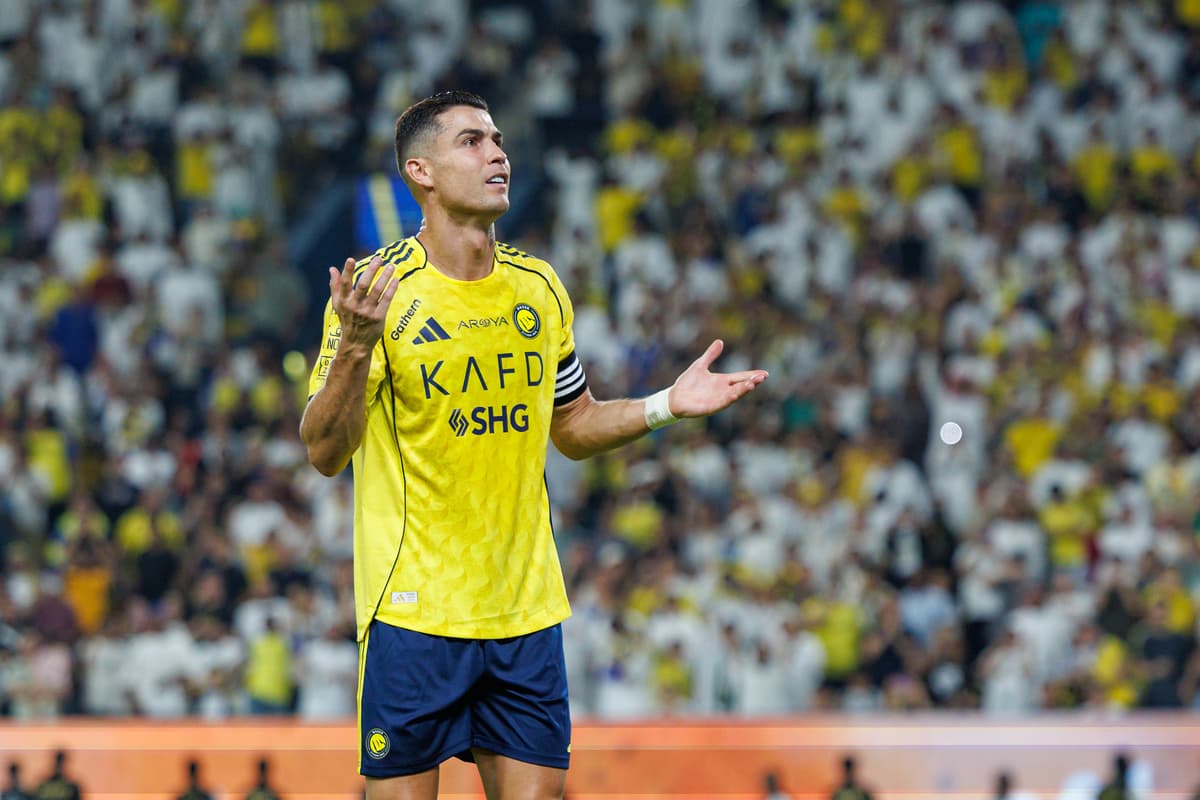
Portuguese soccer star Cristiano Ronaldo has become the sport’s first ever billionaire, a milestone that is not only a personal triumph but a symbol of how Saudi Arabia is reshaping the economics of the sports world.
Mr. Ronaldo’s record-breaking tax-free contract with Al Nassr of the Saudi Pro League not only makes him soccer’s first billionaire player, according to Bloomberg, but is redefining what elite athletes can earn as Saudi Arabia continues to lure stars from major sports like soccer, golf, and tennis. The tax-free benefit and other incentives being offered is forcing leagues from Europe to America to rethink how they compete for global talent.
Mr. Ronaldo, who spent two decades playing for clubs such as Manchester United, Real Madrid, and Juventus, joined Al-Nassr in January 2023 with an initial deal worth a reported $200 million annually, making him the highest paid player in the sport’s history. His recent renewal is said to be worth more than $400 million in tax-free earnings over two years, a sum that few clubs outside Saudi Arabia can match.
The five-time Ballon d’Or winner also has sponsorship deals with Nike worth $18 million a year, and with global brands such as Armani and Castrol that add another $175 million to his net worth, which totals $1.4 billion, according to Bloomberg’s Billionaires Index.
Combined with his real estate investments, hotel ventures, and personal brands, Mr. Ronaldo’s financial portfolio is a testament to his talent on the pitch, careful image management, and drive to be an elite businessman.
Unlike athletes in Europe and America, who can lose a substantial part of their earnings to taxation, Saudi Arabia’s tax-free environment allows Mr. Ronaldo to take home the full value of his salary. That incentive is a cornerstone to Saudi Arabia’s strategy toward becoming a premier destination for elite sports and entertainment. By offering world-class facilities, large contracts, and lifestyle perks, Saudi Arabia is positioning itself as a new frontier for global superstars.
To diversify the Saudi economy beyond oil, Saudi Arabia’s Public Investment Fund, which controls more than $900 billion in assets, is funding ventures across multiple sports, including soccer, LIV Golf, Formula 1, tennis, boxing, and mixed martial arts.
Signing Mr. Ronaldo to play in the Saudi Pro League was the first major acquisition. It legitimized the competition and opened the door for other players like Neymar and Karim Benzema to follow.
News of Mr. Ronaldo reaching billionaire status through a tax-free earning contract that includes use of a private plane and a 15 percent share in his Saudi Arabia club will have other athletes considering career decisions through a new lens of financial and lifestyle incentives.
Mr. Ronaldo, 40, joins sports legends Michael Jordan, Magic Johnson, Tiger Woods, LeBron James, and Roger Federer on the small list of athletes who made billion-dollar fortunes through their NBA, golf, and tennis careers along with lucrative endorsement deals. Yet, Mr. Ronaldo gained the bulk of his wealth through the Saudi Arabia economic system, which changes the financial playbook for athletes, especially global soccer stars.
The shift has forced European clubs to reassess their ability to compete for elite talent. For decades clubs like Real Madrid, Manchester City, and Paris Saint-Germain were unchallenged in their ability to offer the highest wages. Now, they are being outbid by entities offering unprecedented incentives.
When Lionel Messi left Paris Saint-Germain in 2023 to join Inter Miami of Major League Soccer, he was offered $150 million, equity in the club, and a share in the revenue from a streaming deal with Apple TV.
The timing couldn’t be better for Mr. Ronaldo. When he first joined Al-Nassr in 2023, his signing was viewed as an aging player benefiting from his fame in the twilight of a brilliant career. Instead, it has proved to be the defining business decision of his career.
Clearly, Saudi Arabia is using sports and sports stars to change its narrative on the world stage and enhance tourism. That seems to be fine with Mr. Ronaldo, who has no plans of retiring anytime soon.
“Why not continue?” he said recently. “I’m still producing good things. I’m helping my club and the national team. I know I don’t have many years left to play, but the few I have, I will enjoy to the fullest.”
Beyond playing, Mr. Ronaldo wants to pursue club ownership, following the example set by English soccer icon David Beckham, who co-owns Inter Miami.
“If I can be a club owner, why would I be a manager, sporting director or CEO?,” he said this year. “This is my dream and I’m sure I’ll get there. I’ll even say more: I hope to not only have one club to own several clubs.”
In the emerging age of tax-free contracts, sovereign wealth and global expansion, Mr. Ronaldo’s rise to billionaire status is the latest example of a new financial world order in sports.