Senate Republican Wants To Give American Families Up to $2,400 From Tariff Revenue
Americans are reeling from ‘four years of Biden policies that have devastated families’ savings and livelihoods,’ the senator says.
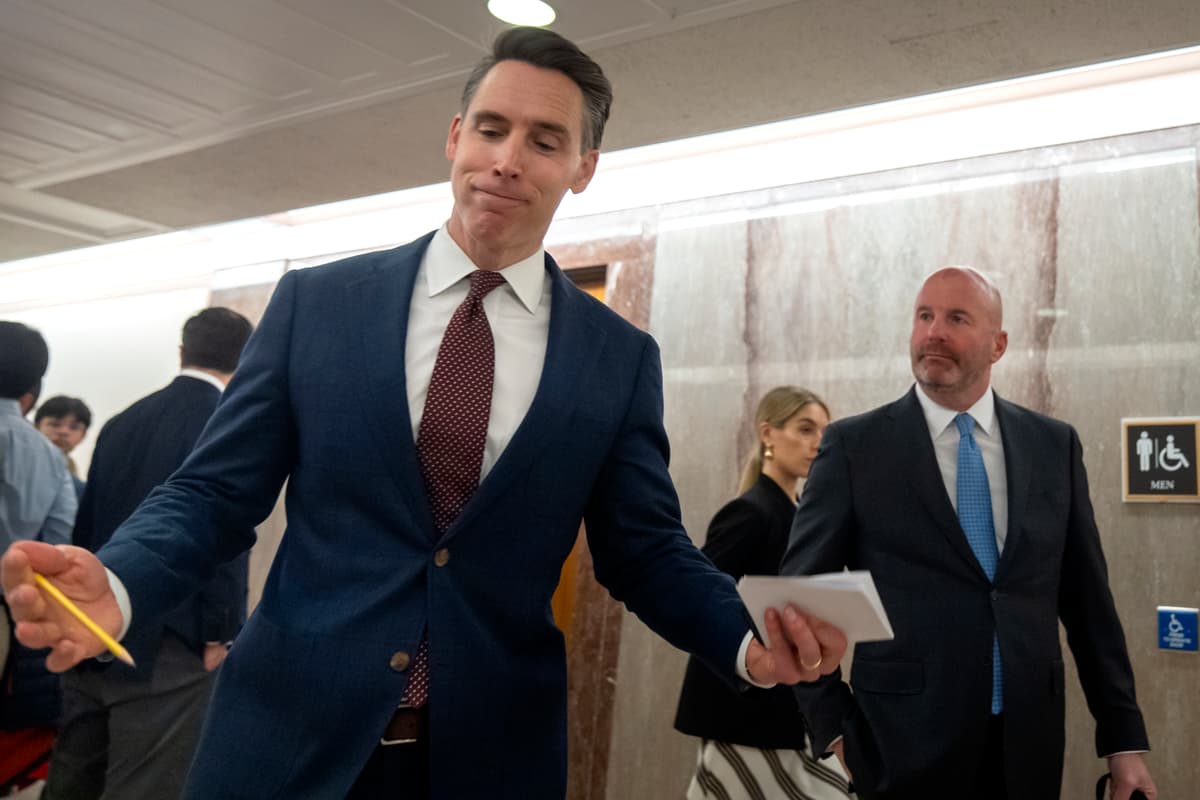

With billions of dollars already coming in from President Trump’s worldwide tariffs, one Republican senator has an idea: give some of it to you.
Senator Hawley has introduced a bill that proposes providing families with up to $600 per adult and child, amounting to $2,400 for a family of four. The rebate would redirect a portion of the revenue generated by Mr. Trump’s tariffs back to American households.
“Like President Trump proposed, my legislation would allow hard-working Americans to benefit from the wealth that Trump’s tariffs are returning to this country,” Mr. Hawley said in a statement. He added that the rebates would help Americans still reeling from “four years of Biden policies that have devastated families’ savings and livelihoods.”
Of course, with prices projected to rise because of Mr. Trump’s tariffs, any rebate may just be the government giving Americans back the extra money they spend on goods.
The Department of the Treasury recently announced that, as of July, tariffs under the Trump administration had brought in some $28 billion for the year, already surpassing June’s total tariff revenue by $1 billion. With total annual revenue nearing $150 billion, these figures put the administration on track to achieve its ambitious $300 billion goal.
Mr. Hawley’s proposed legislation comes shortly after Mr. Trump floated the idea of offering Americans rebate checks. “We’re thinking about a little rebate,” Mr. Trump told reporters last week. “But the big thing we want to do is pay down debt. But we’re thinking about a rebate.”
The bill outlines eligibility parameters that echo the 2020 stimulus checks issued during the Covid-19 pandemic. While families could receive $600 for each member, households exceeding certain income thresholds would see their rebate amounts reduced.
For instance, joint filers earning $150,000 or more; single filers earning $112,500 or more; and individuals earning more than $75,000 would receive reduced payments. On the other hand, if tariff revenues exceed current projections, Americans could see rebates that exceed $600.
Despite the potential relief for families, Senate Democrats and economic analysts have highlighted the broader impact of Trump-era tariffs, often calling them indirect taxes on consumers. They argue that the increased duties on goods are typically passed down to consumers, raising costs for everyday items.
The independent Tax Foundation projected that Mr. Trump’s tariffs, if left in place over the next decade, will bring in $2.5 trillion in revenue. But at the same time, the average U.S. household tax burden would rise by nearly $1,300 this year and nearly $1,700 in 2026. Mr. Hawley said his bill would offset some of those costs.
The bill faces an uphill battle on Capitol Hill. Speaker Johnson recently shot down a different plan to send direct checks to Americans. That plan called for doling out money in a “DOGE dividend” check, in which the government would send out a percentage of the money saved by the so-called Department of Government Efficiency. But DOGE fell far short of Elon Musk’s projection of cutting as much as $2 trillion from the budget, and the billionaire has since abandoned his effort and left Washington.