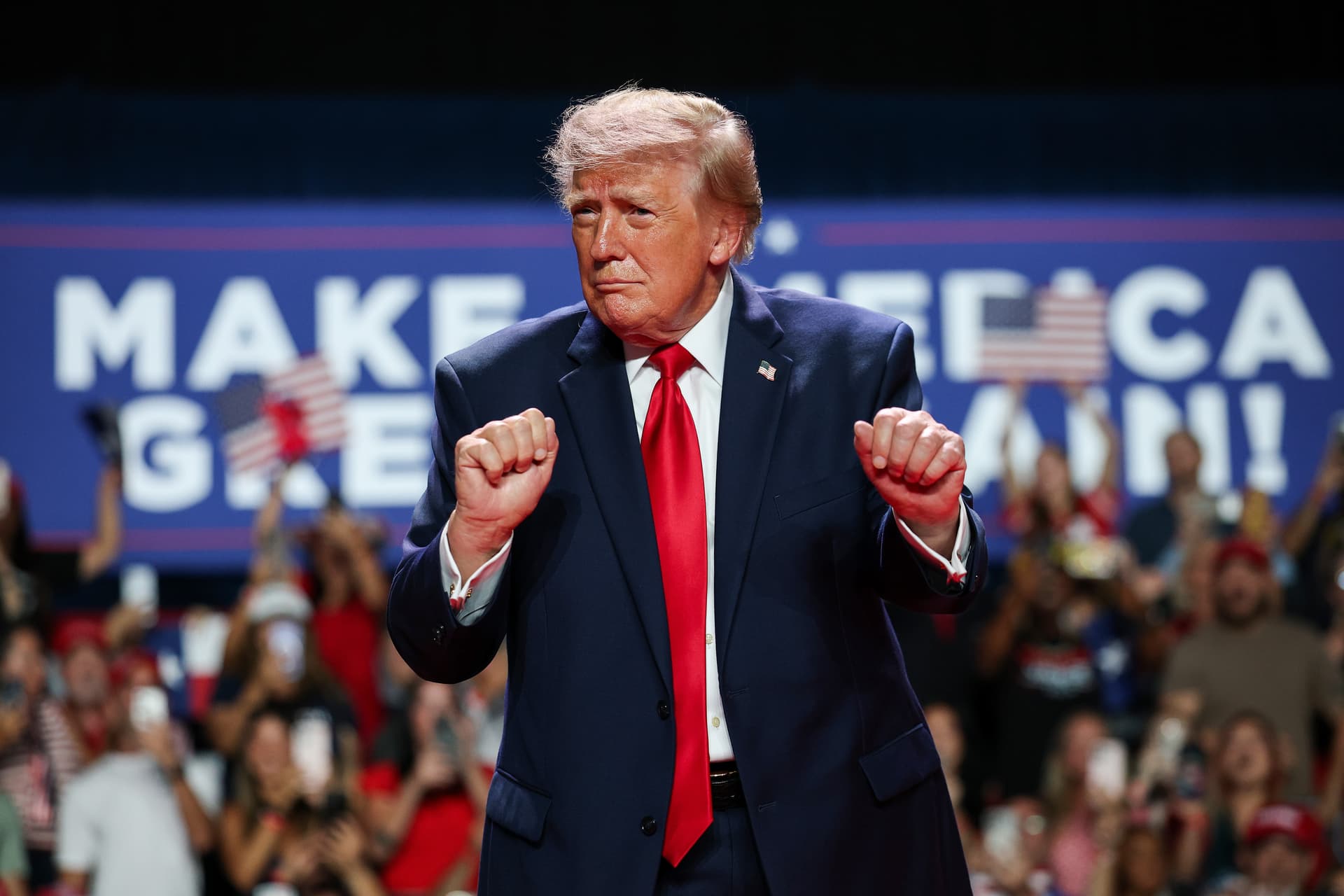
South Korea Close To Resolving Visas for Koreans Working in United States
Tight visa conditions could be waived at plants in Georgia, Texas, and Arizona, among other places.
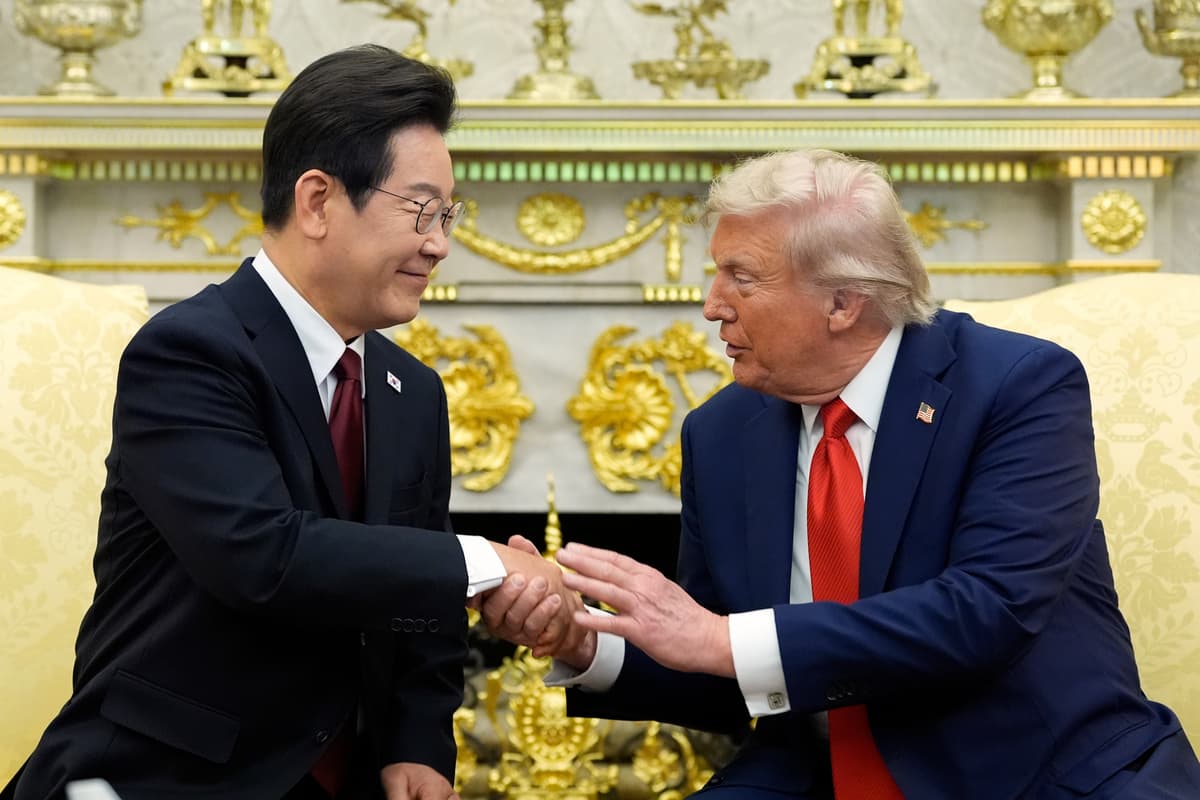
SEOUL — South Koreans go into their biggest holiday weekend of the year on the way to resolving two crucial problems besetting Korean-American relations — America’s commitment to defend Korea and the rights of Koreans to work on Korean construction projects across America.
On the eve of Friday’s Korean Thanksgiving holiday, or Chuseok, South Korea’s foreign minister, Cho Hyun, is hopeful American and Korean negotiators will agree on fresh terms under which America maintains forces in Korea. The majority of the 28,500 American troops now in the country are at a huge base 40 miles south of Seoul.
In an interview with Yonhap News, Mr. Cho hinted that South Korea may agree to increasing the amount that South Korea pays toward the costs of Camp Humphreys, America’s largest overseas base, as well as two crucial air bases and other smaller bases. Seoul pays Washington $1.1 billion a year, but President Trump during his first term demanded several times that amount.
South Korea is looking for a package deal, according to Yonhap, that would include “an easing of its rights to spent nuclear fuel reprocessing and uranium enrichment” needed for its nuclear power plants, which provide nearly a third of the country’s electricity. Also at stake are tariffs of 15 percent that Mr. Trump is imposing, along with demands that Seoul come up with $350 billion to fulfill its promise of investing in plants in America.
South Korean and American negotiators, though, are relieved by the deal under which Korean engineers and technicians may work at Korean plants in America, including the one in Georgia where more than 300 Koreans were rounded up last month.
LG Energy Solution, which had hired them, promised to “thoroughly prepare and work diligently to normalize the construction and operation of our factories in the United States.” American and Korean officials agreed on proper visas for the workers, who recently were handcuffed and jailed before being sent back to Korea.
South Koreans insist Korean expertise is needed to complete the Georgia plant, a $3.5 billion joint project between LG and Hyundai Motor, for manufacturing equipment for electrical vehicles that Hyundai will be making at another plant nearby.
American and South Korean diplomats agreed to waive tight visa conditions for Korean experts at not only the Georgia plants but also factories that Samsung Electronics and other Korean conglomerates are fabricating in Arizona, Texas, and elsewhere. Previously the Koreans had mostly held short-term visit visas.
The ruckus over the arrest of the Korean workers, though, leaves a bad taste with many of them. A noted Korean commentator and journalist, Shim Jae-hoon, quoted one worker saying, “We have had to have our meals next to a toilet stool.” Another complained that the Koreans had been “taken under gunpoint and then chained like big-time criminals.”
Koreans acknowledge, though, they are far from blameless. “We are all guilty of [breaking immigration laws] in the name of quick project implementation,” Mr. Shim quoted a construction worker as saying. “Worksite projects and deadlines,” Mr. Shim wrote in Asia Sentinel, “have often been used as an excuse.”
With the ruckus over the workers fading away, American and South Korean negotiators may come to terms on security before Mr. Trump and President Lee Jae-myung meet at the end of October at the gathering in Korea of the 21 leaders of member states of the Asia Pacific Economic Cooperation group.
Mr. Lee vows to increase the country’s defenses while pleading for dialogue with North Korea’s leader, Kim Jong-un. It’s unclear, however, what Messrs. Trump and Lee will say about reducing American troop levels. Worries are high here considering Mr. Kim’s close ties to President Vladimir Putin and China’s party boss, Xi Jinping.
The greatest drama surrounding Apec may be whether Mr. Trump meets Mr. Kim at the truce village of Panmunjom, where they held their third and last get-together in June 2019. No one imagines Mr. Kim will give up his nuclear program, but Mr. Cho said another Trump-Kim summit “could open a path toward easing tensions on the Korean Peninsula and building peace.”