Supreme Court Hears Arguments Over MAGA Congressman’s Mail-In Ballot Lawsuit

Allowing the case to move forward could open the gates for lawsuits challenging state election laws.

J. Scott Applewhite/AP
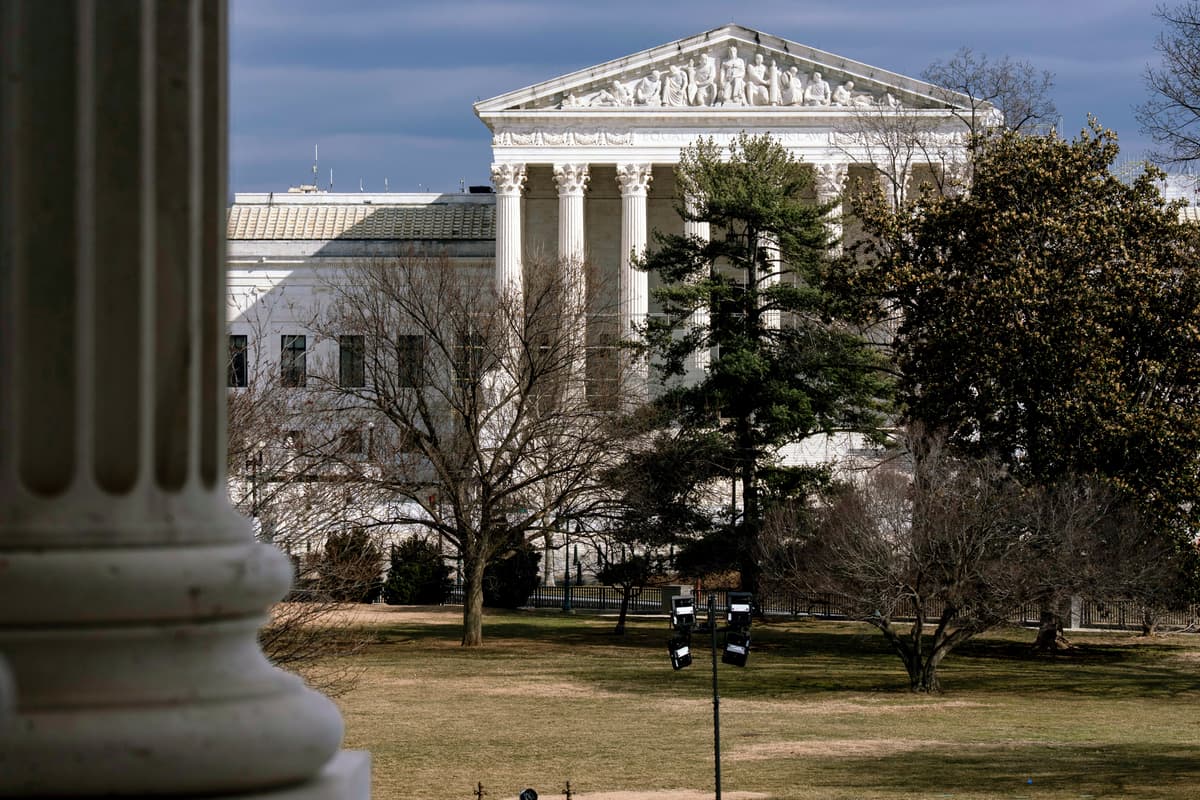
The Supreme Court is seen framed through columns of the U.S. Senate at Washington, D.C. J. Scott Applewhite/AP

Conservative Supreme Court justices on Wednesday appeared open to allowing a MAGA congressman to move forward with a lawsuit that seeks to prevent the counting of mail-in ballots that are received after Election Day.

Congressman Michael Bost claims that Illinois’s 14-day post-election ballot-receipt period constitutes an economic injury for him due to having to devote campaign resources to monitor ballot tabulation.

The United States Court of Appeals for the Seventh Circuit issued a split two-to-one ruling that Mr. Bost has no standing to sue over the 20-year-old state law because he failed to show any harm from the election. Mr. Bost won the race in connection to the suit by a three-to-one margin. Mr. Bost is asking the Supreme Court to overturn that decision and allow his suit to proceed.

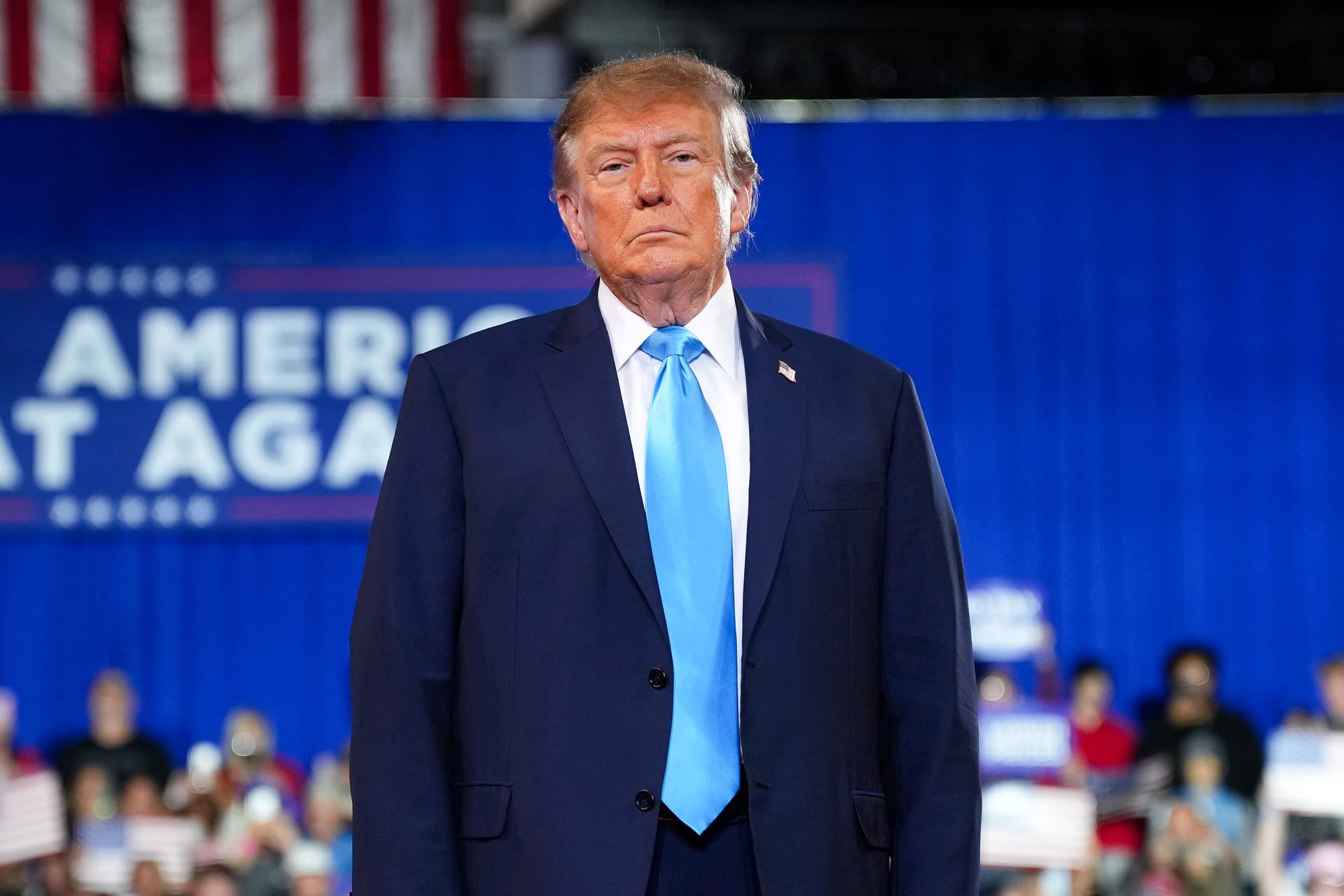
The lawsuit by Mr. Bost — a staunch ally of President Trump — is one of several looking to weaken mail-in voting laws. The suits stem from Mr. Trump’s 2020 election loss and attempts to overturn the election.

Mr. Trump has repeatedly argued against mail-in ballots and electronic voting machines. He says all votes should be hand-counted on Election Day and a winner declared.

The liberal justices seemed skeptical when questioning Mr. Bost’s attorney, Paul Clement.

Justice Sonia Sotomayor called the basis of the case “absurd.” 

Justice Elena Kagan called it “a suit in search of a problem.”

But several conservative Supreme Court justices seemed to lean toward allowing the suit to proceed.

After the Illinois solicitor general, Jane Notz, argued that Mr. Bost needed to prove the rules caused an election loss to show harm, Chief Justice Roberts worried that would leave courts having to decide whether a candidate had a chance to win an election to decide if they can file a lawsuit.

Justice Samuel Alito, while not criticizing the merits of the case, questioned the argument put forth by Mr. Clement, saying it could have been stronger.

“It’s not clear me why you couldn’t have done a lot better than you did in your complaint,” Justice Alito said. 

“We could have said more,” Mr. Clement acknowledged.

The American Civil Liberties Union says it strongly opposes Mr. Bost’s desire to block the counting of ballots after Election Day, but it joined the League of Women Voters and the Rutherford Institute in filing an amicus brief in support of Mr. Bost’s right to sue.

“Political candidates can experience such concrete injuries based on the diversion of campaign resources, and thus have standing to sue, in the same manner as nonprofit civic groups like the League of Women Voters have standing when they experience such diversion-of-resources-type economic injuries due to anti-voter laws that force them to alter their pre-existing activities,” the ACLU stated.

If the justices allow Mr. Bost’s suit to move forward it could open the floodgates for candidates to sue over election laws.


The New York Sun

© 2025 The New York Sun Company, LLC. All rights reserved.

Use of this site constitutes acceptance of our Terms of Use and Privacy Policy. The material on this site is protected by copyright law and may not be reproduced, distributed, transmitted, cached or otherwise used.

The New York Sun

Sign in or  create a free account

or
By continuing you agree to our Privacy Policy and Terms of Use