
The Big Question Behind the Tariffs Case
If Congress can’t delegate tariffs to the president, how can it delegate monetary policy to the Federal Reserve?
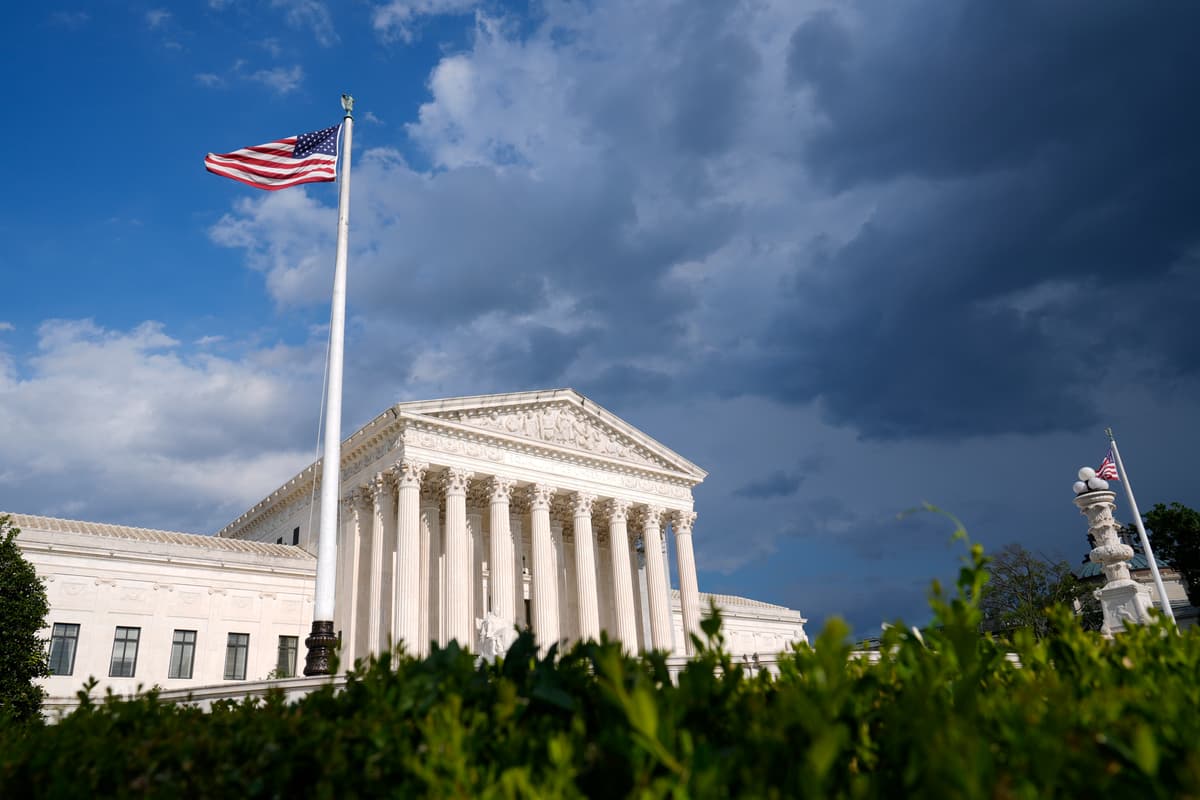
If the Supreme Court finds that President Trump overstepped by single-handedly deploying tariffs as a policy tool, could the Federal Reserve face constitutional scrutiny, too? The arguments yesterday at the high court, after all, centered on whether Congress can delegate a core constitutional power — “to lay and collect taxes, duties, imposts, and excises” — to the executive branch. If not, then how can Congress’ core monetary powers be handed to the Fed?
We don’t want to get ahead of our skis here. It’s far from certain that the Nine will find that Mr. Trump lacks the power to set his “Liberation Day” tariffs in line with statute. It was Chief Justice Roberts, after all, who had pulled a political rabbit out of a hat in the Obamacare case when he found that the law’s overreaching insurance mandate was a constitutional de facto tax. That, though, was a duly enacted law passed by Congress.
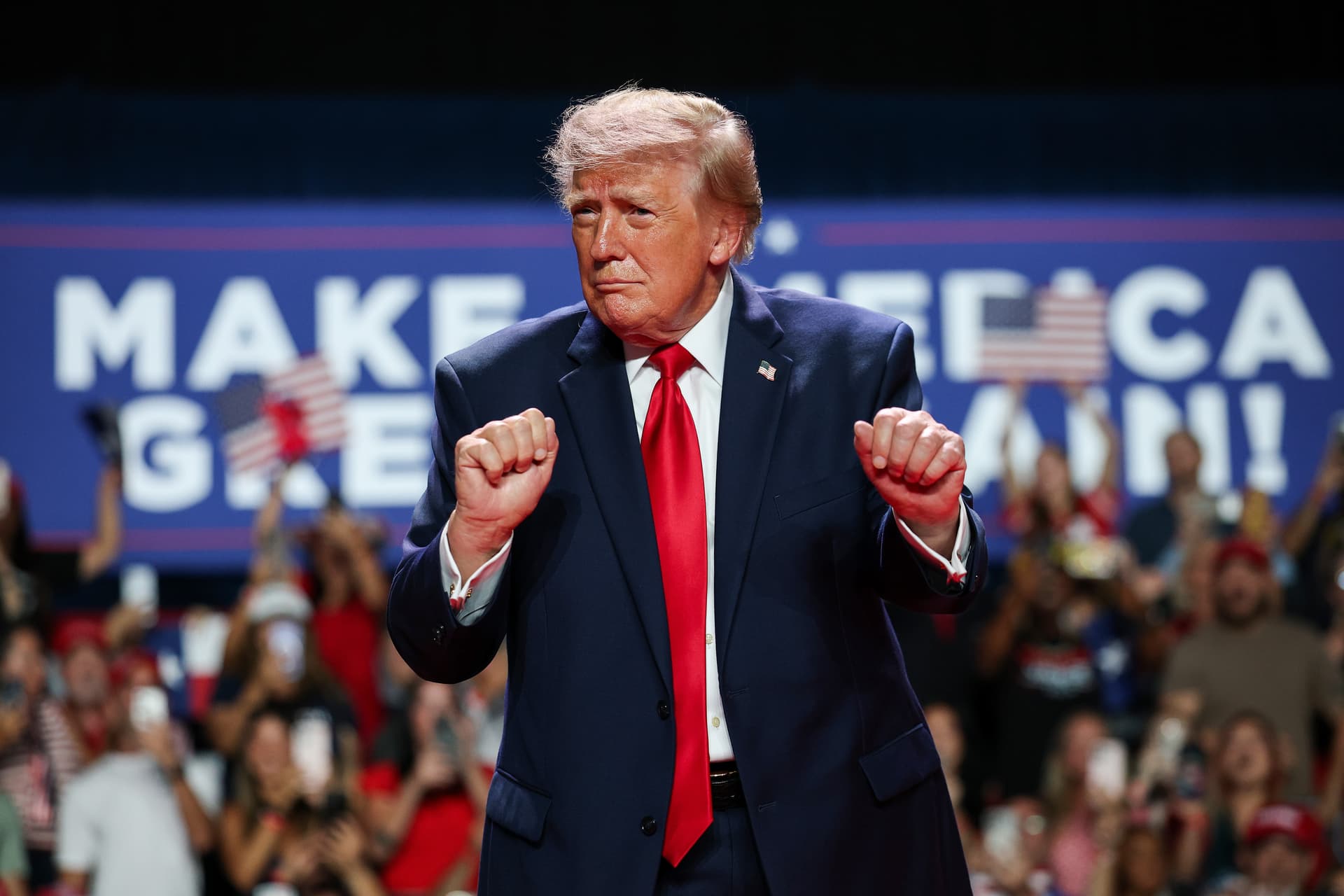
Mr. Trump cites the authority given to him by Congress in the International Emergency Economic Powers Act to “regulate” trade. The solicitor general, John Sauer, averred that the president’s authority over foreign policy bolsters his power to set the levies. Justice Brett Kavanaugh nodded to that argument, expressing wariness about voiding the tariffs since they are being used, say, in the case of India, “to help settle the Russia-Ukraine war.”
Yet even the high court’s conservatives seemed skeptical. Chief Justice Roberts conceded the president’s powers as far as “dealings with foreign powers.” Yet “the vehicle is imposition of taxes,” the chief added, “and that has always been the core power of Congress.” Justice Neil Gorsuch, too, zeroed in on this constitutional conundrum. “Could Congress delegate to the President the power to regulate commerce with foreign nations as he sees fit?” he asked.
General Sauer denied Mr. Trump sought such broad authority, saying the emergency powers law was limited. “I’m not asking about the statute,” Justice Gorsuch replied. “I’m asking for your theory of the Constitution.” After all, if the president has “inherent authority” over tariffs — an Article I power — “what would prohibit Congress from just abdicating all responsibility to regulate foreign commerce, for that matter, declare war, to the President?”
In reply to this poser, General Sauer appeared unable to provide a constitutional rationale, leading Justice Gorsuch to observe that Mr. Trump’s lawyer had “retreated” from his most sweeping claims of presidential authority to wield a power granted by the Framers to Congress. “You’ve backed off that position,” Justice Gorsuch said. “Maybe that’s fair to say,” General Sauer replied, at which point the hearing’s transcript records “laughter” in the courtroom.
The tariff debate has revived what sages call the “nondelegation doctrine.” That’s the idea, largely in abeyance since the New Deal, that if Congress tries to cede its powers to the executive branch, it breaches the Constitution. Justice Samuel Alito asked a lawyer opposing the tariffs, Neal Katyal, if he had ever imagined his “legacy as a constitutional advocate would be the man who revived the nondelegation argument.” Mr. Katyal replied: “Heck yeah.”
Which brings us back to the Fed. The Constitution gives Congress 100 percent of the government’s monetary powers — to, say, “borrow money on the credit of the United States,” and “to coin money, regulate the value thereof, and of foreign coin.” So where did the legislators get the idea, in 1913, to abdicate Congress’ authority on this head to the Fed, an executive agency? If the Nine rules against “Liberation Day” tariffs, could the Fed be next?