The Blue Dog Who Barked: Joe Manchin Declares Independence, Completing the Extinction of the Species Known as Blue Dog Democrats
Two-term Democratic senator of West Virginia was the last moderate of his party in the Upper Chamber.
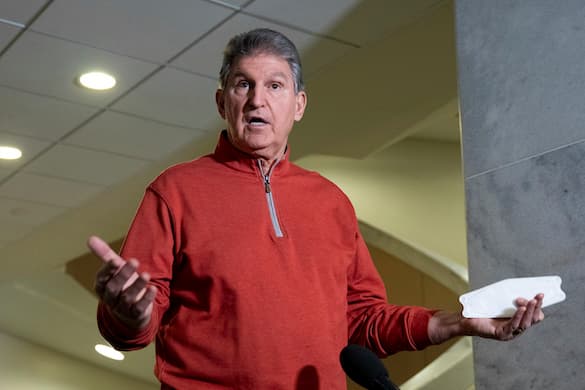

Senator Manchin, the two-term Democrat of West Virginia, is declaring himself an independent. The last moderate voice for his party in the upper house of Congress, his declaration completes Capitol Hillâs devolution into left-and-right factions that undermine chances of consensus and compromise.
Mr. Manchin, in his statement yesterday, said that since entering public service in 1982, he has âalways focused on doing whatâs best for my state and my country, without regard to party or politics.â He expressed pride in a âcommitment to common sense, bipartisanshipâ and a âdesire to bring people together.â
âI have never seen America through a partisan lens,â Mr. Manchin insisted, but he lamented observing a shift since entering the Senate in 2010. He described Republicans and Democrats as drifting to âpartisan extremism while jeopardizing our democracy.â
âToday,â Mr. Manchin said, âour national politics are broken, and neither party is willing to compromise to find common ground. To stay true to myself and remain committed to put country before party, I have decided to register as an independent with no party affiliation and continue to fight for Americaâs sensible majority.â
Mr. Manchin will still caucus with Democrats. So his declaration wonât change the balance of power in the Senate, leaving his former party with a one-vote majority. For his loyalty, heâll remain chairman of the Energy and Natural Resources Committee.
Along with another Democrat-turned-independent, Senator Sinema of Arizona, Mr. Manchin had bucked his partyâs attempts to end the filibuster. With both gone next year, should Democrats maintain control of the chamber, a safeguard of rights for the minority â one that forced compromise â would be without defenders.
The Founders designed the Senate to be less vulnerable to passing political passions. Senators serve six years, long enough for heated debates of the present to cool. Members of the House, though, are elected every two years and so are more reflective of the zeitgeist, and it was there that the nationâs drift into partisanship began to appear.
In February of last year, I wrote in these columns about the House Blue Dog Coalition of moderate-to-conservative Democrats. It was formed in 1995. At its peak in 2007, it represented 20 percent of the Democratic caucus. After the 2022 elections, it had shrunk to just seven members or three percent.
âPartisanship,â I wrote, âhas rendered compromise and consensus things of the past on Capitol Hill. A few Blue Dogs will still roam the halls of Congress for the next few years seeking pats on the head from the GOP, but with their diminished numbers, the Democratic Partyâs ascendent left needs no longer fear their bite.â
Now, Mr. Manchinâs growling about his partyâs left-wing impulses on issues from spending and regulations to the filibuster and foreign policy has fallen silent, too. He will finish out his term in January when itâs a near certainty that West Virginia will choose a Republican to replace him.
Thursday on X, Governor Justice of West Virginia, the Republican nominee for Mr. Manchinâs seat, wrote that the âguilty verdict against President Trump is a deeply troubling and politicized decision that undermines the principles of justice,â signaling how heâll vote in the Senate.
If Mr. Justice wins and becomes another staunch voice for his partyâs prevailing positions, he would have plenty of company on both sides of the aisle. The press wouldnât seek him out as it does Mr. Manchin, and the public would know where he stands on a given issue without asking.
The result of the partisan realignment in Congress has been fewer congressional seats in play. In 2022, the reelection rate for House incumbents was 94.5 percent. In the Senate, it was a clean sweep. These victories were helped by hard stances that inspire voters in ways promises of moderation and compromise donât.
Mr. Manchin will still be a voice to harry the conscience of his former party. Yet his departure will leave a more partisan Capitol Hill, where no Blue Dogs bark, and President Hayesâ advice, âHe serves his party best who serves his country best,â is seen as a quaint relic of better days in government.