Three Former Presidents Who Ran With Third Parties Foreshadow a Funeral for Musk’s ‘America’

The nation has enough disruption and chaos with the ‘radical-left Democrats,’ Trump warns.
AP/Jeffrey Phelps
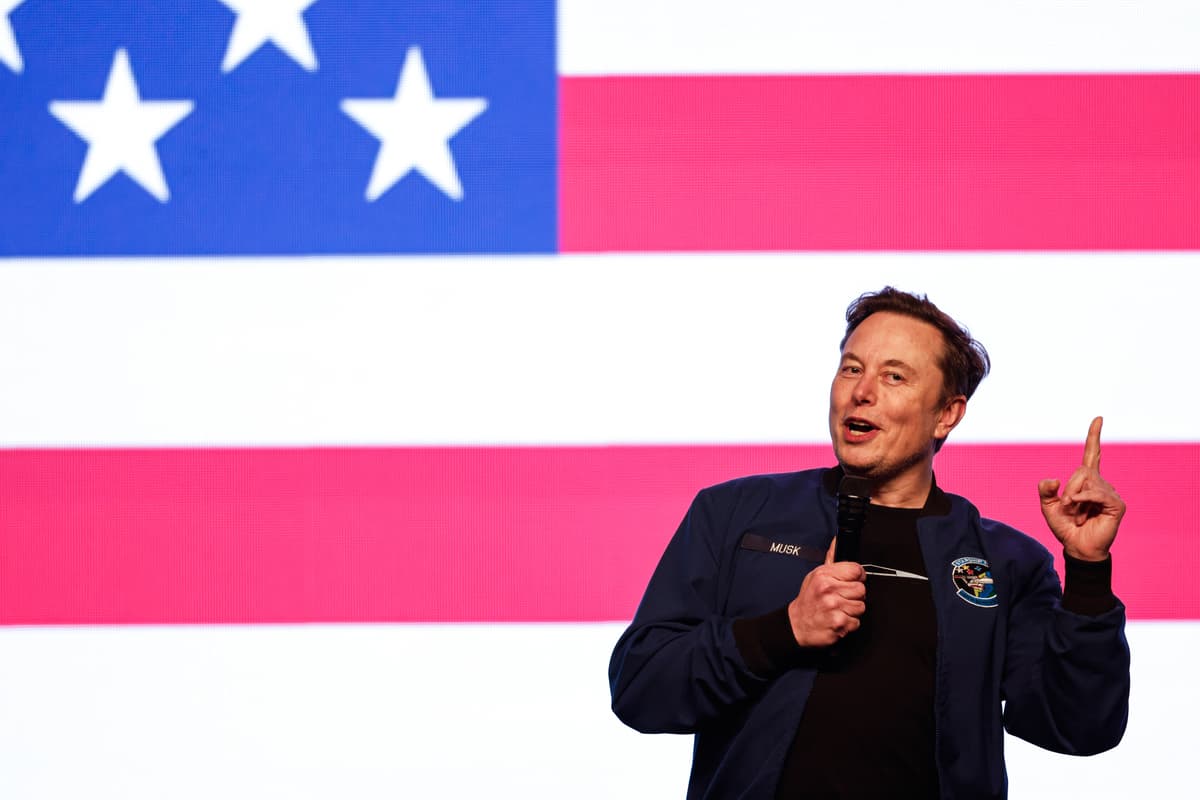
Elon Musk speaks at a town hall on March 30, 2025, at Green Bay. AP/Jeffrey Phelps

The “one-party system” is “bankrupting our country,” says Elon Musk, in launching the America Party. He announced it on X.  Facing an uphill climb against the establishment’s machines, his best-case scenario is to achieve what three former presidents did in forcing the establishment to address their issues. 

In a Truth Social post on Sunday, President Trump said that “third parties “have never succeeded” and that “the system seems not designed for” them. He wrote the “one thing” they’re “good for” is “the creation of complete and total disruption & chaos, and we have enough of that with the radical-left Democrats.” 

It was an evaluation supported by past third-party efforts which also fell victim to messages that stoked partisan loyalty. A fellow tech billionaire, H. Ross Perot, faced the same counter-messaging when he started the Reform Party in the 1990s. 

Perot won 18.9 percent of the popular vote for president in 1992 and 8.4 percent in 1996. Mr. Musk, a naturalized citizen ineligible for the presidency, tweeted on Independence Day that he’ll “laser-focus on just 2 or 3 Senate seats and 8 to 10 House districts.”

perot
Industrialist Ross Perot, who ran for President on his Reform Party ticket in 1992 and won nineteen percent of the vote but no electoral votes. MPI/Getty Images

Mr. Musk sees America Party legislators being “the deciding vote on contentious laws, ensuring that they serve the true will of the people.” Even if elected, though, they would have to caucus with one of the Big Two or be shut out of powerful committees — a point sure to be made by their opponents.

As the Reform Party learned, even getting on the ballot isn’t easy. Republicans and Democrats already have infrastructure in all 50 states. They control the local levers of power and use them to preserve their monopoly. That’s one reason Reform candidates never won any federal elections. 

Perot’s 1992 total was the best for a third-party candidate since 1912, when President Theodore Roosevelt won 27.4 percent. Four years after leaving office, when the GOP renominated President Taft over him, TR formed the Bull Moose or Progressive Party. 

The only question between Rooesvelt and Taft, Senator DePew of New York said, was “which corpse gets the most flowers.” President Wilson, a Democrat, prevailed. Both parties set out to attract Bull Moosers, just as they’d do later to sap away Reform Party support. 

TR
President Theodore Roosevelt, left, on the hustings in 1912. Bain News Service via Wikimedia Commons

In “Theodore Roosevelt: A Life,” Nathan Miller wrote that, “gnashing his teeth,” Roosevelt was “forced to … watch as Wilson stole much of the Progressive Platform of 1912.” Issues included banking reform, reducing tariffs, busting up trusts, child-labor regulations, and workmen’s compensation laws. 

The Progressives ran 138 House candidates in 1914 and elected five. Because the slate included women, Republicans began warming to suffrage. Bull Moosers skipped congressional and gubernatorial races in 1918 and the White House contest in 1920. Their last presidential candidate, Senator La Follette, won 16.6 percent in 1924.

By 1927, the Bull Moose Party was dead, and most of its members reverted to the Republicans. The Free Soil Party met the same fate after nominating President Van Buren to head its national ticket in 1848, seven years after his term. His 10.1 percent was the best showing of a third-party candidate up to that point.

Although Van Buren opposed Democrats on slavery, he rejoined them, not wanting to split the vote and elect a Whig as the Taft-Roosevelt schism would Wilson. The GOP, which formed in 1854, went on to adopt the main Free Soiler issue: Stopping slavery’s expansion.

Fremont
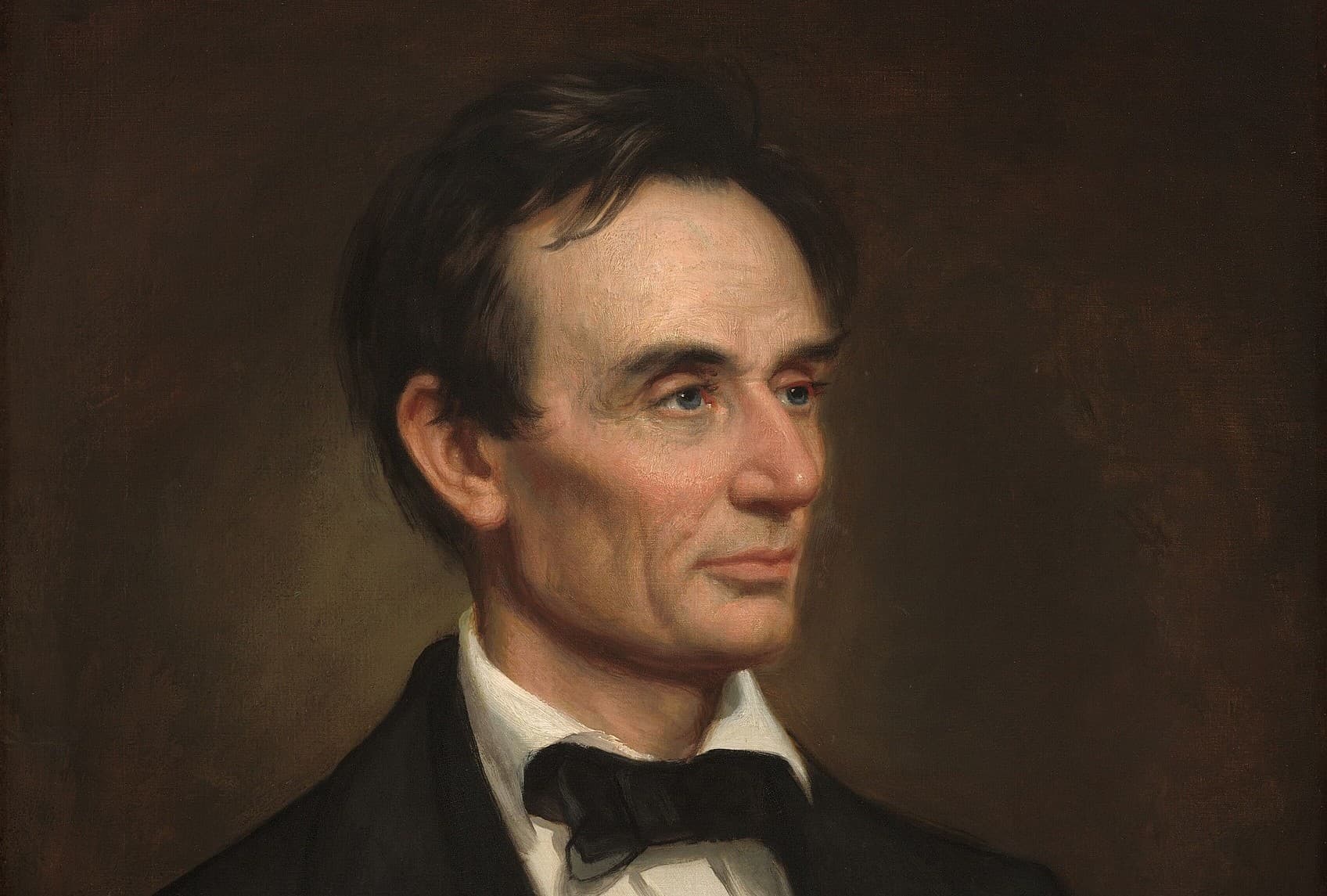
Charles Loring Elliott’s portrait of General John Charles Fremont, ‘The Pathfinder,’ the first GOP presidential nominee. Brooklyn Museum via Wikimedia Commons

President Fillmore accepted the nomination of the American Party in 1856, three years after serving in the White House as a Whig. He won 21.5 percent of the vote but lost to the Republican nominee, Major General John Charles Fremont, known as “The Pathfinder” for his Western explorations, and President Buchanan, a Democrat. 

As Buchanan prepared to take office, he pondered what Fillmore’s voters wanted so he could gain their support. Republicans are already addressing Mr. Musk’s complaints about the spiraling national debt. He’s just starting the long, difficult process of creating his alternative.

Mr. Musk often cites polls showing that voters want a third option on the ballot, but that doesn’t mean they’ll choose his. Expect the America Party to be the latest upstart to make an electoral splash thanks to a big name, only to end up with both Republicans and Democrats laying flowers on its grave.


The New York Sun

© 2025 The New York Sun Company, LLC. All rights reserved.

Use of this site constitutes acceptance of our Terms of Use and Privacy Policy. The material on this site is protected by copyright law and may not be reproduced, distributed, transmitted, cached or otherwise used.

The New York Sun

Sign in or  create a free account

or
By continuing you agree to our Privacy Policy and Terms of Use