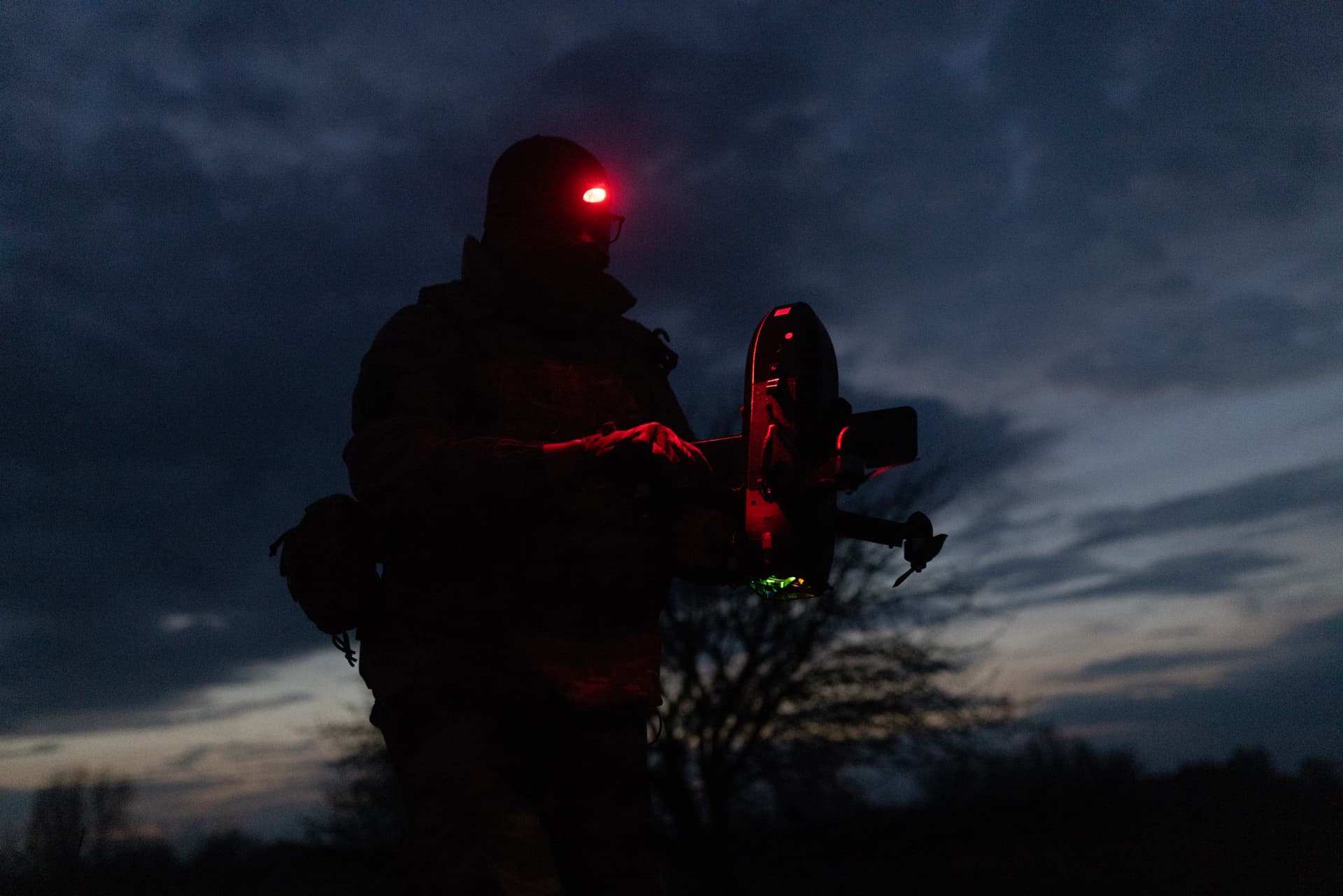

Through August, New Yorkers Will Get a Chance to See Kubrick’s ‘2001: A Space Odyssey’ as It Needs To Be Seen — at a Movie Theater
The Museum of the Moving Image is presenting the film, regularly extolled as one of the greatest movies extant, as part of its annual summer series, ‘See It Big: 70MM.’
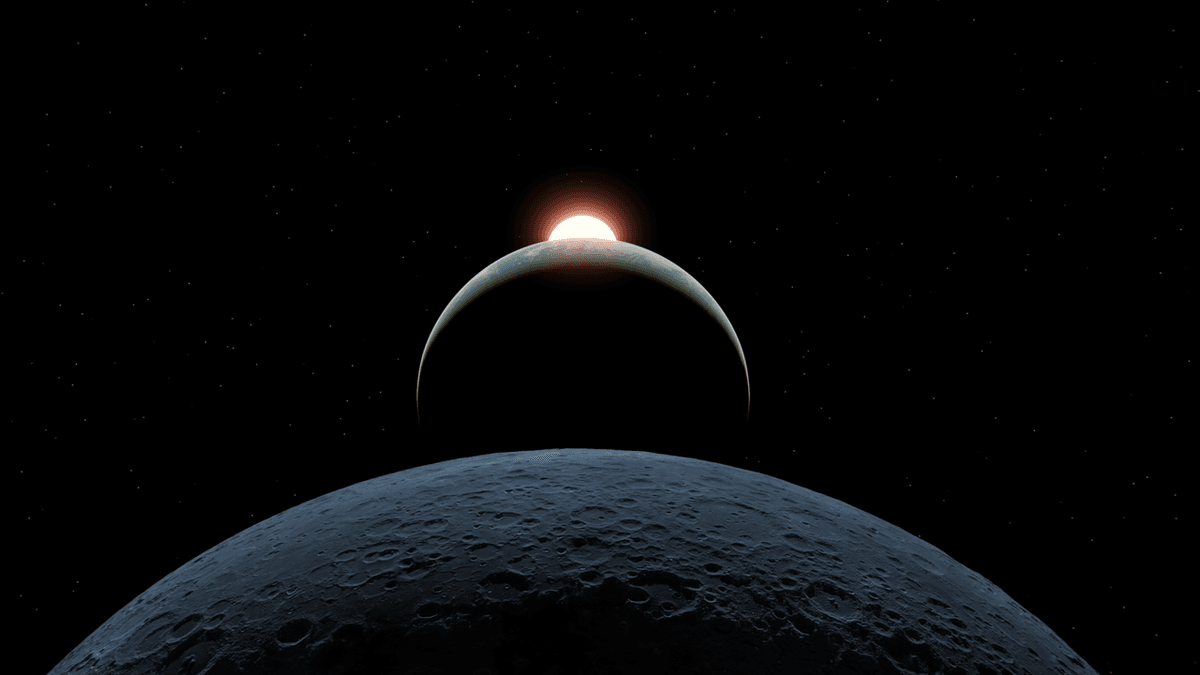
How many cinematic milestones have at their foundation bangers sizzling on a hot skillet? “As I stood by the frying pan waiting, like any terrestrial housewife, for the sausages to brown, I let my gaze wander idly over the mountain walls which covered the whole of the southern horizon, marching out of sight to east and west below the curve of the Moon.”
The quote is from “The Sentinel,” a 1951 short story by Arthur C. Clarke that is, like many a science fiction opus, a morality tale draped in the guise of uncharted realms, alien life forms, and high-tech wizardry. Clarke’s story takes place in the far flung future of “late summer of 1996,” when our unnamed narrator notices a keening strip of light on the distant horizon. The form on which it rebounds is unlike the textures of the surrounding landscape.
Those sausages? Burnt beyond salvation as our hero and a colleague, driven by curiosity, head off to an adventure in which they discover “a glittering, roughly pyramidal structure, twice as high as a man, that was set in the rock like a gigantic, many-faceted jewel.” Cue “Thus Spoke Zarathustra” by Richard Strauss, the German conductor and composer. From a suitably dire six-page short story arose a two-and-a-quarter-hour albatross of a movie, Stanley Kubrick’s “2001: A Space Odyssey” (1968).
Is “albatross” the mot juste for Kubrick’s otherworldly saga? Originally clocking in at 161 minutes, “2001” proved challenging for cinema-goers at the time of its release. The film’s lead actor, Keir Dullea, reported that it caused an exodus of some 250 people from the New York City premiere. At the West Coast showing, matinee idol Rock Hudson stomped out early and posed the question: “What is this bulls—?” Critics weren’t much kinder, nor were Kubrick’s peers. The Russian filmmaker Andrei Tarkovsky stated that “2001” was “phony … a lifeless schema with only pretensions to truth.”
For those of us who have suffered through “Stalker” (1979), a picture viewed by some as Tarkovsky’s response to “2001,” these comments come off as mighty rich. New Yorkers soon will have the opportunity to reconsider Kubrick’s “surreal masterwork” where it needs to be seen — that is to say, at a movie theater.

Beginning this Thursday and continuing through August, the Museum of the Moving Image will be presenting “2001: A Space Odyssey” as part of its annual summer series, “See It Big: 70 MM.” Other films on the docket include “North By Northwest” (1959), as well as “Top Gun” (1986) and “Days of Thunder” (1990), the latter of which are components of a concurrent program, “Tom Cruise, Above and Beyond.”
The casual movie-goer will likely be more inclined to attend the Cruise films: Although “2001” has gained in status over the years — it’s regularly extolled as one of the greatest movies extant — the film’s reputation persists as being a duty rather than a pleasure. As such, it’s long been advocated as a movie that requires recreational intervention.
MGM saw the truth of the matter early on and began selling “2001” as a stoner movie, “the ultimate trip.” Segments of the film can be timed to synchronize with one’s narcotic of choice — or, at least, that’s what one den of drug-addled iniquity, the New Yorker, has seen fit to recommend.
This or that drug will likely seem less pressing for contemporary viewers of “2001” than its take on artificial intelligence. The trepidation many of us have about this seemingly unstoppable phenomenon is summed up by the picture’s most indelible character, the heuristically programmed algorithmic computer commonly known as HAL. According to the Internet Movie DataBase, Hal is feared by more movie-goers than Bruce the shark, Dracula, and Joan Crawford — at least, as she was portrayed by Faye Dunaway in “Mommie Dearest” (1981).
Fiction is different from fact, but anyone who has ever puzzled over the seemingly autonomous nature of a cellphone or felt compelled to throw an uncooperative laptop out the window can’t help but wonder just how far technology will test human mettle. HAL avers that no “computer has ever made a mistake or distorted information. We are all, by any practical definition of the words, foolproof and incapable of error.” Uh-huh, right. “2001: A Space Odyssey” is considerably more overweening than the humble story on which it was based, but its status as an admonition remains intact.