Trump Administration Rejects New Rules Giving World Health Organization ‘Unprecedented Power’

RFK Jr. says the policy ‘lays the groundwork for global medical surveillance over every human being.’
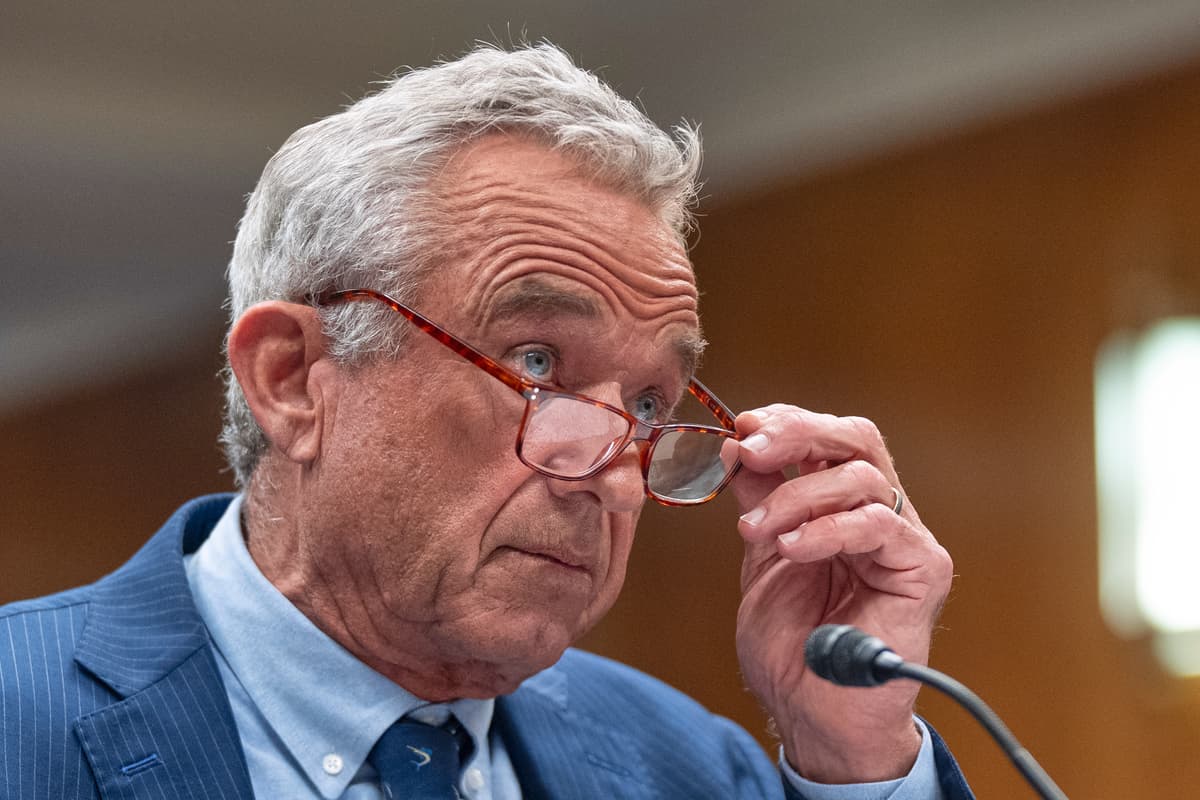

AP/Manuel Balce Ceneta
Health and Human Services Secretary Robert F. Kennedy Jr. on Capitol Hill on May 22, 2025. AP/Manuel Balce Ceneta

The United States is rejecting changes to international health regulations the Trump administration says could lead to the World Health Organization ordering global lockdowns and surveillance of every human’s private health data.

The health and human services secretary, Robert F. Kennedy Jr., and the secretary of state, Marco Rubio, issued a formal rejection on Friday of amendments to the International Health Regulations. They say the rules give the agency unprecedented power and international bureaucrats should not be able to dictate America’s domestic policy.

Along with potential lockdowns, the rules would authorize the international body to impose travel restrictions or other measures it sees fit to respond to what the Trump administration calls “nebulous potential public health risks.”

The regulations would become binding if not rejected by tomorrow, regardless of the United States’s withdrawal from the WHO.

“The proposed amendments to the International Health Regulations open the door to the kind of narrative management, propaganda, and censorship that we saw during the Covid pandemic,” Mr. Kennedy says. “The United States can cooperate with other nations without jeopardizing our civil liberties, without undermining our Constitution, and without ceding away America’s treasured sovereignty.”

The WHO claims the rules do not interfere with any country’s sovereignty and give it no power to restrict travel or impose lockdown restrictions.

But the Trump administration doesn’t see it that way and says the new rules were formulated through a rushed process lacking sufficient debate and public input.  

“Terminology throughout the amendments to the 2024 International Health Regulations is vague and broad, risking WHO-coordinated international responses that focus on political issues like solidarity, rather than rapid and effective actions,” Secretary Rubio says.

The administration also says rules could limit American access to medical supplies because it would allow the WHO to provide “equitable access” to those items in a health emergency. 

Another concern is personal privacy involving a new requirement to push countries to adopt digital health documents and vaccine passports, with all of the data being compiled in a global database.

“It lays the groundwork for global medical surveillance over every human being,” Mr. Kennedy warns. 

On his first day back in the White House, President Trump signed an executive order to begin a year-long process to withdraw America from the WHO, saying the organization bungled the Covid pandemic. 

There are also concerns about China’s influence over the organization. Critics say it allowed Beijing to withhold critical information during the pandemic.

America has been the biggest donor to the WHO and has previously provided a significant portion of the group’s funding. Part of the cuts to foreign aid that Congress passed this week includes eliminating funding for the WHO.


The New York Sun

© 2025 The New York Sun Company, LLC. All rights reserved.

Use of this site constitutes acceptance of our Terms of Use and Privacy Policy. The material on this site is protected by copyright law and may not be reproduced, distributed, transmitted, cached or otherwise used.

The New York Sun

Sign in or  create a free account

or
By continuing you agree to our Privacy Policy and Terms of Use