Trump, Bankrolling Three Mile Island Restart, Tests If Hunger for Energy Outweighs Atomic Fears

With the power demands of AI technology growing, atomic energy is getting a fresh look.
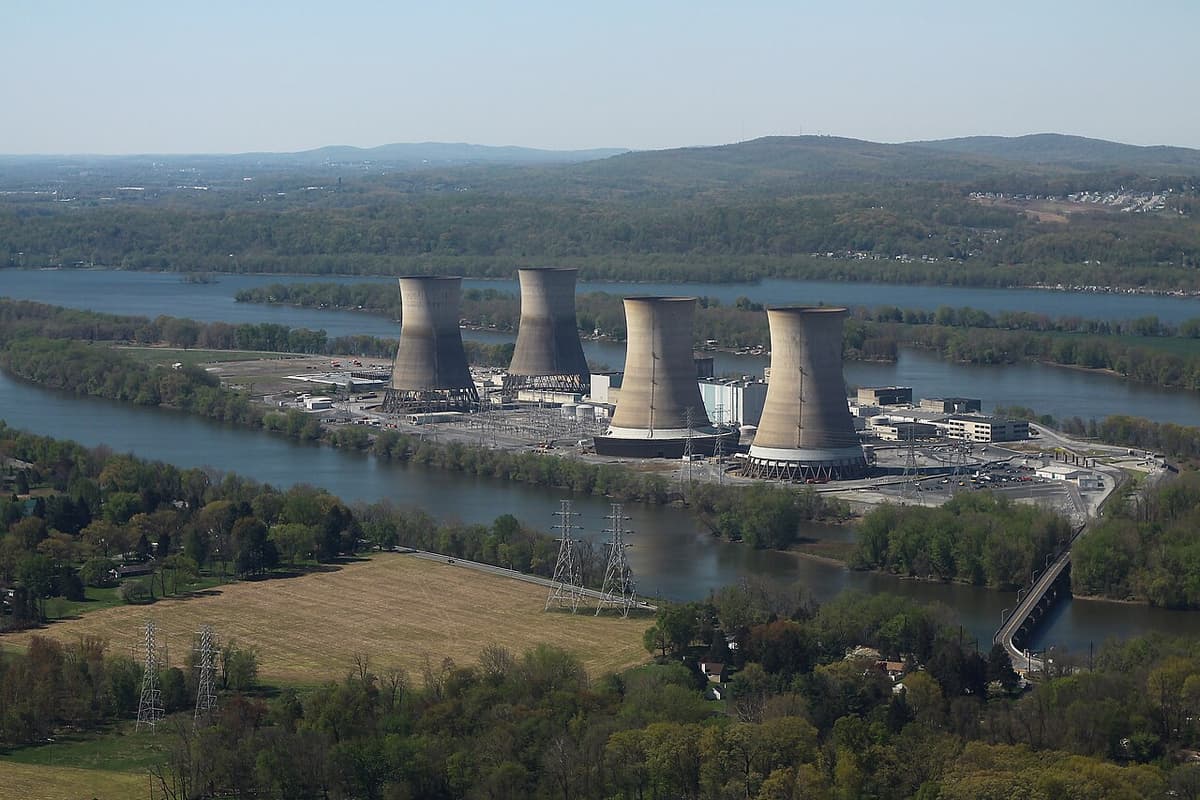
Formulanone via Wikimedia Commons CC2.0
Three Mile Island Nuclear Generating Station near Middletown, Pennsylvania. Formulanone via Wikimedia Commons CC2.0

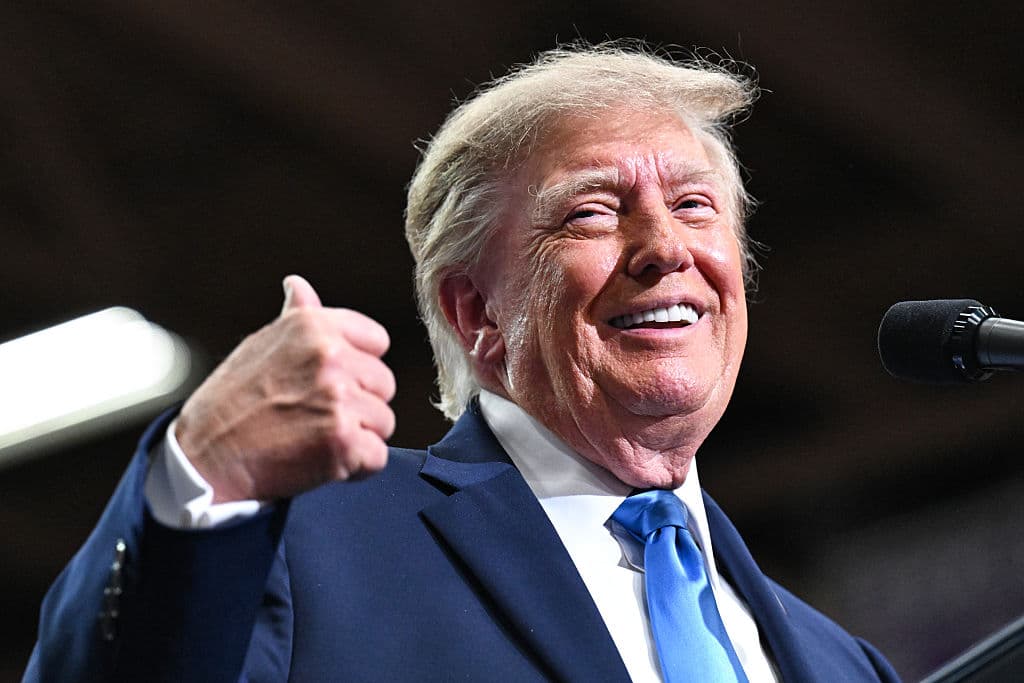
Pennsylvania’s Three Mile Island nuclear facility is going back online, helped by a $1 billion loan from President Trump. By firing up Unit 1 at the site of the infamous 1979 accident, the Constellation Energy Corp will pit America’s hunger for electricity against fears and paranoias of the Nuclear Age. 

The power demands of AI technology are growing; with coal and petroleum falling out of favor, atomic energy is getting a fresh look. In September 2024, Constellation agreed to restart the 835-megawatt reactor to feed a Microsoft data center in the heart of the fifth most populous state.

“This type of energy,” the director of the Energy Department’s Loan Programs Office, Greg Beard, told reporters on Tuesday, “is important.” Constellation’s move, he said, will “show support for affordable, reliable, stable, secure energy in the U.S., as directed by” Mr. Trump.

Unit 1 was in service until 2019 and Constellation has rebranded it the Crane Clean Energy Center. Unit 2, where the partial meltdown occurred, was decommissioned after what a historical marker at the site calls “the nation’s worst commercial nuclear accident.” Yet “worst” is relative.

The author of “Midnight in Chernobyl,” Adam Higginbotham, gave this columnist perspective on Three Mile Island in our History Author Show interview. News of the event “was censored inside the USSR,” he said, “for fear it could tarnish the ostensibly spotless record of the peaceful atom,” and cause uncomfortable fallout for the regime.

The Kremlin had “a whole chain of accidents,” Mr. Higginbotham said, all of them “successfully covered up.” The worst occurred in 1957 when waste from a plutonium-processing plant exploded near Kyshtym, Russia. Over 10,000 residents were told to leave without explanation; the city of Ozersk was sealed, its fate unknown until the USSR fell.

“The history of the Soviet Union,” Mr. Higgenbotham said of Chernobyl’s failures in 1986, “shows us that generally human life was regarded as a pretty cheap commodity.” American designs and protocols prioritize safety, as do Japan’s. An earthquake and tsunami caused 2011’s Fukushima disaster but resulted in just a single fatality — years later from cancer.

The redundant safety features built into America’s atomic infrastructure were demonstrated when a B-52 bomber broke apart over North Carolina in 1961. A parachute guided one of two nuclear bombs onboard to the ground. The second’s parachute failed, as did five other fail-safes. A sixth prevented detonation.

“Facts,” as President John Adams said, “are stubborn things,” but fiction can be just as ornery. “The China Syndrome,” portraying a nuclear meltdown, happened to be in theaters when the alarms began sounding at Three Mile Island. This coincidence resulted in the Mandela Effect: A collective misremembering.

Conflict between local and federal authorities over whether to evacuate after Three Mile Island created a fog of confusion that trickled down to the press. Reporting was contaminated with inaccuracies and sensationalism, including a debunked report in Time of two deaths.

The New York Times quoted anti-nuclear activists in 2004 who alleged that the leak “will cause cancer deaths” someday. BBC News quoted foes including the star of “The China Syndrome,” Jane Fonda, in 2009 who described the accident as “deadly.” Lacking bodies, they alleged a government conspiracy and coverup.

Unlike Kyshtym or Chernobyl, nobody was killed or even made ill at Three Mile Island when “radiation was released,” as the commemorative plaque recounts, and “part of the nuclear core was damaged.” According to the federal Nuclear Regulatory Commission, those nearest to the site were exposed to about one millirem of radiation.

Americans ingest about 1.5 millirems from each dental X-ray, and, on average, absorb 300 to 360 millirems per year from nature according to the MIT Radiation Protection Office. At Denver, due to elevation and geography, the dose can reach up to 600 millirems.

Bringing Unit 1 back online is a test for the nuclear industry. Either it has regained the public trust it lost after Three Mile Island or the fears it unleashed will leave Americans searching for other ways to power their digital future — ways that avoid the danger of Hollywood-scale disasters by not requiring fail-safes at all.


The New York Sun

© 2025 The New York Sun Company, LLC. All rights reserved.

Use of this site constitutes acceptance of our Terms of Use and Privacy Policy. The material on this site is protected by copyright law and may not be reproduced, distributed, transmitted, cached or otherwise used.

The New York Sun

Sign in or  create a free account

or
By continuing you agree to our Privacy Policy and Terms of Use