Trump Brushes Off Indiana Redistricting Loss Even as Allies Promised a Scorched-Earth Revenge Campaign
‘I wasn’t working on it very hard,’ the president says.
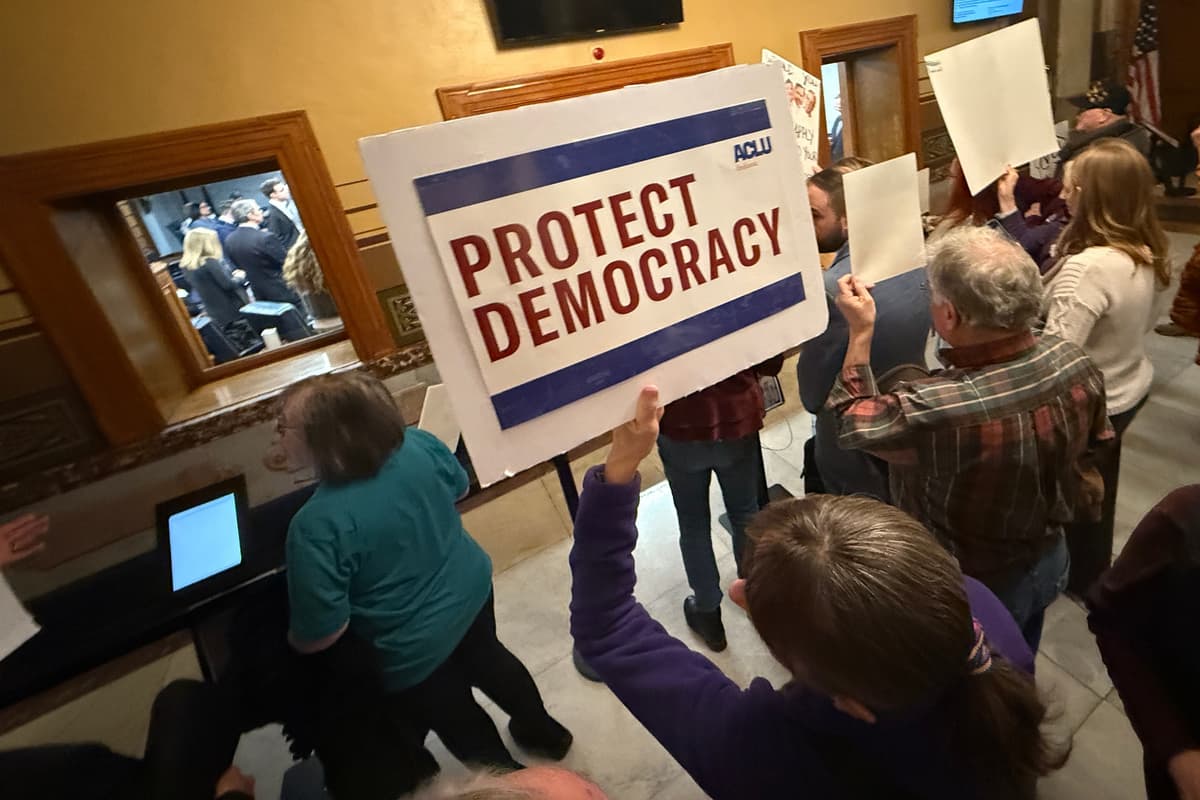
President Trump is brushing off the resounding defeat on Thursday afternoon that saw a supermajority of the Republican-controlled Indiana state senate reject his push for redistricting. He had hoped that he could eliminate two Democratic seats in the U.S. House of Representatives, though now he says he “wasn’t working on it very hard.”
Mr. Trump has for months publicly pressured both the leadership and the rank-and-file members of the Indiana senate to help him pad his razor-thin majority in the House. Based on Democratic overperformances in special elections this year, coupled with other factors, many believe the GOP is destined to lose the House come November.
Indiana state senators voted down the gerrymandered congressional maps by a margin of 31 to 19 on Thursday afternoon, with a majority of Republican lawmakers voting no on the measure. In total, ten Democrats and 21 Republicans did not go along with the president’s plans, while only 19 Republicans voted yes.
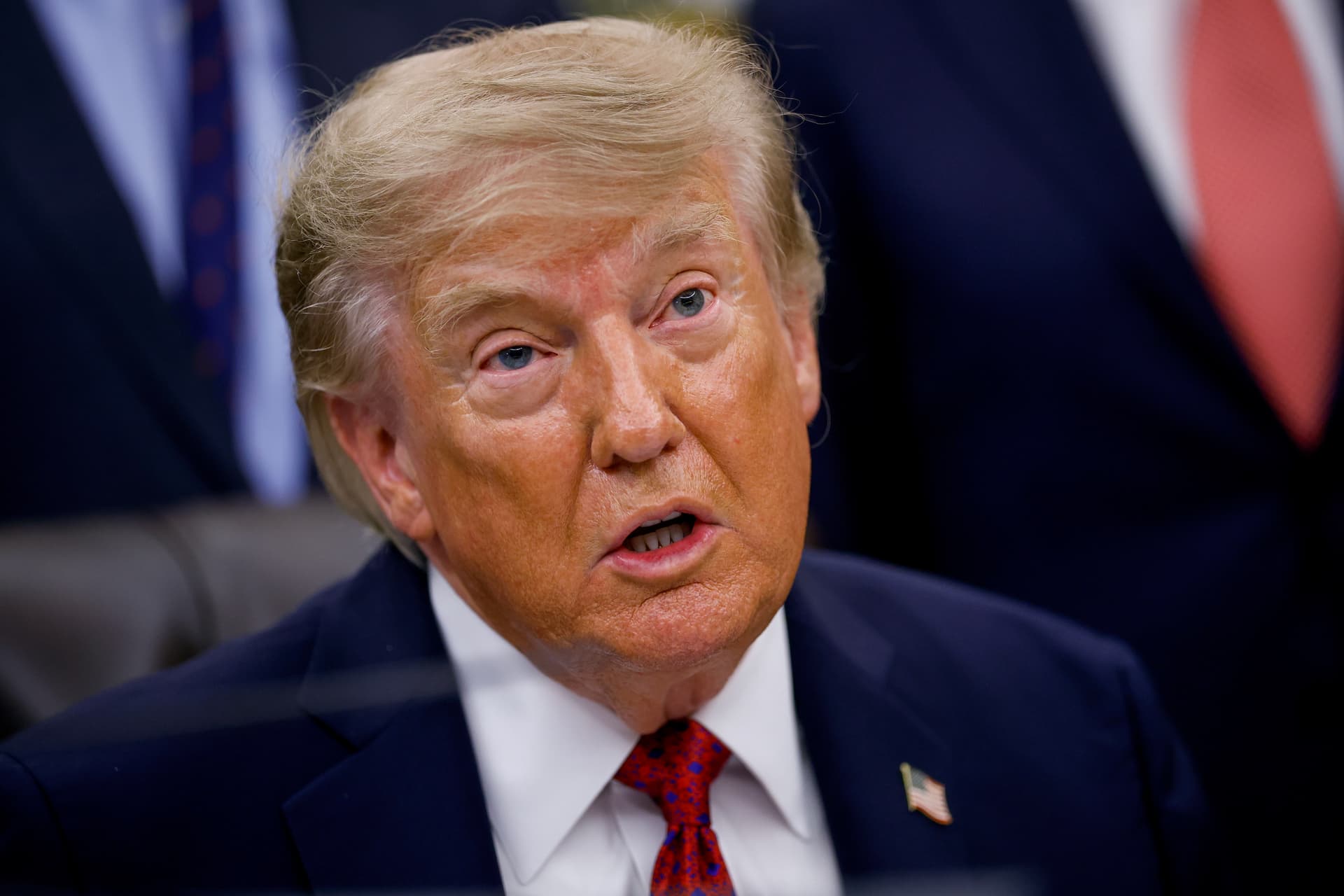
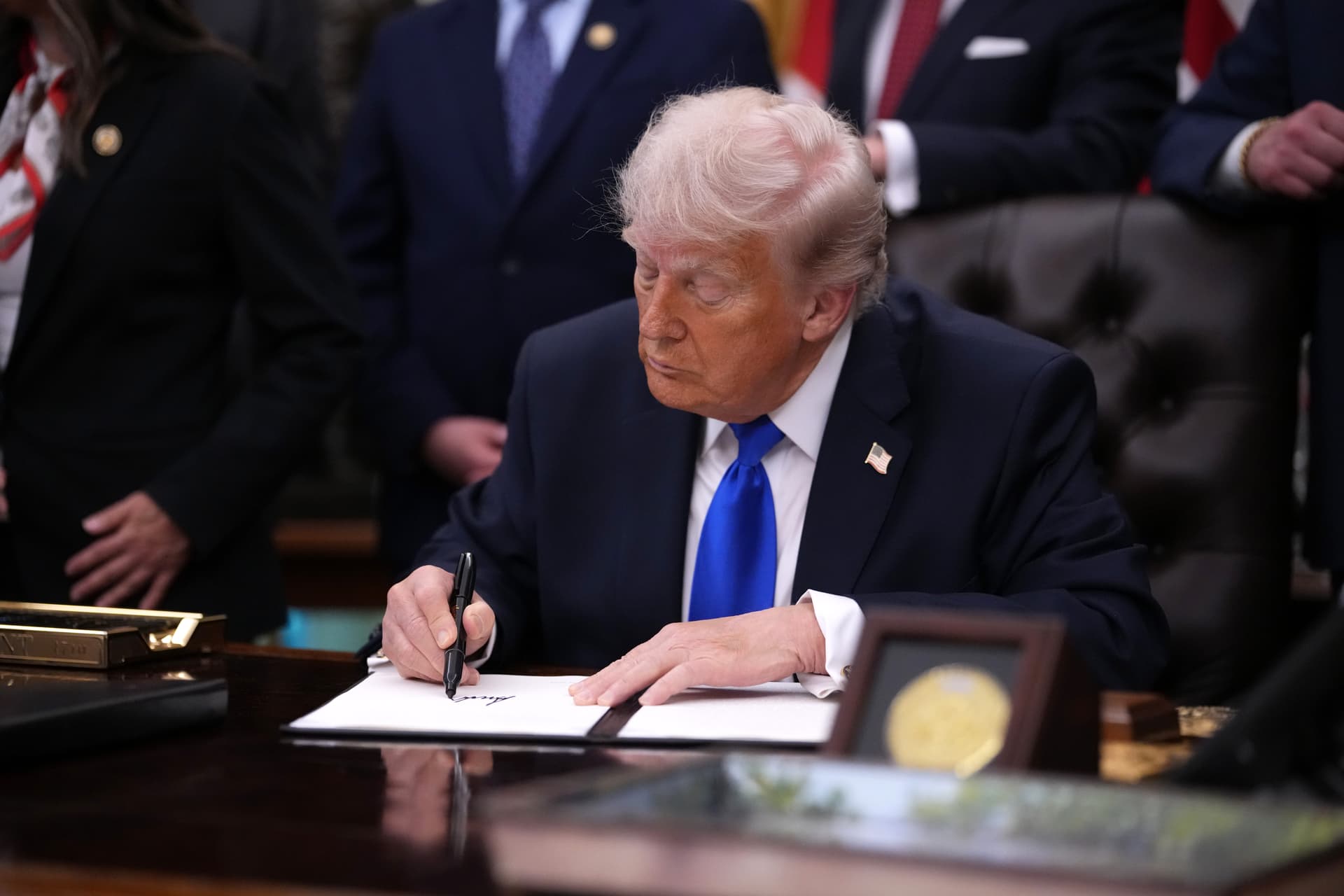
When asked about the result just a few hours later in the Oval Office, he expressed little concern about the defeat. He says he will find new seats elsewhere.
“We’ve won every other state,” he said of his push for Republican state legislators to redraw maps across the country. “[Indiana] is the only state” where he was not victorious, the president said.
“I wasn’t working on it very hard — woulda been nice,” he said of the Indiana outcome. “I think we would’ve picked up two seats if we did that.”
Mr. Trump’s public pressure campaign consisted of Truth Social posts calling certain lawmakers “RINOs,” threats of primary challenges, and even dispatching Vice President JD Vance to the state twice to try to convince lawmakers.
On Thursday, however, he did not seem as animated about going after those Republicans who defied him on this issue. He said that he would back a primary challenger to state senate president pro tempore Rodric Bray — who opposed the gerrymander but is not up for re-election until 2028 — though he admitted that he only had “hope” that such a thing would happen.
“He’ll probably lose his next primary,” Mr. Trump said. “I hope he does.”
Last week, after realizing Mr. Bray would not go along with the redistricting measure, Mr. Trump called out nine Republican state senators by name in a Truth Social post. He said those lawmakers needed “encouragement” from Hoosiers to do the right thing and pass the new maps.
In the end, all nine of those senators whom Mr. Trump pressures ended up voting against the gerrymander.
Despite his seeming lack of interest in the result or the future of Indiana politics, Mr. Trump’s closest allies are promising retribution. A campaign organization founded by Charlie Kirk — Turning Point Action — is already hiring campaign coordinators to work to defeat certain Republican state senators in their respective primaries next year.
“Turning Point Action will be publicly endorsing opponents of the State Senators who voted against redistricting today. They thought we were bluffing. No,” the chief operating officer of the organization and a longtime friend of Kirk’s, Tyler Bowyer, wrote on X. “We will educate voters and throw thousands of volunteers and staff at their local districts.”
“The Indiana Senate vote will reveal the bravery or cowardice of Republican Senators in the state. Hoosiers deserve unprecedented, courageous leadership that will PASS THE MAP!” Heritage Action — a grassroots organizing arm of the Heritage Foundation — said in a post on X before the vote. The group claimed that federal funds would be withheld by Mr. Trump from Indiana if the maps did not pass, though neither the White House nor the president have said such a thing.
Mr. Vance, who many expect to be the 2028 GOP presidential nominee, said before the vote that Mr. Bray had been lying to the White House about his intention to try to block the new congressional maps. He made clear that such disloyalty would likely be met with consequences.
“That level of dishonesty cannot be rewarded, and the Indiana GOP needs to choose a side,” the vice president wrote on X.
With the Indiana vote failing, Republicans and Democrats are tied in the redistricting war kicked off by Texas Republicans earlier this year. California Democrats have effectively canceled out the Texas gerrymander, with both states expected to flip five congressional seats for their favored parties.
Missouri, Ohio, and North Carolina Republicans have all so far only gained one seat for the GOP, though Virginia Democrats plan to upend that. Leaders of the commonwealth’s legislature have hinted at eliminating as many as four Republican seats, which would give Democrats a one-seat advantage in the gerrymandering fight.
The only question marks that truly remain are what happens in Wisconsin, Illinois, Maryland, and Florida. The Wisconsin supreme court could upend Republicans’ plans by forcing a redistricting in their state, which would almost certainly redound to the benefit of Democrats.
Illinois and Maryland together could eliminate as many as two or three Republican seats. Florida will consider redistricting in the coming weeks, though with Hispanic voters shifting significantly back toward the Democrats, Governor Ron DeSantis could be risking a loss of additional Republican districts rather than eating into the Democrats’ districts.