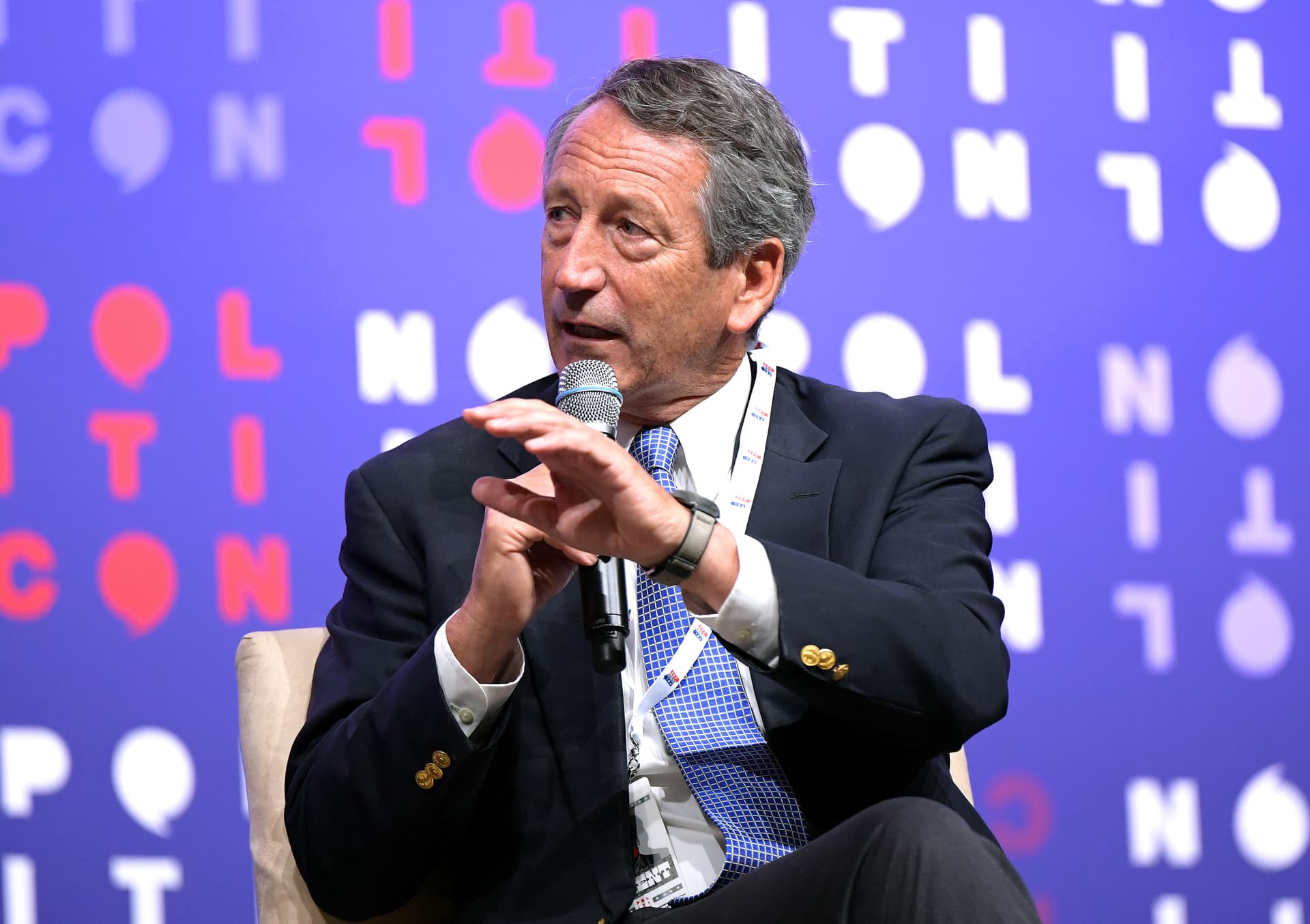

Trump Extends Import Charges to European Union and Mexico, Hitting Both With 30 Percent Rate From August 1

Letters went to 23 other American trading partners this week, including Canada, Japan and Brazil, setting blanket tariff rates ranging from 20 percent to 50 percent.

Andrew Harnik/Getty Images
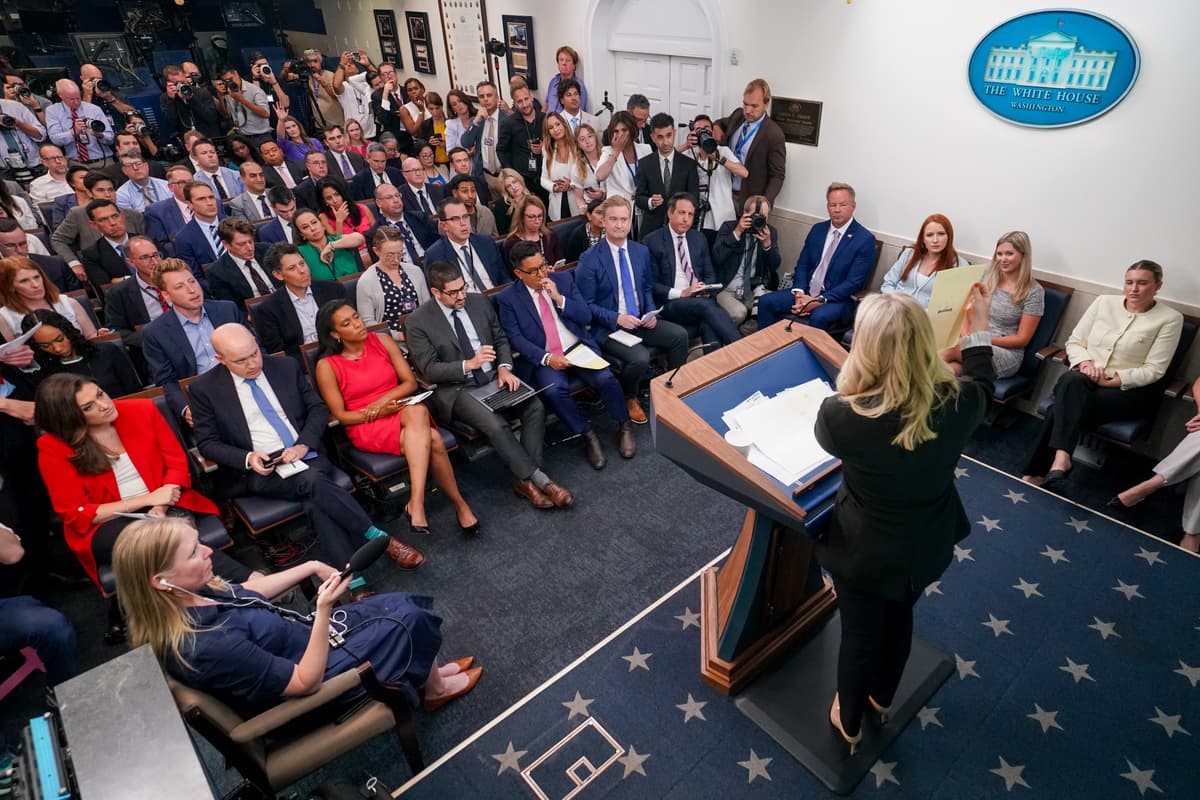
White House press secretary Karoline Leavitt during a briefing. Andrew Harnik/Getty Images

President Trump on Saturday announced new 30 percent tariffs on goods from the European Union and Mexico, set to take effect on August 1, extending a wave of import charges that have helped to boost U.S. revenues.

The announcement was made in letters addressed to European Commission President Ursula von der Leyen and Mexican President Claudia Sheinbaum. Mr. Trump said the move is critical to reviving the American economy and addressing years of lopsided trade deficits.

“We have had years to discuss our trading relationship with the European Union, and we have concluded we must move away from these long-term, large, and persistent, trade deficits, engendered by your tariff, and non-tariff, policies, and trade barriers,” Mr. Trump wrote in the letter to the EU, calling the trade deficit a “national security threat.”

“Our relationship has been, unfortunately, far from reciprocal,” he wrote.

In his letter to Mexico, Mr. Trump acknowledged the nation’s efforts to help secure the U.S.-Mexico border and stem the flow of fentanyl into America. “But what Mexico has done, is not enough,” he added. “Mexico still has not stopped the cartels who are trying to turn all of North America into a narco-trafficking playground. Obviously, I cannot let that happen!”

Mr. Trump said the tariffs are needed because of what he called unfair trading practices, doubling down on his vision for a “reciprocal” trade environment.

European Commission President Ursula von der Leyen responded with a statement saying few economies in the world “match the European Union’s level of openness and adherence to fair trading practices.”

“We will take all necessary steps to safeguard EU interests, including the adoption of proportionate countermeasures if required,” she said.

Mr. Trump warned both Mexico and the EU that any attempt to retaliate with counter-tariffs would be punished. “Whatever the number you choose to raise them by will be added on to the 30% that we charge,” the president warned. 

He also offered the EU an opportunity to avoid the tariff, writing, “There will be no tariff on EU goods if the 27-member bloc, or companies within the EU, decide to build or manufacture products within the United States.”

These moves are part of Trump’s broader “reciprocal tariffs” initiative, which he has positioned as a centerpiece of his 2024 campaign to rebuild the U.S. economy. Critics claim that Trump’s aggressive trade policies mark a departure from decades of established international trade norms.

The controversial tariffs are being credited for an unexpected U.S. budget surplus for the month of June, the Treasury Department reported on Friday. It said the government collected $27 billion in tariffs in June, the same amount by which total revenues exceeded expenditures for the month.

The European Union, which collectively sells more to the United States than any other single country, exported more than $553 billion in goods to America in 2022, according to the Office of the U.S. Trade Representative. 

A trade deal to avert the tariffs may still be possible, as EU chief trade negotiator Maroš Šefčovič hinted earlier this week. Mr. Šefčovič told EU lawmakers that recent talks were productive, but with the August 1 deadline looming, uncertainty remains.

Mr. Trump has been on and off with tariffs. On April 2, he startled global markets by announcing a global 10 percent tariff, with even steeper duties on certain goods such as steel and aluminum. That announcement sparked widespread market turmoil, prompting Mr. Trump to issue a 90-day pause on most of the tariffs. 

But the president – who made his latest announcement on  a day when the American markets are closed – has been on a tariff tear of late, sending letters to 23 other American trading partners this week, including Canada, Japan and Brazil, that set blanket tariff rates ranging from 20 percent to 50 percent.

Mr. Trump on Thursday told NBC News he plans to ramp up his global tariff baseline rate as high as 20 percent. “We’re just going to say all of the remaining countries are going to pay, whether it’s 20 percent or 15 percent. We’ll work that out now.”


The New York Sun

© 2025 The New York Sun Company, LLC. All rights reserved.

Use of this site constitutes acceptance of our Terms of Use and Privacy Policy. The material on this site is protected by copyright law and may not be reproduced, distributed, transmitted, cached or otherwise used.

The New York Sun

Sign in or  create a free account

or
By continuing you agree to our Privacy Policy and Terms of Use