Trump Is Working the Phones With Communist China and Japan, One an Adversary and the Other an Ally
The new premier in Tokyo suggests that a Chinese attack on Taiwan would present ‘a survival-threatening situation for Japan.’
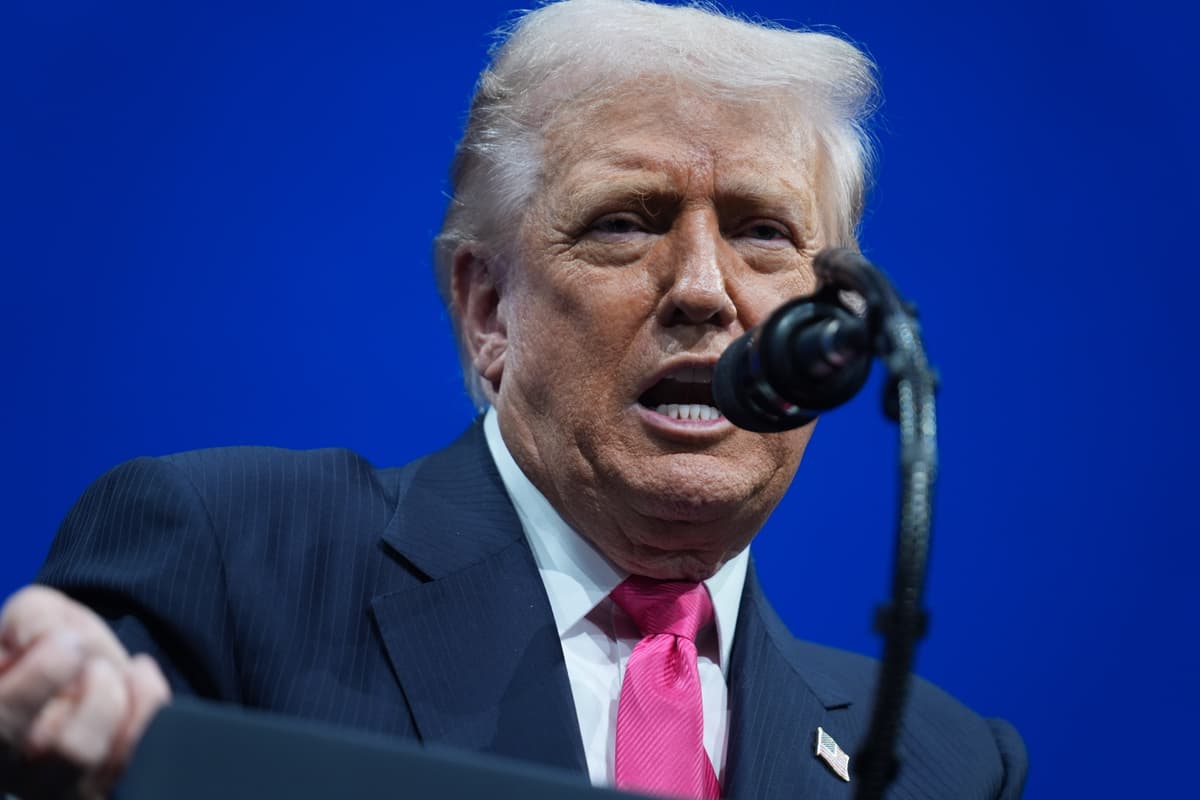

In a triangular quest for power and influence in Tokyo and Beijing, President Trump is looking simultaneously for great relations with America’s closest Asian ally, Japan, and its worst Asian adversary, Communist China.
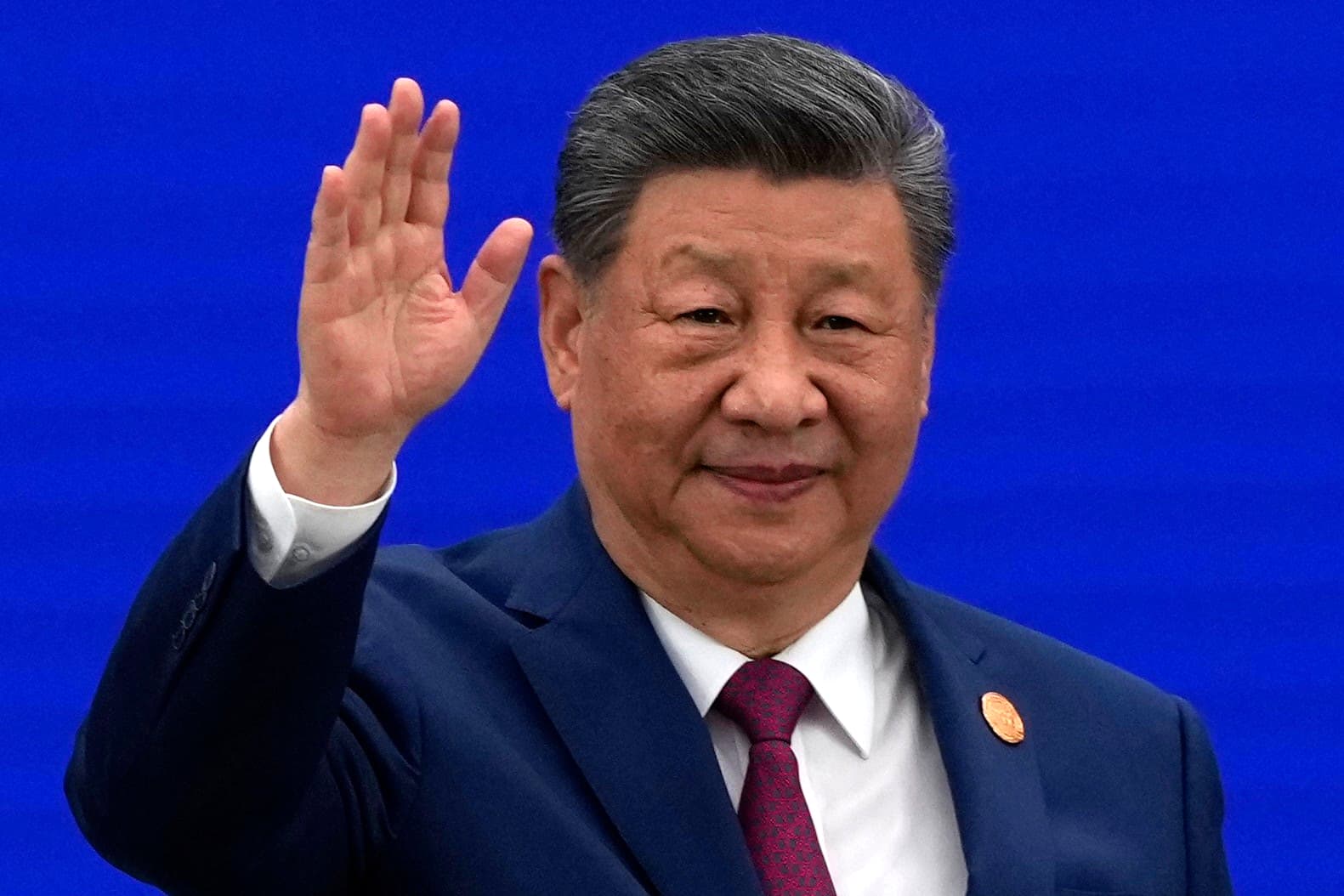
Subtly playing one against the other in asserting America’s role in the region, Mr. Trump was on the line with the leaders of both Japan and China in the midst of a quarrel between them with the potential for erupting into conflict. First, Mr. Trump chatted with China’s president, Xi Jinping.
A Chinese spokesman said the conversation had been “positive, friendly and constructive,” as they talked about “issues of common concern,” but Mr. Trump carefully avoided a position when Mr. Xi asserted what the Chinese news agency, Xinhua, said was “China’s principled position on the Taiwan question” — the “return to China” of the island democracy as “an integral part of the post-war international order.”
Xinhua said Mr. Trump had stressed that America “understands” the importance of “the Taiwan question to China,” but neither Mr. Trump nor the White House reported that portion of the conversation.
Rather, Mr. Trump posted that America’s relations with China were “extremely strong” and that both sides had made “significant progress … in keeping our agreements current and accurate” — a reference to tariffs that Mr. Trump has lowered on Communist Chinese products.
There was no hint in the conversation between the two presidents of Washington’s “commitment” to defend the Republic of China on Taiwan, to which America this year is shipping $330 million in military equipment. Although America and Taiwan do not have diplomatic relations, American military advisers are training Taiwanese soldiers in the event of an attack amid periodic intimidation of the island by Chinese ships and planes.
Washington’s policy toward Taiwan remains that of “strategic ambiguity,” under which America agrees with Beijing’s position that Taiwan is formally a Chinese province — though an independent entity. Skipping any mention of American support of Taiwan, Mr. Xi said America and China “should keep up the momentum” as “they recalibrated the course of the giant ship of China-U.S. relations.”
Despite the eagerness of both Washington and Beijing to avoid confrontation and to patch up huge differences over China’s military role in the vast Indo-Pacific region, Mr. Trump made a point of calling Japan’s prime minister, Sanae Takaichi, to tell her what he and Mr. Xi had discussed.
The inference of the call was that Mr. Trump did not want to appear to be going around, much less ignoring, America’s long-time ally. America has 50,000 troops in Japan on air, naval and marine bases. Japan’s relations with China have deteriorated sharply since Ms. Takaichi remarked that a Chinese attack on Taiwan would present “a survival-threatening situation for Japan.”
China’s propaganda machine has gone into overdrive denouncing that comment, seen as a sign that the right-wing Japanese leader, long reputed for her hawkish military outlook, might be plotting to circumvent Article 9 of Japan’s post-war constitution banning Japanese troops from participating in foreign wars.