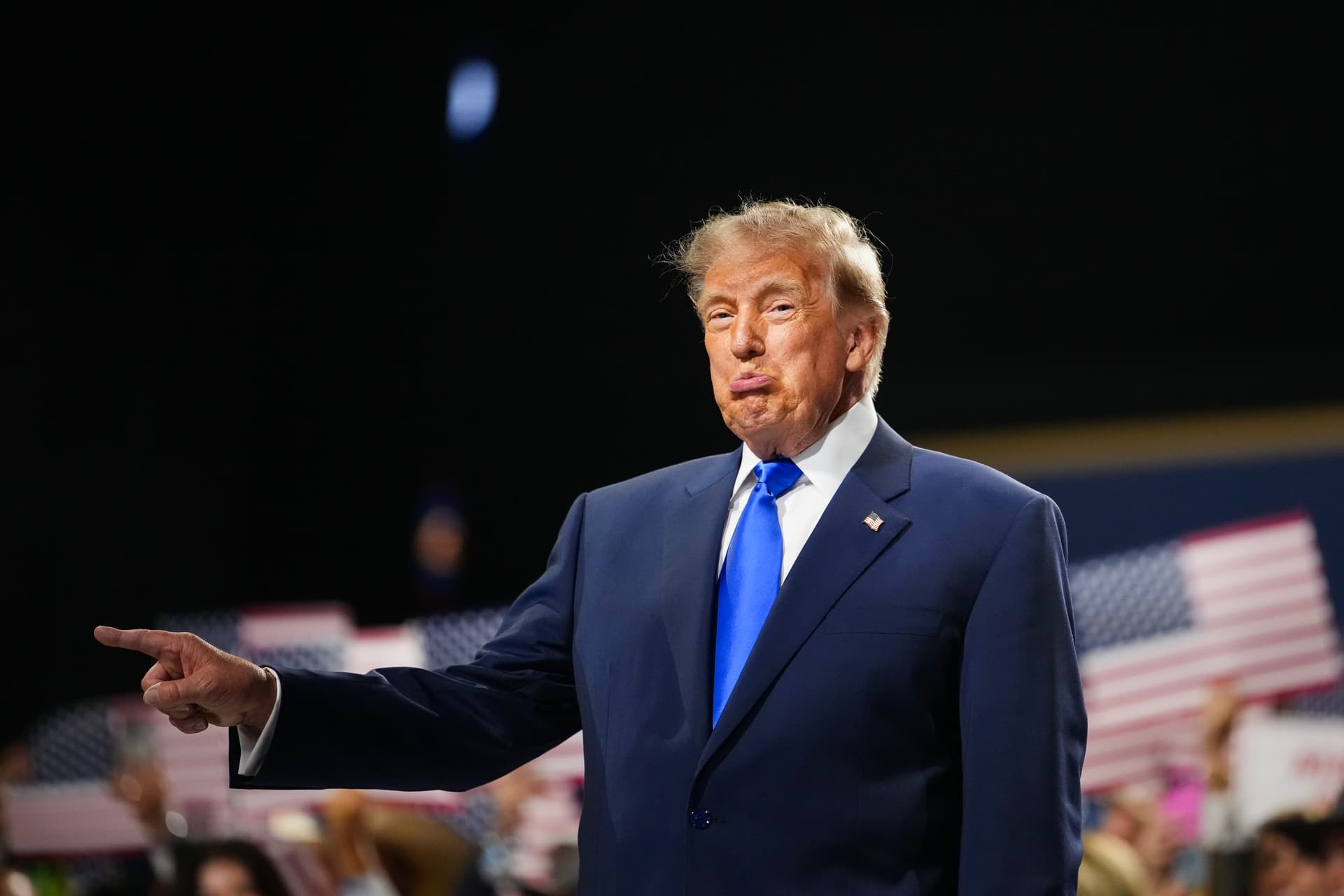
Trump Says New Orleans, Overseen by a Friendly Republican Governor, Could Be Next on His List for Federal Troop Deployments

The president has mused about sending assets to major American cities, though he would likely run into little pushback in the deep-red state.
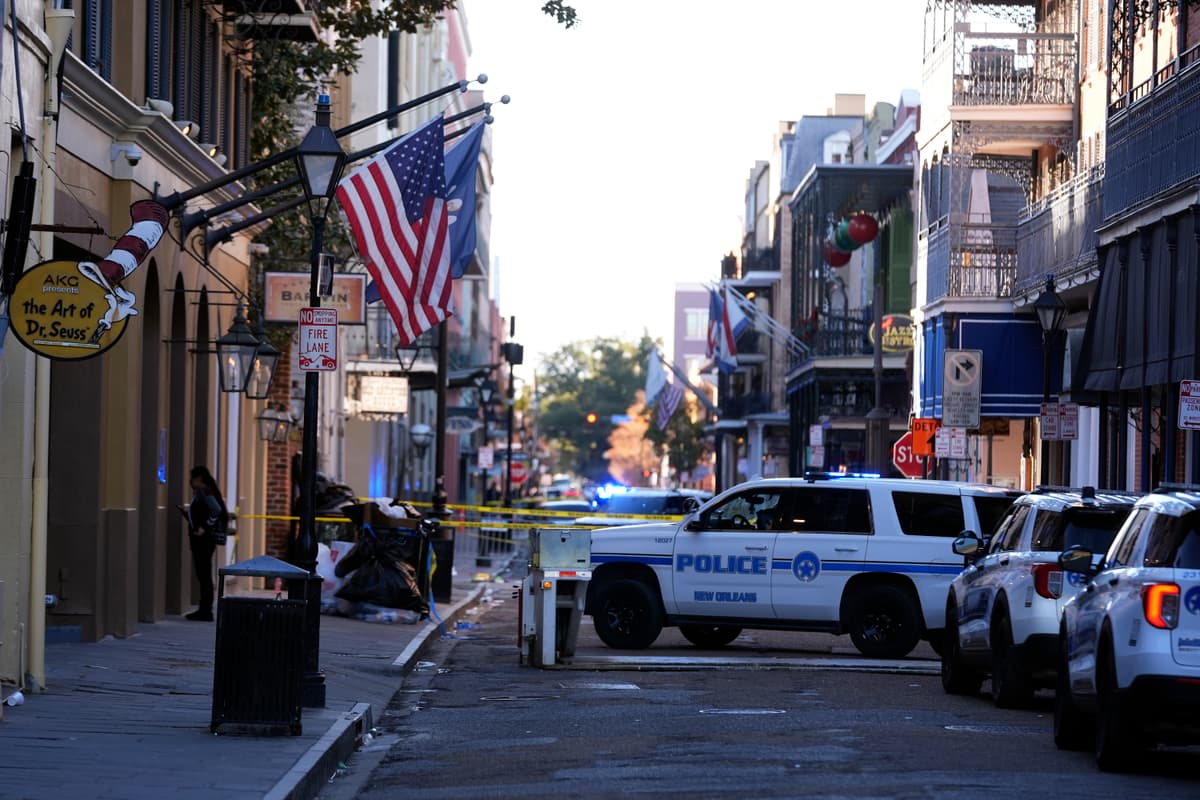

AP/Gerald Herbert
The aftermath of a vehicle driving into a crowd on New Orleans' Canal and Bourbon Street, January 1, 2025. AP/Gerald Herbert

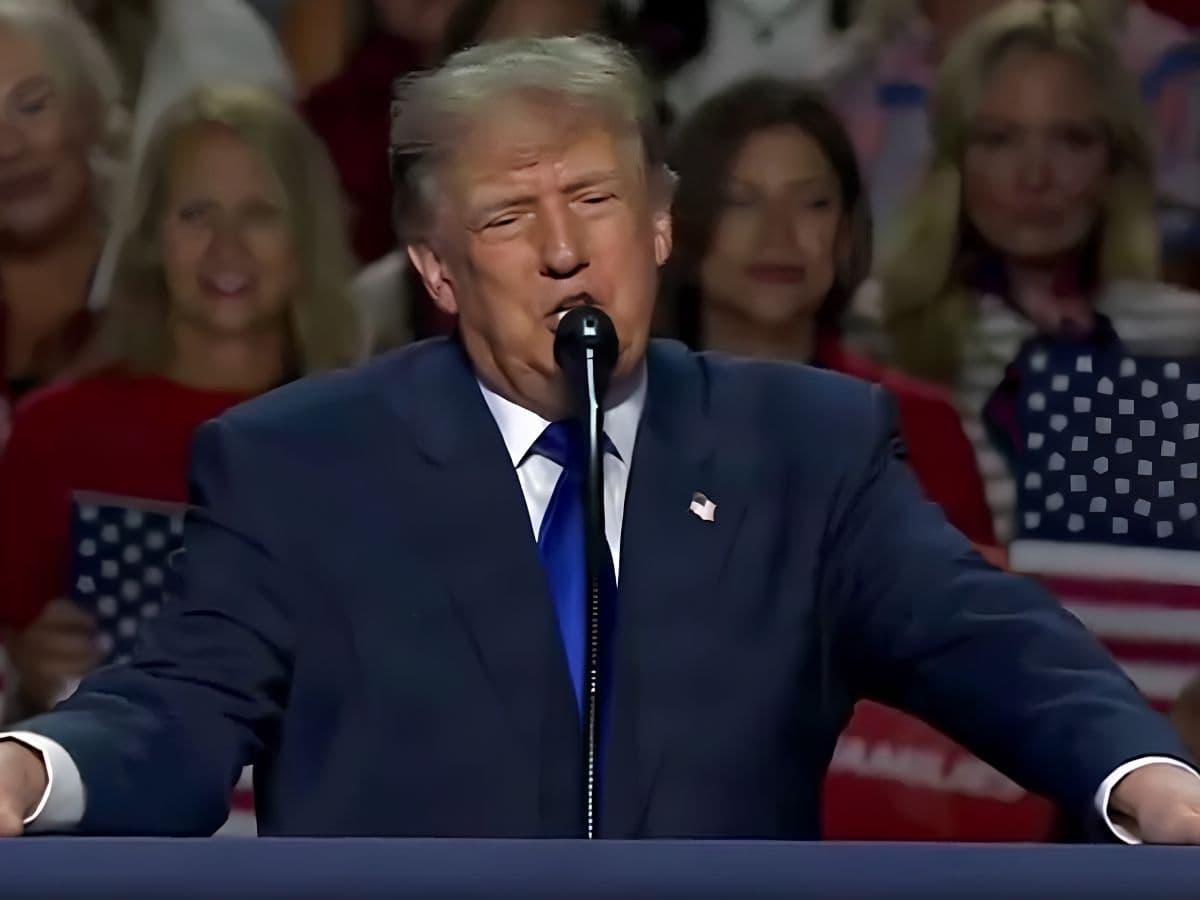
After teasing a federal crackdown on Chicago for several days, President Trump now says his next target for a military deployment could be New Orleans, where he would likely face little pushback from the supermajority Republican state government. Mr. Trump said in the Oval Office on Monday that the state’s governor would welcome federal troops. 

Since he deployed the National Guard to Washington, D.C. last month and mobilized federal agents to conduct immigration raids and law enforcement duties, Mr. Trump and Republicans have been celebrating tough-on-crime politics. Just on Wednesday, Speaker Johnson confirmed at a press conference that Congress would not only back the president on a resolution to extend his emergency powers, but the Republican House was looking to repeal some city ordinances related to crime in the coming days. 

Mr. Trump, reveling in his newfound powers, says he may use some federal resources in Louisiana, where every statewide elected official is a Republican and the GOP holds wide majorities in both houses of the state legislature. 

“We’re making a determination now,” Mr. Trump said during a press event with the president of Poland on Wednesday. “Do we go to Chicago or do we go to a place like New Orleans, where we have a great governor, Jeff Landry, who wants us to come in and straighten out a very nice section of this country that’s become quite, you know, quite tough, quite bad.”

“We’re gonna be going to maybe Louisiana, and you have New Orleans, which has a crime problem. We’ll straighten that out in about two weeks,” Mr. Trump said, claiming that it will be “easier” than solving the crime problem in D.C.

Mr. Landry’s office did not immediately respond to a request for comment from the New York Sun. The mayor’s office, through the official City of New Orleans’s X account, said only that it was grateful for their longstanding partnership with the federal government, though the statement made no mention of the president’s remarks on Wednesday. 

The city’s Democratic representative in the House, Congressman Troy Carter, said in a statement that the deployment of the American military or a militarized influx of federal agents would be nothing more than a “political stunt.”

“We will always welcome true collaboration from our federal partners — but never at the expense of our Home Rule Charter or the democratic principles we swore to uphold,” Mr. Carter says. “Militarizing the streets of New Orleans is not a solution. Period. If the President wants to provide federal resources to the City, I will work with him.”

Though crime in the city has fallen recently, violence in New Orleans became national news earlier this year when an attacker drove a truck through one of the city’s main tourist attractions, Bourbon Street, and left more than a dozen people dead. 

Several media outlets later reported that officials had been warned — both in a 2019 report for the New Orleans city government and a December 2024 warning from the Department of Homeland Security — that security structures were needed to protect Bourbon Street revelers, and that the kind of truck attack that occurred on New Year’s Day may take place. 

At that same Oval Office meeting, the president again did not rule out sending military assets to Chicago. The White House has been pointing to a number of killings over Labor Day weekend as a reason for the federal government to start conducting law enforcement operations in the city. 

“We could straighten out Chicago. All they have to do is ask us,” Mr. Trump said, though he claimed that he could do so even “if we don’t have the support of some of these politicians” because he has the support of “the people of Chicago.”

Though Washington, D.C’s mayor Muriel Bowser has endorsed the president’s use of federal assets in her city, Chicago’s leaders are not as welcoming. Mayor Brandon Johnson has already signed an executive order directing his police department to not collaborate with any law enforcement activities should the federal government send agents or troops to his city. 


The New York Sun

© 2025 The New York Sun Company, LLC. All rights reserved.

Use of this site constitutes acceptance of our Terms of Use and Privacy Policy. The material on this site is protected by copyright law and may not be reproduced, distributed, transmitted, cached or otherwise used.

The New York Sun

Sign in or  create a free account

or
By continuing you agree to our Privacy Policy and Terms of Use