Trump Sets Tariff Rates; See Which Countries Are Highest on the List

Canada says it is ‘disappointed’ in a 35 percent rate.
AP/Ng Han Guan
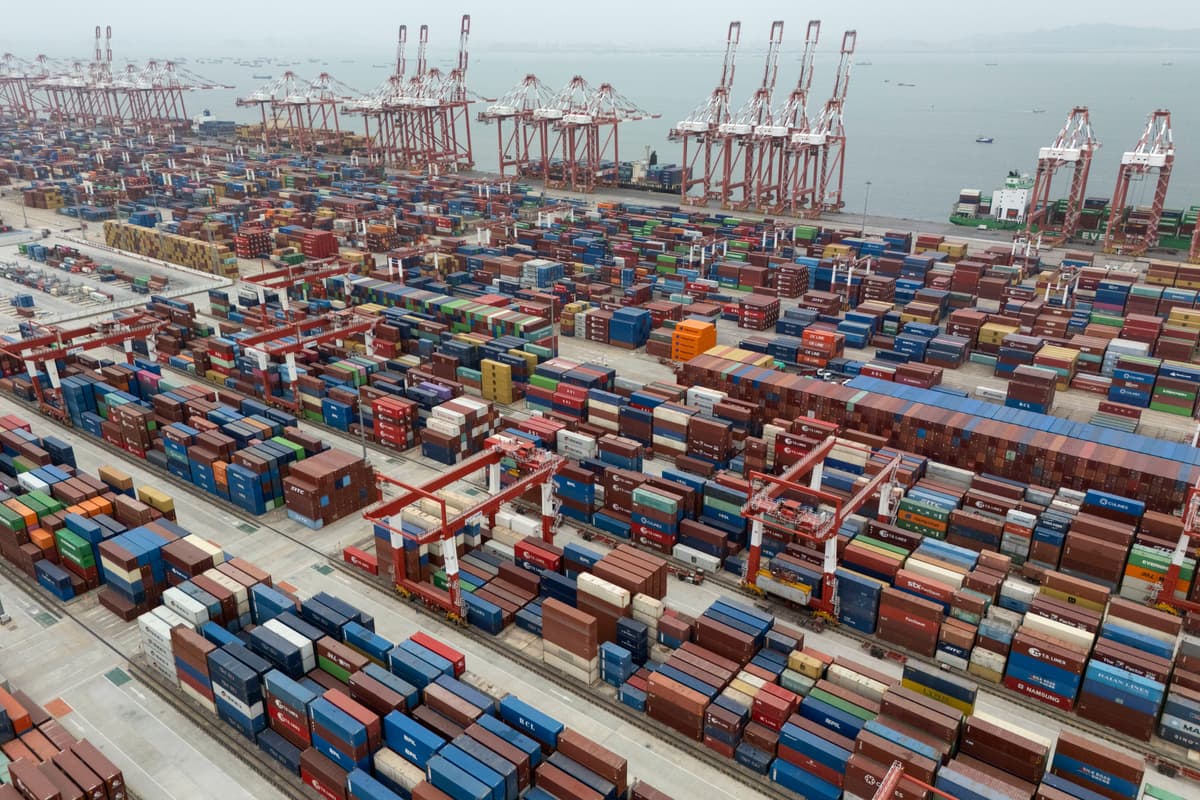
Shipping containers at the Guangzhou Port in China. AP/Ng Han Guan

President Trump has pushed the start of new tariffs on imports from nearly 100 countries to August 7, a one-week delay from the previously announced deadline that could give some time for countries to scramble to reach trade agreements.

One exception is a 35 percent tariff on some Canadian goods that goes into effect today. Most Canadian goods will avoid the new tariffs due to a previous trade agreement but about 10 percent of Canadian imports face the new tax, including dairy, lumber, steel, aluminum, and automobiles.

On Friday, Prime Minister Carney said he was “disappointed” in the higher rates on some Canadian goods.

“While we will continue to negotiate with the United States on our trading relationship, the Canadian government is laser focused on what we can control: building Canada strong,” Mr. Carney said in a statement.

Mexico is part of the same trade agreement that shields most Canadian goods but a 35 percent tariff rate with Mexico is on hold for 90 days as talks continue.

Brazil is facing the highest announced tariff rate — up to a 50 percent levy on various goods. Mr. Trump is putting the screws on Brazil because of the country’s prosecution of its former right-wing president, Jair Bolsonaro, who is on trial for allegedly plotting to assassinate his left-wing successor.

Goods from China currently face a 30 percent tariff but talks continue to avoid crushing increases that could trigger an all-out trade war between the two large economies.

Other countries that face high tariffs are Switzerland, with a 39 percent rate, and Iraq, with a 35 percent rate, but those countries account for only a very small amount of United States trade.

Several countries, including Algeria, Libya, and South Africa, face a 30 percent rate. Mr. Trump slapped a 25 percent tariff on India, blaming, in part, its own tariffs and the country buying oil from Russia.

In a preliminary deal Mr. Trump reached with the European Union over the weekend, the bloc’s member countries will pay a 15 percent rate. However, several members of the bloc are upset with the deal and are demanding changes as talks continue.

The tariff rates for most other countries will be 10-15 percent.

A fact sheet released by the White House on Thursday after Mr. Trump signed an executive order setting the tariffs stated, “President Trump is using tariffs as a necessary and powerful tool to put America First after many years of unsustainable trade deficits that threaten our economy and national security.”

But government figures show that the trade deficit is actually growing. The Census Bureau reported this month that the deficit was $71.5 billion in May, up $11.3 billion from April, when Mr. Trump announced his “Liberation Day” tariffs. While imports were little changed, there was a large drop in United States exports. The bulk of the exports that fell were natural gas, finished metals, and gold.


The New York Sun

© 2025 The New York Sun Company, LLC. All rights reserved.

Use of this site constitutes acceptance of our Terms of Use and Privacy Policy. The material on this site is protected by copyright law and may not be reproduced, distributed, transmitted, cached or otherwise used.

The New York Sun

Sign in or  create a free account

or
By continuing you agree to our Privacy Policy and Terms of Use