Trump Signs Orders Aimed at Cracking Down on Cashless Bail, Flag Burning
The president is threatening to withhold federal funds from certain jurisdictions if cities or states fail to comply with his law-and-order demands.


As part of President Trump’s law-and-order push and amid threats to deploy the military to American cities, he is attempting to crack down on cashless bail policies and flag burning nationwide.
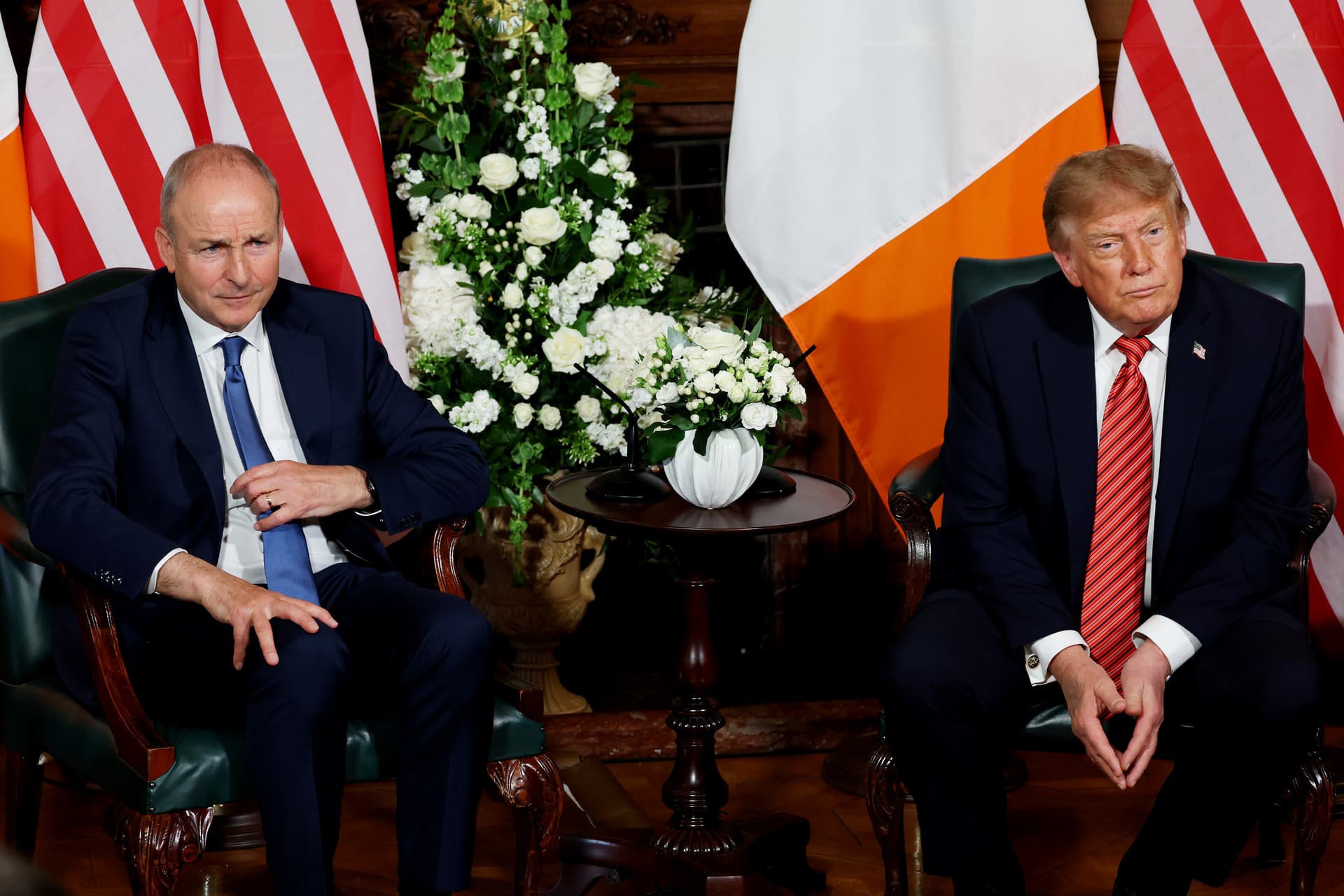
Speaking to reporters in the Oval Office on Monday, the president said he wanted to take his successes in tamping down crime at Washington, D.C., and bring it to other cities and states.
Mr. Trump issued three executive orders on Monday morning — two meant to nullify cashless bail policies and one intended to punish those who would burn the flag in protest, a free speech right backed by Supreme Court precedent. One of the cashless bail orders applies only to the District of Columbia, where the president has taken control of the city’s law enforcement apparatus pursuant to federal statute.
The order pertaining to Washington, D.C.’s cashless bail policies — which were first established in the 1990s — says executive branch officials will work with city officials to ensure defendants “are held in Federal custody to the fullest extent permissible under applicable law.”
The order also states that officials “shall pursue Federal charges and pretrial detention for such arrestees whenever possible, consistent with applicable law, to ensure that criminal defendants who pose a threat to public safety are not released from custody prior to trial.”
Ensuring the order is followed will be largely the responsibility of the Office of Management and Budget, which is directed to “identify appropriate actions to press the District of Columbia to change its policies with respect to cashless bail.”
“Such actions may include Federal funding decisions or the provision of Federal services or approvals by agency heads, as well as actions the Attorney General identifies as necessary and appropriate because of the emergency conditions,” Mr. Trump’s order reads.
The second executive action signed Monday is focused on cities and states across the country that have instituted cash bail reforms. “It is … the policy of my Administration that Federal policies and resources should not be used to support jurisdictions with cashless bail policies, to the maximum extent permitted by law,” the second order reads.
Within 30 days, Attorney General Pam Bondi is required to submit to the White House a list of cities and states that have “substantially eliminated cash bail as a potential condition of pretrial release from custody for crimes that pose a clear threat to public safety and order, including offenses involving violent, sexual, or indecent acts, or burglary, looting, or vandalism.”
Again, the punishment for a lack of compliance with the president’s demand for an end to cashless bail policies will come from the Office of Management and Budget, which has been behind Mr. Trump’s push for impoundment powers. The order says the director, Russ Vought, “shall identify Federal funds, including grants and contracts, currently provided to cashless bail jurisdictions identified.”
Mr. Trump’s push to prosecute flag burners may very well run into legal challenges as the Department of Justice attempts to liken the desecration of American flags to provoking civil unrest, which can be a felony offense.
“When you burn the American flag, it incites riots,” the president told reporters.
The president’s executive action states that flag burning should be considered when prosecuting a number of offenses, including “violent crimes; hate crimes, illegal discrimination against American citizens, or other violations of Americans’ civil rights; and crimes against property and the peace, as well as conspiracies and attempts to violate, and aiding and abetting others to violate.”
“Through a very sad court … they called it ‘freedom of speech,’” Mr. Trump said, referring to the landmark Supreme Court decision in 1989 that held flag burning was protected by the First Amendment. A conservative icon, Associate Justice Antonin Scalia, voted with the 5-4 majority in the case.