Trump Tariff Cuts and a Price War on Turkeys Promise a Thanksgiving Break for Consumers
The administration and grocery chains alike are responding to consumer concerns about affordability.
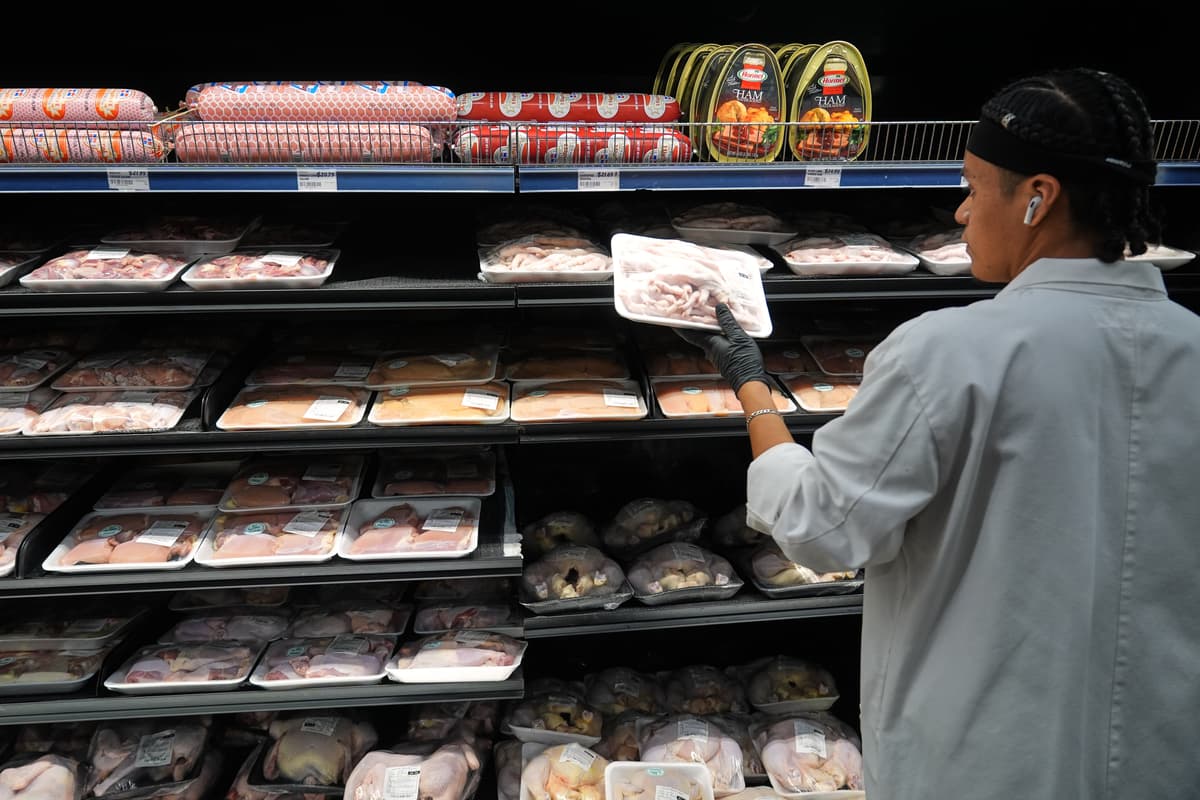

Financially stretched consumers may be catching a break just in time for Thanksgiving, with both the Trump administration and major grocery chains taking steps that could hold down the cost of this year’s turkey and trimmings.
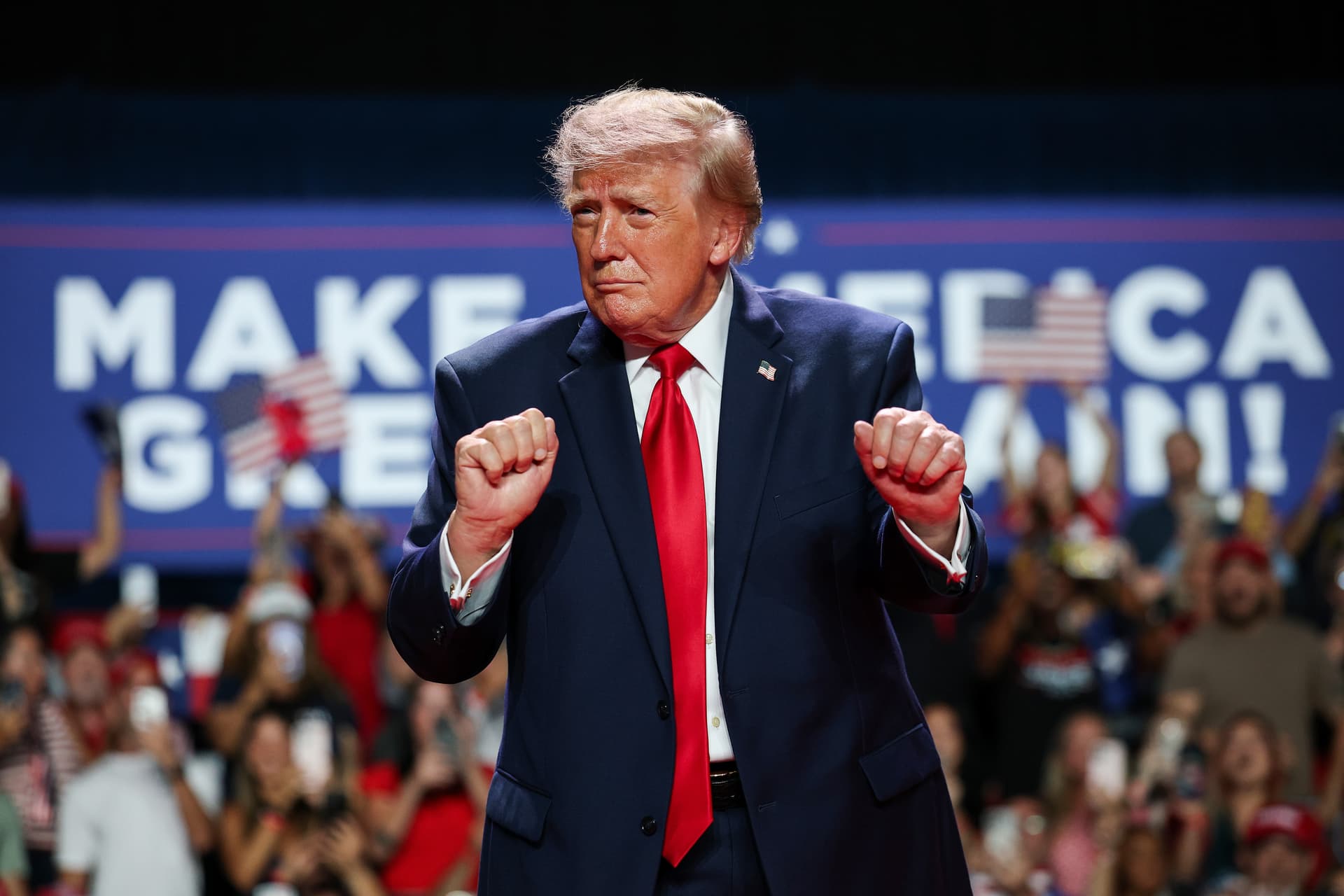
President Trump announced a significant reversal of his signature trade policy on Friday, eliminating U.S. tariffs on beef, coffee, tropical fruits, and other widely consumed commodities.
Major retailers, meanwhile, are caught up in a price war over turkeys, significantly cutting their profit margins to attract and retain cost-conscious consumers.
Mr. Trump’s tariff reversal comes in the face of growing pressure to address high consumer prices, a major factor contributing to the Democratic romp in this month’s off-year elections.
In a separate but related action, Mr. Trump directed the Department of Justice to investigate major meatpacking companies, accusing them of “Illicit Collusion, Price Fixing, and Price Manipulation” to artificially inflate beef prices.
While the president’s moves will take a while to be felt, consumers are already enjoying the benefits of deep price cuts implemented by nearly every major grocery chain. Many are also adjusting their Thanksgiving meal bundles by shrinking them or substituting cheaper store-brand items to manage costs.
Walmart, for instance, is matching its meal prices from last year, offering a Thanksgiving meal for 10 people at around $4 per person, though the bundle contains fewer items than in 2024, Axios reported.
Aldi has priced its meal for 10 at $40 – or $4 per person – which is cheaper than last year and includes a 14-pound turkey. Lidl is offering a meal for 10 at just $36, nearly $10 less than last year, with turkeys priced at an aggressive 25 cents per pound for customers using its app.
In many cases, the chains are selling turkeys at a loss in hopes of making up the difference on other items in the holiday shopping cart.
Mr. Trump’s tariff retreat follows disappointing results for Republicans in this month’s off-year elections, where Democrats successfully campaigned on voters’ economic anxieties, securing key victories in Virginia, New Jersey, and other states.
“We just did a little bit of a rollback on some foods like coffee,” Mr. Trump confirmed to reporters aboard Air Force One on his way to his Florida home Friday evening.
When pressed on whether his tariffs had contributed to rising consumer prices, the president conceded, “I say they may, in some cases,” but quickly added, “to a large extent they’ve been borne by other countries.”
Democrats immediately framed the tariff rollback as an admission that the administration’s trade policies have harmed American households.
“President Trump is finally admitting what we always knew: his tariffs are raising prices for the American people,” said Congressman Don Beyer of Virginia in a statement. “After getting drubbed in recent elections because of voters’ fury that Trump has broken his promises to fix inflation, the White House is trying to cast this tariff retreat as a ‘pivot to affordability.’”
The executive order signed by Mr. Trump on Friday removes tariffs on a range of products, including tea, fruit juice, cocoa, spices, bananas, oranges, tomatoes, and certain fertilizers.
The decision was particularly aimed at tackling record-high beef prices, which have been a persistent concern for consumers. The administration’s tariffs on Brazil, a major beef exporter, were seen as a contributing factor.
In a social media post, Mr. Trump shifted blame for high beef prices away from his policies and onto the meatpacking industry.
“I have asked the DOJ to immediately begin an investigation into the Meat Packing Companies who are driving up the price of Beef,” he wrote, adding the action was intended to protect American ranchers.
“They are being blamed for what is being done by Majority Foreign Owned Meat Packers, who artificially inflate prices, and jeopardize the security of our Nation’s food supply.”
Four major companies dominate the U.S. beef packing market, two of which are based in Brazil. The concentration that has long drawn scrutiny from politicians on both sides of the aisle.
Despite the rollback, Mr. Trump defended his broader tariff strategy, repeating his claim that the revenue collected could fund direct payments to Americans. He suggested that $2,000 checks could be issued “sometime during the year” in 2026, though he was vague on details and also mentioned using the funds to pay down the national debt.
When asked if such payments could worsen inflation, Mr. Trump distinguished them from pandemic-era stimulus packages. “This is money earned as opposed to money that was made up,” he said. “That’s real money that comes from other countries.”