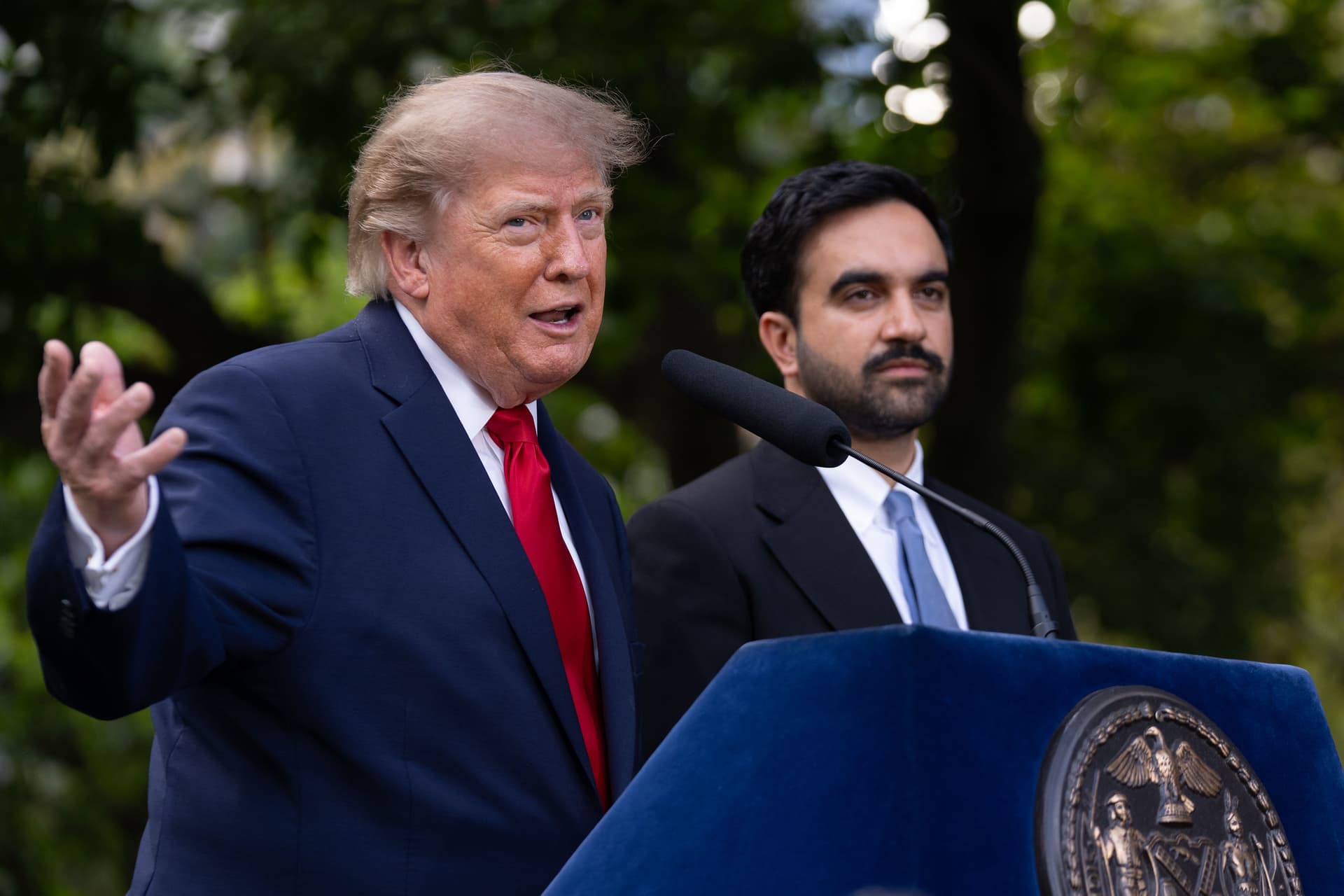
Trump’s Clash With Alvin Bragg Will Soon Be Back in Court as President Fights To Get His Stormy Daniels Guilty Verdict Tossed
The 47th president has less than a month to marshal his arguments for why he should be a convicted felon no longer.
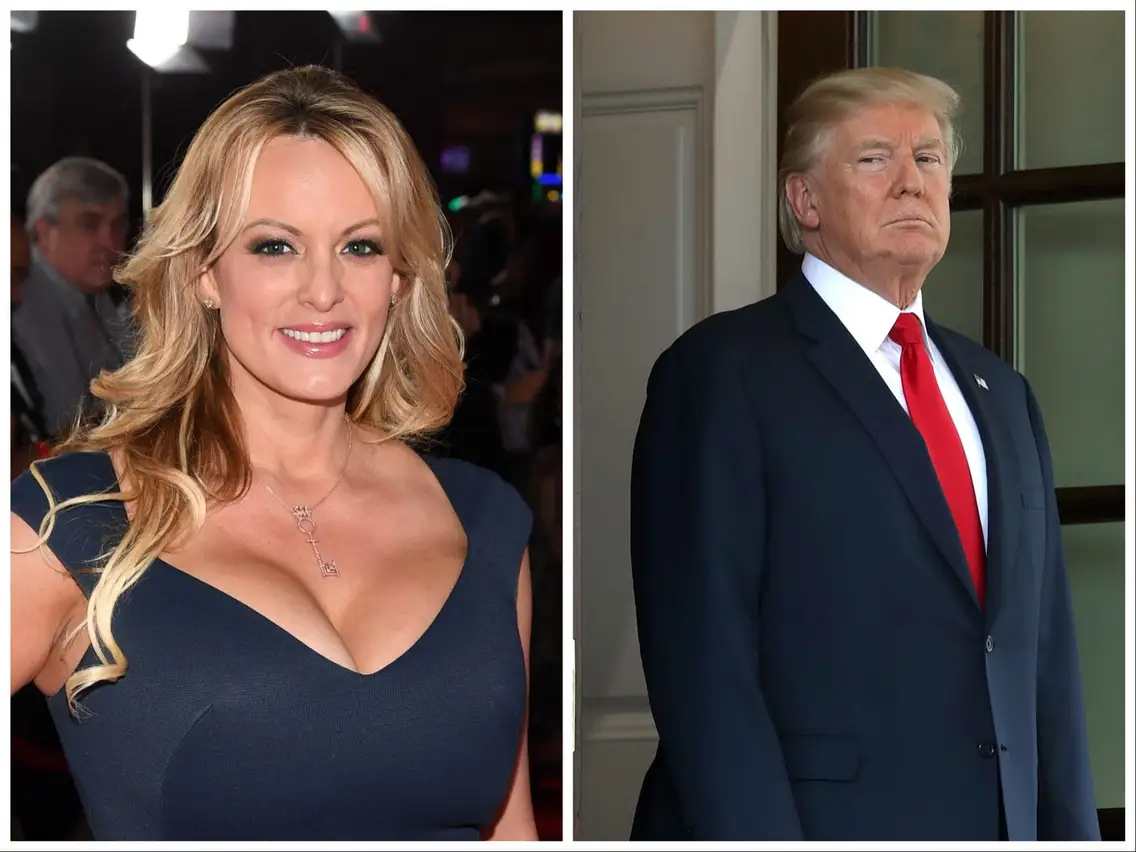

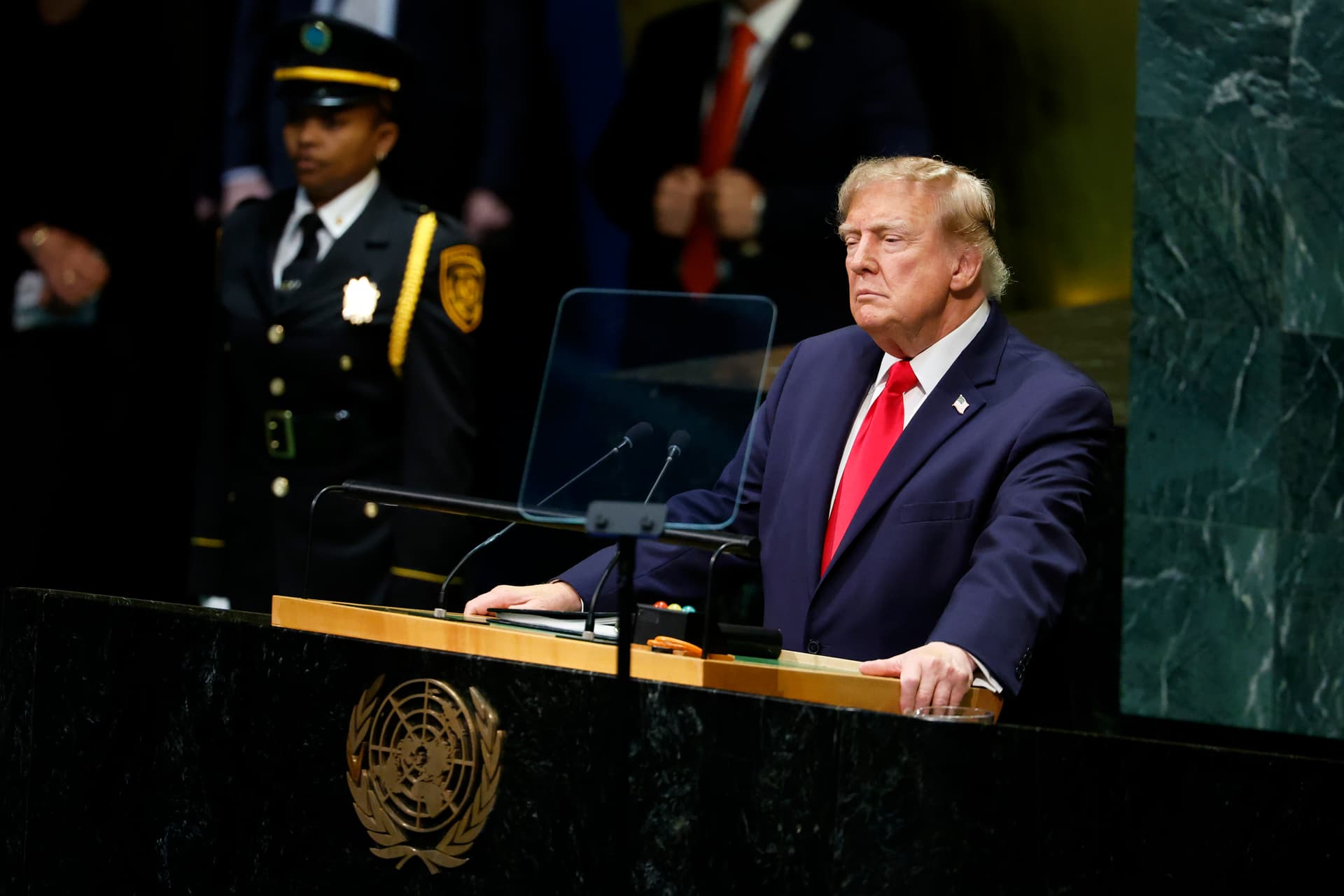
President Trump has less than a month to ready his arguments for why a Manhattan appellate court ought to toss his 34 felony convictions in the Stormy Daniels criminal case brought by District Attorney Alvin Bragg.
As the calendar turns to September, members of the 47th president’s legal team no doubt have September 29 circled on their calendars. That’s when Mr. Trump’s appellate brief is due laying out why his convictions should go the way of the Dodo — or the $500 million civil fraud judgment imposed by Judge Arthur Engoron in the case brought by New York’s attorney general, Letitia James.
Mr. Trump was convicted in May 2024 on those 34 counts of falsifying business records. The records at issue were payments, processed through the attorney Michael Cohen, to the adult film actress Stephanie Clifford, known as Stormy Daniels. The payments totaled some $420,000, and Mr. Bragg accused Mr. Trump of cutting those checks in the service of an unspecified second crime.
The Manhattan jury agreed — though per the instructions of Judge Juan Merchan, whose rulings were largely unfavorable to Mr. Trump, the members were not required to be unanimous on the nature of that second crime, only that one was contemplated. Both Judge Merchan and his adult daughter Loren had connections to Democratic politics. Judge Mechan donated a small sum to President Biden’s campaign, and Ms. Merchan had worked for a marketing firm affiliated with Vice President Kamala Harris’s campaign.
Mr. Trump called Judge Mechan “psychotic” and “corrupt” and moved — three times — for him to be recused from the case. Those efforts failed. Mr. Trump also tried to block Judge Merchan from sentencing him before the 47th president’s return to the White House. That petition went all the way up to the Supreme Court, where the justices, by a five-to-four vote, declined to interfere with Judge Merchan’s sentencing — in part because Judge Merchan had telegraphed that he did not intend to sentence Mr. Trump.
The judge let off Mr. Trump with only an “unconditional discharge,” a rare sentence that carries no prison time or even probation. Judge Merchan reasoned that he was obligated to be “respectful of the office of presidency” even as he presided over this “extraordinary case.” Mr. Trump called the proceedings a “tremendous setback for New York and the New York court system” and a “witch hunt.” Mr. Trump is determined to see the case overturned, even if there is no penalty attached. As it is a state of prosecution, he cannot pardon himself or anyone involved.
Judge Merchan wished Mr. Trump “Godspeed” on his presidency, but the convicted felon in the White House is now seeking to erase not only the discharge, but the underlying conviction. Judge Merchan rebuffed an earlier effort to dismiss the case on the basis of the United States Supreme Court’s ruling, in Trump v. United States, that official presidential acts are immune from prosecution and unofficial ones lack such protection.
Judge Merchan ruled that the convictions secured by Mr. Bragg — who is up for re-election next year — were related “entirely to unofficial conduct” and posed “no danger of intrusion on the authority and function of the Executive Branch.” Mr. Trump’s team argued that enough of the evidence adduced by the prosecutions fell “well within the core authority of the Nation’s Chief Executive” to trigger immunity.
Mr. Bragg argued that the evidence that Mr. Trump “claims is affected by the Supreme Court’s ruling constitutes only a sliver of the mountains of testimony and documentary proof that the jury considered in finding him guilty.” Judge Merchan reckoned that if any evidence was improperly admitted, its effect was “harmless.”
Mr. Trump could renew that argument on appeal, or he could challenge Judge Merchan’s jury instructions, which ordered that its members “must conclude unanimously that a defendant conspired to promote or prevent the election of any person to a public office by unlawful means,” but that they “need not be unanimous as to what those unlawful means were.”
Mr. Trump has already asked a federal appellate tribunal, the Second United States Appeals Circuit, to move the case to federal court from a state one. His team argues that a “federal officer is entitled to a federal forum, not to have those arguments heard in state court.” Those arguments were heard in June, and the circuit riders have not yet ruled.
The appeal will be filed to the New York supreme court’s appellate division — first department. That is the Empire State’s intermediate appellate court, and the same one that overturned the $500 million judgment won by Ms. James. She is appealing that decision, as is Mr. Trump.