Trump’s Trade Deal With the EU Leaves His Foes Struggling To Accept a Win
A flat 15 percent tariff will be laid on most European exports, including automobiles.

President Trump is heralding his trade deal with the 27-nation European Union while opponents of his tariff strategy will struggle to spin the agreement as a failure. The president’s foes are unable to accept when he delivers, believing that he must always lose and they must always win.
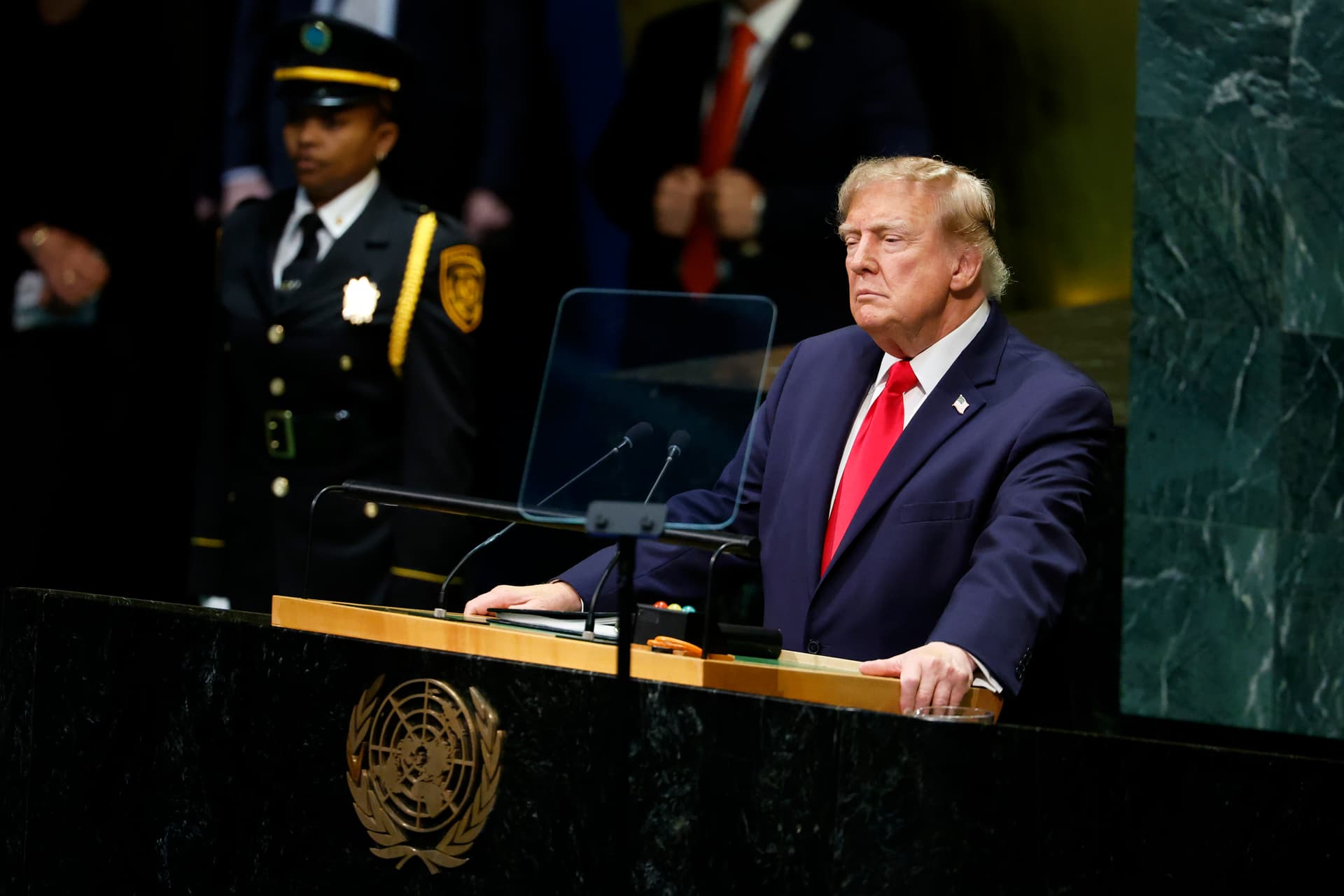
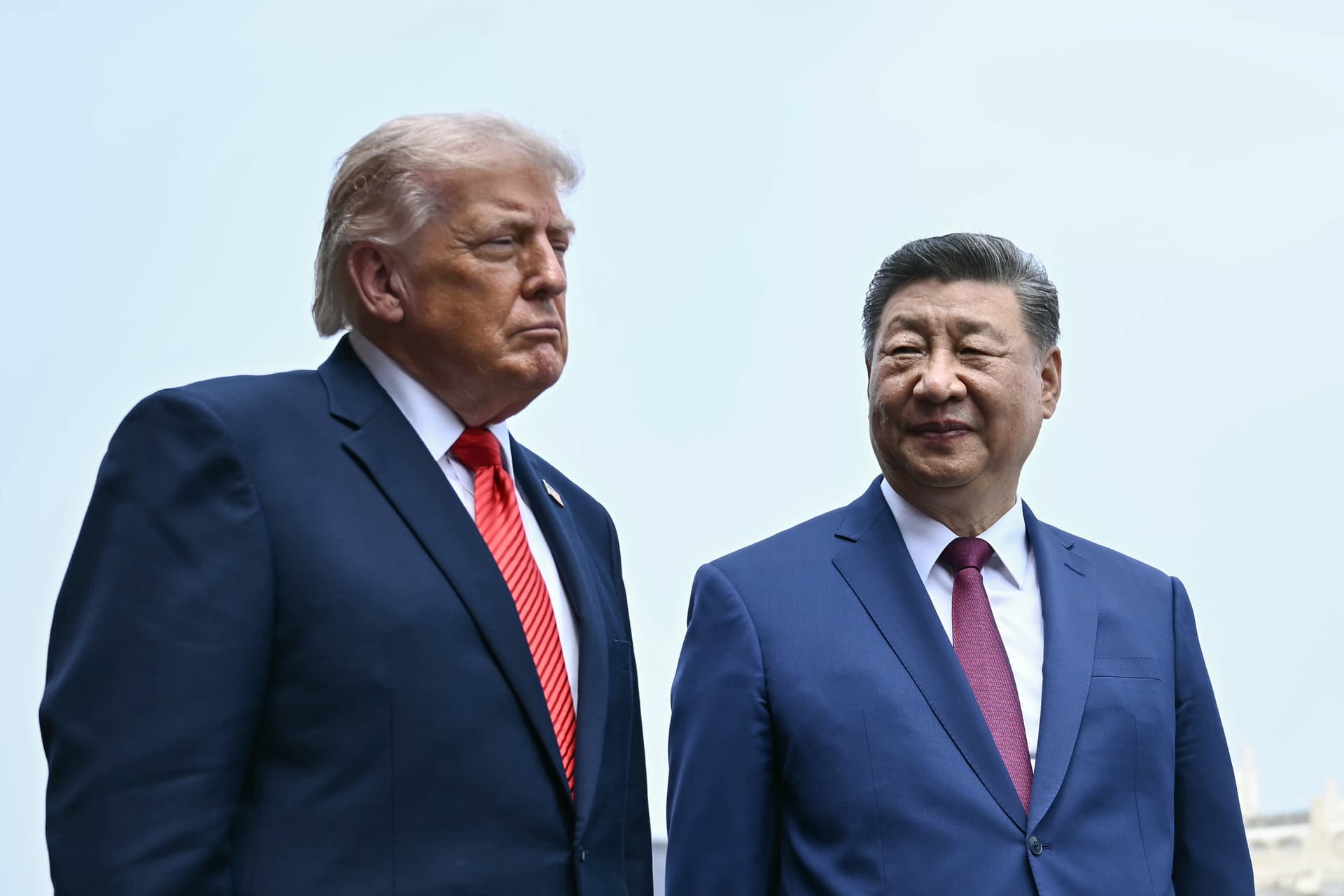
On Sunday in Scotland, Mr. Trump and the European Commission president, Ursula von der Leyen, announced a flat 15 percent tariff on most of Europe’s exports, including automobiles. The EU will also invest $600 billion in America, purchase $750 billion of energy, and lower non-tariff barriers for some other products.
“It’s a good deal,” Ms. von der Leyen announced after her meeting with Mr. Trump. “It’s a huge deal.” The president was just as gracious. “It’s great that we made a deal today,” he said, “instead of playing games.”
Yet gamesmanship is standard fare in today’s Washington. Critics complained that Mr. Trump was spending all his time abroad golfing and promoting his courses at taxpayer expense. Old rules like not criticizing a president “on foreign soil” and “politics stop at the water’s edge” died about the time America found out who shot J.R. Ewing on “Dallas.”
Those who predicted tariffs causing disaster, as if they were an end in themselves and not Mr. Trump’s means of getting countries to the table, were frustrated. They’d lost sight of America’s trade deficit with the EU, which the U.S. Trade Representative agency put at $235.6 billion last year, in favor of scoring points on the president.
That meant Mr. Trump had to lose. His willingness to give in give-and-take negotiations was cast as a weakness rather than a skill. A juvenile acronym, TACO, emerged: Trump Always Chickens Out.
Well, if this deal is Mr. Trump’s recipe for chicken, America could use another bucket with all the fixings. The compromise meets his August 1 deadline for the EU to deal or face 30 percent tariffs with “no exceptions” while avoiding the EU’s Anti-Coercion Instrument, or “trade bazooka,” being used in retaliation.
Details are being hammered out, as would be expected between the world’s first- and second-biggest economies. Many seized on this lack of “specifics,” as if hoping something negative lurks in the fine print. Others reported that Mr. Trump “backed off” his larger percent tariff “threats.”
CNN reported that “few are cheering” the deal. In remarks after the announcement, a reporter asked Mr. Trump if “part of the rush” — he never seems to move at the right speed for detractors — “to get this trade deal done” was “to knock the Jeffrey Epstein story out.”
“Oh, you’ve got to be kidding me,” Mr. Trump said. “No, had nothing to do with it. Only you would think that.” But that reporter was not alone. The walls are often reported to be “closing in” on the president; if he’s not failing now, we’re told he’ll stumble soon. There can’t be any win-wins because he must lose.
Mr. Trump tends to divide people into winners and losers. In his 1983 memoir, “The Art of the Deal,” though, he wasn’t so binary. “Deals work best,” he wrote, “when each side gets something it wants from the other.”
The best play for Mr. Trump’s opponents would be to say a good deal for America is a good deal for them. They could even claim credit by saying that they’d urged him to compromise with the EU and end what they describe as “Trump’s trade war,” as if Americans haven’t urged Washington to fight trade barriers since the dawn of the republic.
Instead, Mr. Trump’s foes are scrambling to put a negative spin on the EU deal before its final details are written. They refuse to allow that he’s even as good as a broken clock and right twice a day, stuck on blaming him for everything bad in the world — with the possible exception of having shot J.R.