

UK Moves to Outlaw Ticket Scalping, Sparking Debate on American Reforms
An American ban on for-profit reselling, like the one proposed in Britain, would represent a new form of aggressive intervention.
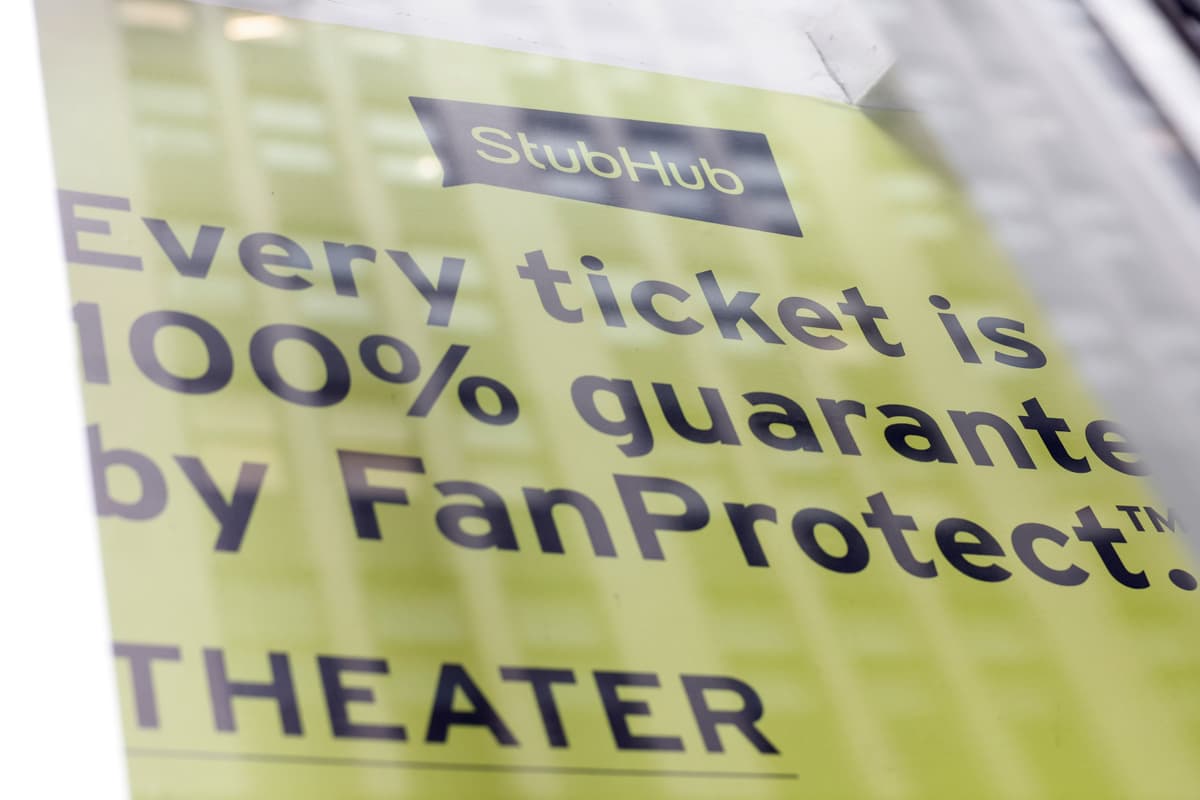
The British government is set to announce a ban on reselling tickets for profit, a move that could reshape the live event landscape and is being closely watched in the United States, where fans and artists continue to battle over similar issues.
Under the new plan, it will be illegal to resell music, theater, comedy, and sports tickets for more than their original face value. The decision follows a high-profile campaign from dozens of world-renowned artists, including Dua Lipa and the members of Coldplay, who signed an open letter urging Prime Minister Keir Starmer to protect fans from âextortionate and perniciousâ resale practices.
Resale platforms like Viagogo and StubHub, which have long been criticized for facilitating inflated prices, will be legally required to enforce the new price cap. Under the new rules, they can still charge fees, but the government will also introduce measures to limit extra fees to prevent the price cap from being undermined.
The move comes after investigations revealed the scale of the issue. According to the U.K.âs Competition and Markets Authority, tickets on the secondary market are typically marked up by more than 50 percent, with some being resold for up to six times their original cost. The Department for Culture, Media and Sport estimates the new law could save fans $142 million annually.
The UKâs crackdown raises a significant question: could similar federal legislation be enacted in the United States? The American live event market, dominated by Ticketmaster and its parent company Live Nation, faces many of the same challenges. High-profile incidents, such as the chaotic presale for Taylor Swiftâs âEras Tour,â have brought the issue of ticket access and pricing to the forefront of public and political debate.
Congresswoman Alexandria Ocasio-Cortez, the Democratic socialist from New York, has helped lead the charge against scalpers in America. âI was watching what was going on with the pre-release of Taylor Swiftâs tickets,â she told Rolling Stone. âIt came up on a more personal level; I actually have quite a few staff who were trying to get tickets that day. Between seeing their experience and seeing all the people online talking about it, I think it really showed how widespread the problem is and reflects the degree of market consolidation in this industry.â
âItâs getting to a point where if you want to see one of these large acts, thereâs so little protection for everyday people that if you go into a secondary market, we are no longer in this realm of someone even charging double what a ticket was. Tickets are going as high [as tens of thousands of dollars] after what was supposed to be a presale operation designed for people who are actually going to be using the tickets that they purchase,â she said.
Currently, American ticket resale laws are a patchwork of state-level regulations. States like New York have laws capping resale prices, but enforcement is complex and often ineffective. Other states have few or no restrictions, creating a âwild westâ environment for ticket scalpers.
During his one term in office, President Biden called for an end to âjunk feesâ and other anti-consumer practices in the ticketing industry. Meanwhile, the Department of Justice has an ongoing antitrust investigation into Live Nation. However, a nationwide ban on for-profit reselling, like the one proposed in Britain, would represent a far more aggressive intervention.
The Federal Trade Commission has also gotten into the act, filing a suit last month in the U.S. District Court in Maryland. The suit claims that one company âhid its identity to buy hundreds of thousands of tickets through the use of proxy and fake IP addresses, virtual and traditional credit card numbers, and thousands of Ticketmaster accounts. The FTC alleges the company bought at least 379,776 tickets (valued at $US57 million) from Ticketmaster over 12 months, which earned the company $US64 million on the secondary marketplace,â according to the Law Society Journal.
Proponents in Britain argue the law is necessary to protect consumers. However, resale platforms contend that price caps are counterproductive. A Viagogo spokesman told Reuters that the UK ban would not meet the desired goal, saying, âEvidence shows price caps have repeatedly failed fans â in countries like Ireland and Australia fraud rates are nearly four times higher than in the UK as price caps push consumers towards unregulated sites.â