Washington State Abandons Bid To Force Priests To Break the Seal of Confession
The state is agreeing to a settlement that keeps in place an injunction protecting priests who learn of child abuse only through the confessional.
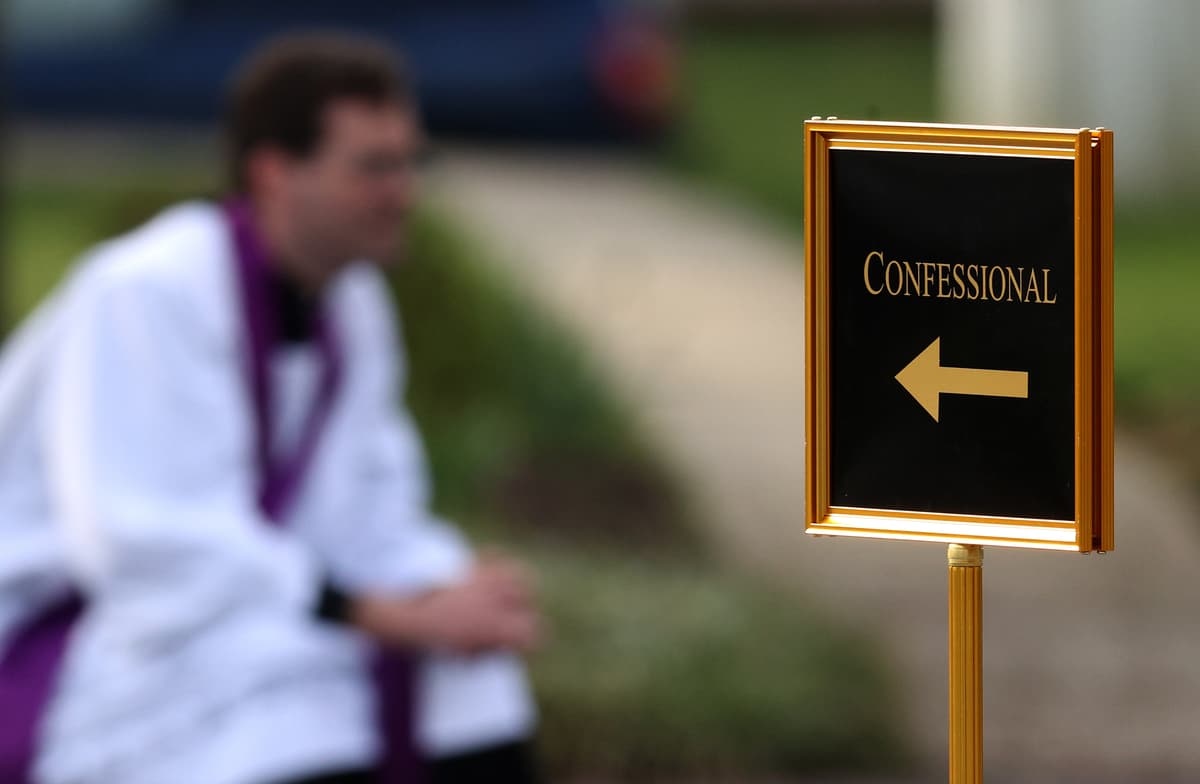

Religious freedom advocates are celebrating a promise by authorities in Washington state not to enforce a portion of a law that would have forced priests to break the seal of confession.
Earlier this year, the state passed Senate Bill 5375, which requires priests to report any incident of child abuse, even if they learn of it only through the sacrament. The law provides for penalties of up to 364 days in jail and fines of up to $5,000 for clergy members who do not comply.
The law became the subject of lawsuits from Catholic and Orthodox groups over concerns it violated the free exercise clause of the First Amendment.
They argued that the law forces priests to violate either the law or their âsacred vowsâ to keep information learned in confession confidential, risking their careers in the church.
In July, a federal judge issued an injunction that blocked enforcement of the law as the litigation proceeded.
On Friday, Washington agreed to a settlement in which it promised not to appeal the injunction or to try to enforce the law in cases involving the confessional. The law still makes the reporting of child abuse mandatory for other professionals, including teachers, child care workers, and doctors
The law was challenged on behalf of the stateâs Catholic bishops and priests by the Becket Fund for Religious Liberty, a Washington, D.C.-based nonprofit. The groupâs CEO, Mark Rienzi, issued a statement saying the state âwas wise to walk away from this draconian law and allow Catholic clergy to continue ministering to the faithful.â
âThis is a victory for religious freedom and for common sense. Priests should never be forced to make the impossible choice of betraying their sacred vows or going to jail,â Mr. Rienzi said.
The executive director of the Washington State Catholic Conference, Jean Hill, said the Catholic Church supported the lawâs goal, but wanted a ânarrow exemption to protect the sacrament.â
âWeâre grateful the state ultimately recognized it can prevent abuse without forcing priests to violate their sacred vows,â Ms. Hill said.
More than half of the states in America list clergy as mandatory reporters of child abuse. However, all but New Hampshire and West Virginia carve out exemptions for confession. Washingtonâs law was unique in that it kept in place the attorney-client privilege and similar privileges for certain other professions but not for priests.
Catholic priests who complied with the law would face excommunication, according to the Catholic Churchâs Code of Canon Law.
Clergy members in Orthodox churches can be kicked out of the priesthood if they break the seal of confession to report an incident of child abuse. The decision by lawmakers not to exempt confession while leaving other privileges in place led to allegations that the law was targeting clergy members.
The Department of Justice filed a motion to intervene in the lawsuit brought by Catholic bishops. The assistant attorney general in charge of the departmentâs Civil Rights Division, Harmeet Dhillon, said in a statement, âLaws that explicitly target religious practices such as the Sacrament of Confession in the Catholic Church have no place in our society.â
A Democratic state senator who sponsored the legislation, Noel Frame, previously suggested to NPR that churches could âchange their rulesâ to let clergy members comply with the law without facing disciplinary actions.
While the law was being debated, the Washington State Catholic Conference argued that âmost immediate indicators that a child is being abusedâ will be found âoutside of the confessional.â
âWhat is required to ensure children are protected is adults well-trained to recognize the indicators, not waiting until a confession, which may not come until years later, if at all,â the group said.
The lawsuit filed by the bishops insisted that the Catholic Church has stronger requirements for reporting incidents of child abuse than the stateâs law.