Will Netanyahu and Sisi Finalize a Megadeal at Mar-a-Lago?

‘Energy diplomacy has proven more effective than traditional foreign policy,’ an advocate of the American-Israeli relationship says.

Alex Brandon/AP
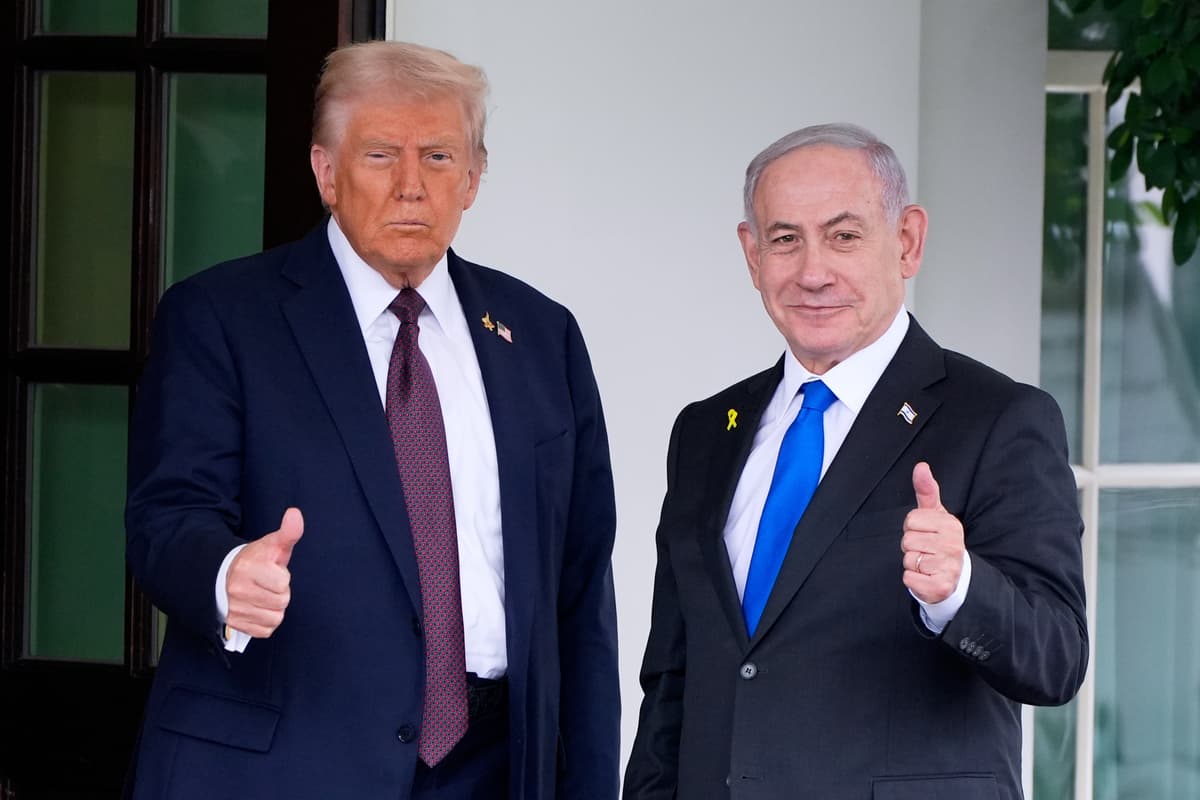
President Trump greets Prime Minister Benjamin Netanyahu of Israel at the White House on September 29, 2025. Alex Brandon/AP

Israel’s largest-ever gas-exporting deal could tighten cooperation with Egypt and shift strategic alliances in the Mideast. First, though, will President Abdul Fatah al-Sisi and Prime Minister Benjamin Netanyahu go for a handshake at Mar-a-Lago before the year’s end?

Underlying the icy relations that have followed the longest-standing peace pact Israel has signed with an Arab state, the leaders at Cairo and Jerusalem have spoken only once in the last two years. Hopes for a thaw are now rising, though, after Mr. Netanyahu’s announcement on Thursday of a $34.7 billion energy deal to supply gas to Egypt from Israel’s Leviathan field. 

President Trump reportedly pressured the two sides to finalize the agreement that has been in the works for years. “The agreement is with the American company Chevron, with Israeli partners who will supply gas to Egypt,” Mr. Netanyahu said, announcing the 15-year deal alongside the Israeli energy minister, Eli Cohen.

Egypt is yet to confirm the agreement, and the deal’s details were not disclosed to the public. The mere announcement, though, is raising hopes. “This is an important strategic deal for both countries,” a former Israeli ambassador to Cairo, Haim Koren, tells the Sun. A deal of that magnitude, he adds, could lead to better cooperation between the countries beyond gas supplies.

While Israeli and Egyptian intelligence officials have cooperated well for years, tensions were long rising and got worse after the October 7, 2023, attacks. Cairo streets often teem with anti-Israel protesters. Israel, meanwhile, is accusing Egypt of violating the 1977 peace terms by flooding the Sinai desert with heavy military assets, which Israelis fear could turn against them. 

Israel and America are also urging Cairo to allow Gazans who want to leave the Strip to do so. Concerned about a flood of radicals, though, Egypt is blocking the Rafah crossing for almost all human traffic out of the Strip.

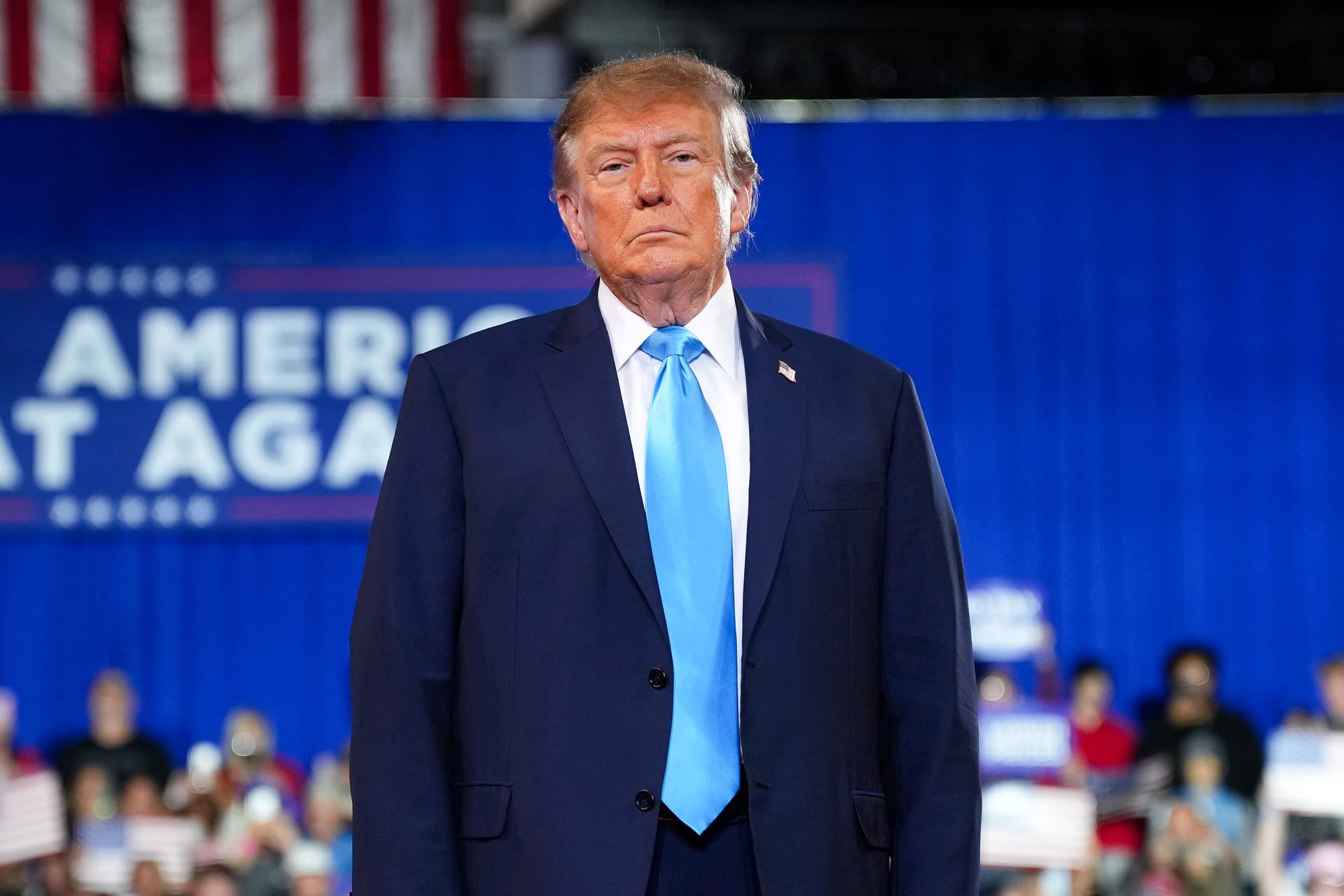
An Egyptian-Israeli summit could help bridge these and other disputes. Mr. Trump confirmed on Thursday that he expected to see Mr. Netanyahu in Florida before the end of the year, though he said details are yet to be finalized. The president also indicated that the Egyptian president might join. “Yeah, Sisi is a friend of mine,” he said. 

“Energy diplomacy has proven more effective than traditional foreign policy,” the executive director, Jennifer Sutton, of the Council for Secure America, which promotes tightened American-Israeli relations, tells the Sun. “This historic Israel-Egypt gas deal, facilitated by Chevron, strengthens U.S. leadership and regional security.”       

Israel’s recent discovery of large gas reserves could improve relations in the region beyond Egypt. In the deal, some 131 billion cubic meters of gas originated in the Leviathan field will be liquified and reportedly transferred to Egypt through a pipeline under the Mediterranean. Past attempts to send gas to Egypt through Sinai were sabotaged by frequent bombings of the pipeline by terrorists opposing Israeli-Egyptian ties. 

The deal “strengthens Israel’s alliances with friendly Mediterranean states such as Greece, Cyprus and Egypt,” a veteran military analyst, Ron Ben Yishai, writes on the Ynet website. “Israel is already a member of the East Mediterranean Gas Forum, a bloc that includes Egypt, Cyprus and Greece and serves as a counterweight to Turkey and Turkish-controlled northern Cyprus and their own energy expansionist ambitions.”

Israelis hope that signing the deal would also serve as a counterweight to ties between Egypt and Qatar, which like Turkey backs the Muslim Brotherhood and Hamas. Through its state-run Al Jazeera, Qatar is accused by Israel of sharpening anti-Jewish passions across the Arab world.  

In 2004, President George W. Bush facilitated the Qualifying Industrialized Zones, which allowed tax-free export to America of Israeli, Jordanian, and Egyptian goods. “It eased tensions between the three countries,” a Western diplomat who served at Cairo at that time told the Sun. “Like then, the current agreement could help Sisi explain to his public the need for other deals in cooperation with Israel.”

For now, though, the Egyptian public is irate over Israel’s conduct in Gaza, and Israelis are suspicious about Egypt’s military buildup on its borders, to name just two points of contention. Mr. Trump could help smooth feathers by finalizing the gas deal’s fine points. 

“This multibillion-dollar agreement will generate lasting economic and geopolitical benefits for Israel, Egypt, and the broader Eastern Mediterranean, while reinforcing key alliances and U.S. strategic priorities,” Ms. Sutton says.


The New York Sun

© 2025 The New York Sun Company, LLC. All rights reserved.

Use of this site constitutes acceptance of our Terms of Use and Privacy Policy. The material on this site is protected by copyright law and may not be reproduced, distributed, transmitted, cached or otherwise used.

The New York Sun

Sign in or  create a free account

or
By continuing you agree to our Privacy Policy and Terms of Use