After a Pitch From Trump, Baseball’s Pete Rose, Gambler and Scofflaw, Is on the Verge of a Comeback
Does anyone believe that Major League Baseball would be reinstating Pete Rose if one of the president’s whims had not demanded it?

Our polymath president should concentrate on his fields of intellectual mastery — geopolitics, macroeconomics, renaming mountains and gulfs — and spare a smidgen of American life from his perfectionist interventions. Including baseball.
Does anyone believe that Major League Baseball would be reinstating Pete Rose if one of the president’s whims had not demanded it? Never mind MLB’s lawyerly rationale that the rule against gambling by baseball people need not protect the game from deceased gamblers. MLB has aligned baseball with the zeitgeist, which is no longer persnickety about lying and contempt for norms. Exhibit A is Rose’s twice-elected rehabilitator.
MLB is a business. Business leaders often bend like willows during gusts of manufactured wind. MLB moved the 2021 All-Star Game from Atlanta because of a progressive gale about Georgia’s mild revisions of voting laws (largely re-establishing pre-pandemic arrangements) constituting “voter suppression” and “Jim Crow 2.0.” In 2024, voter suppression failed to prevent a record turnout in Georgia. Atlanta hosts this July’s All-Star Game.
Mr. Trump’s ukase (an appropriate, because tsarist, term) was for MLB to “get off its fat, lazy a–” and elect Rose to the Hall of Fame. Trump’s due diligence missed a detail: MLB elects nobody. It does not run the Hall of Fame, whose Classic Baseball Era Committee will decide Rose’s membership.
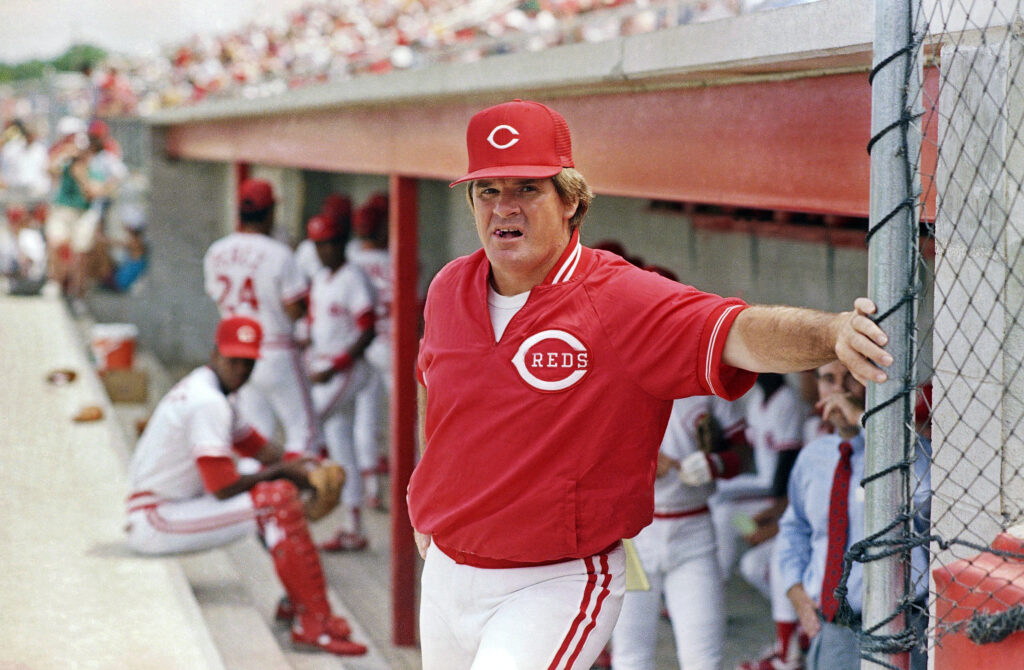
Doing so, it will decide whether the Hall of Fame is more than a museum — whether it is about more than numbers. It includes plenty of scoundrels: e.g., Ty Cobb, whose career-hits record Rose broke, who was as racist as his contemporary Tris Speaker, a member of the Ku Klux Klan and a Hall of Famer. The Hall should be primarily about numbers achieved in competition. Rose, however, was a gambler and scofflaw whose behavior jeopardized competitive integrity.
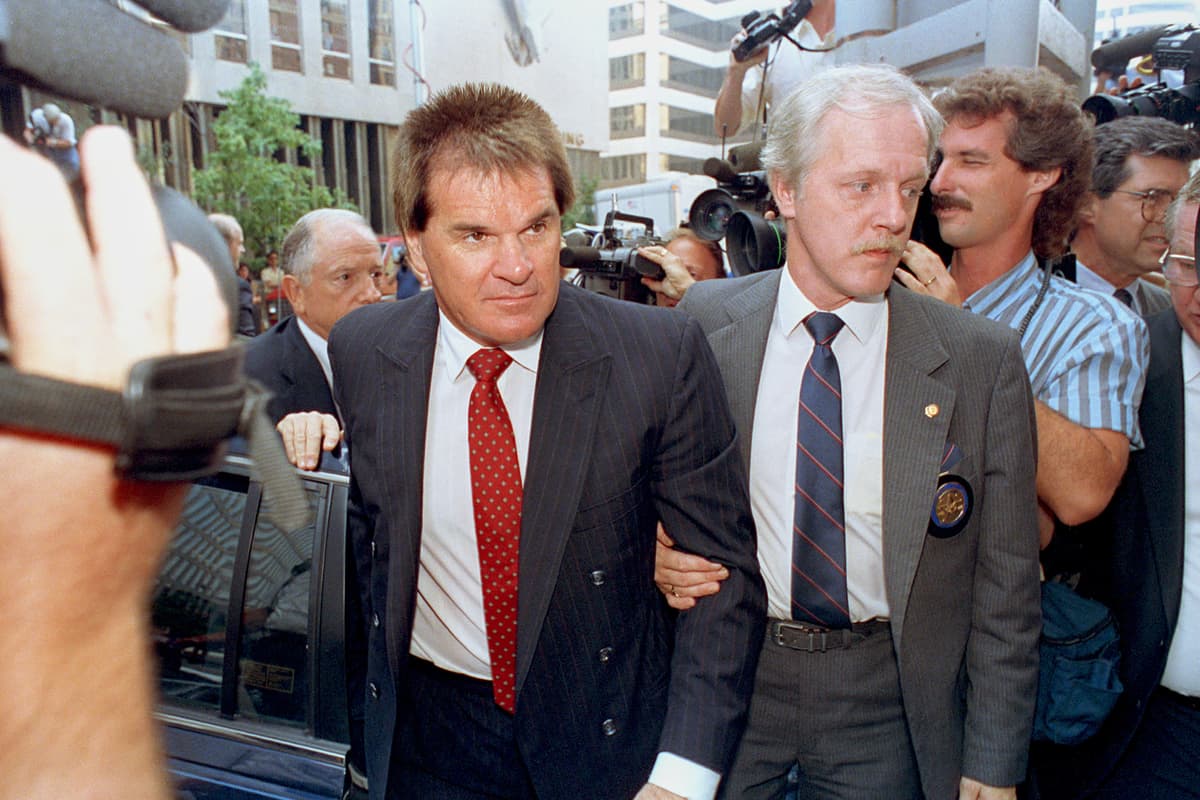
When Mr. Trump promised “a complete PARDON” of Rose, he mentioned only Rose’s gambling, not the tax evasion for which Rose was imprisoned. Rose, who played mostly for the Cincinnati Reds and then managed them, never, Mr. Trump assures us, bet against the Reds. Mr. Trump’s only evidence for this is that Rose said it during the 15 years he lied about betting on baseball. Until Rose’s second autobiography refuted the first by confessing.
“Shoeless” Joe Jackson is also made Hall-of-Fame-eligible by MLB’s action reinstating deceased players. He has the third-highest career batting average (.356) in MLB history, and batted .375 — with a then-record 12 World Series hits — in the 1919 Series he allegedly conspired to lose. Maybe he did.
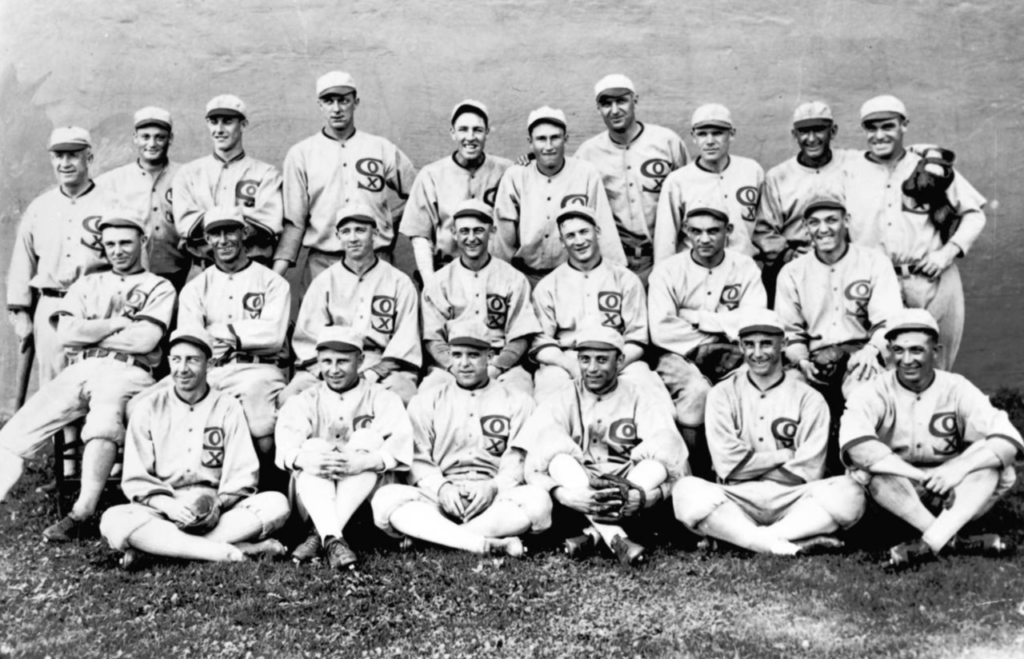
Certainly he and others were convicted in no court. And they were denied due process by baseball’s grandstanding commissioner, Kenesaw Mountain Landis, the bourbon-drinking former judge who sentenced Prohibition violators to prison and tried to extradite Germany’s Kaiser Wilhelm II.
We do not know what Jackson did. We know that Rose, a monster of self-absorption, put at risk the game’s dignity, which is inseparable from the ideal of excellence within rules. MLB’s gravest rule, its proscription against gambling, protects baseball’s integrity because a gambler within baseball communicates inside knowledge about games he does — and does not — bet on. Players whose numbers came from performance-enhancing drugs engendered a related risk and are excluded from the Hall.
When in 1989 MLB’s commissioner, A. Bartlett Giamatti, a former president of Yale University, orchestrated the settlement that made Rose permanently ineligible, Giamatti provided the nation an example of ethical standards taken seriously, an example never more needed than presently. Rose’s principal advocate has other priorities.
During the NFL draft last month, all of the 32 NFL teams, all having done their due diligence, went more than four rounds before one finally made Deion Sanders’s quarterback son, Shedeur, the 144th pick. The polymath-in-chief, incensed, announced that Shedeur “has PHENOMENAL GENES” and “should be ‘picked’ IMMEDIATELY.” Is there anything Mr. Trump doesn’t know?
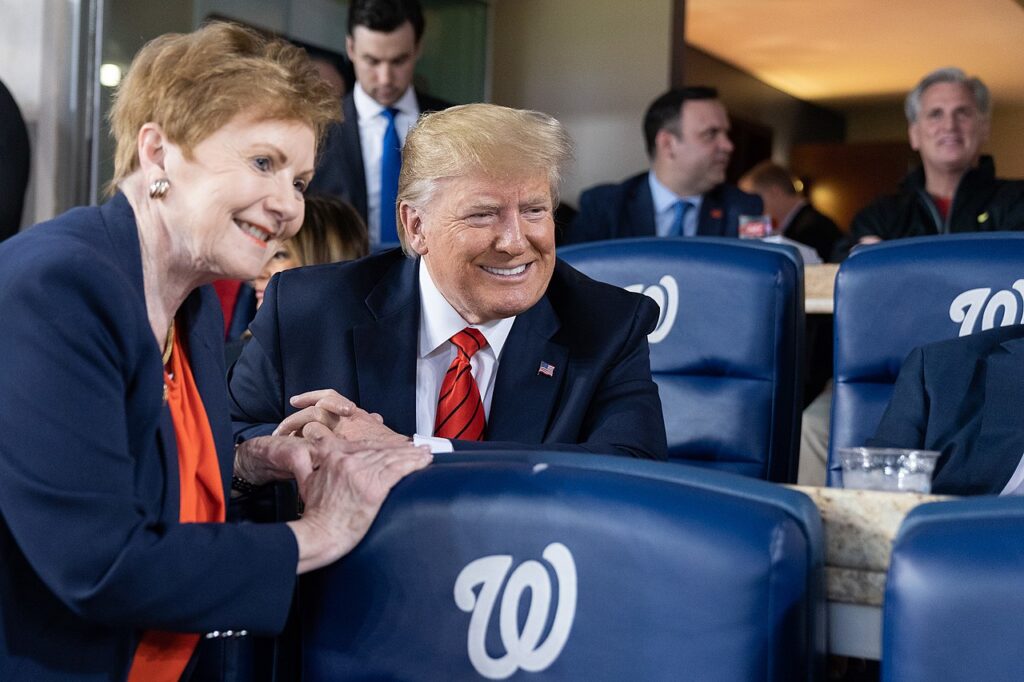
In two years, when baseball’s collective bargaining agreement has expired, the 2027 season will be jeopardized because team owners and the players union will be at loggerheads over a salary cap. Mr. Trump will still be bellowing from the nation’s bleachers, and MLB should not count on him cheering for the owners. He does know how pliable MLB is.
The Pittsburgh Pirates’s manager intermittently between 1957 and 1976, Danny Murtaugh, said he would love to have a player who homered in every at-bat, and as a pitcher struck out every batter, and always thought two innings ahead. The challenge, he said, is to get this paragon “to put down his cup of beer, come out of the stands and do those things.” Mr. Trump, the all-star in the bleachers, should occasionally stay there, and stay silent.
The Washington Post

