

With the Commissioning of a Third Aircraft Carrier, Communist China Attempts To Challenge America’s Naval Superiority
While China’s navy lags behind America’s in nuclear power, the Chinese are rapidly catching up in technology.
Communist China is challenging American naval power in the Indo-Pacific region with the commissioning of its third aircraft carrier, the Fujian, named for the province that faces the Free China province of Taiwan, 90 miles to the east across the East China Sea, or Formosa Straits.
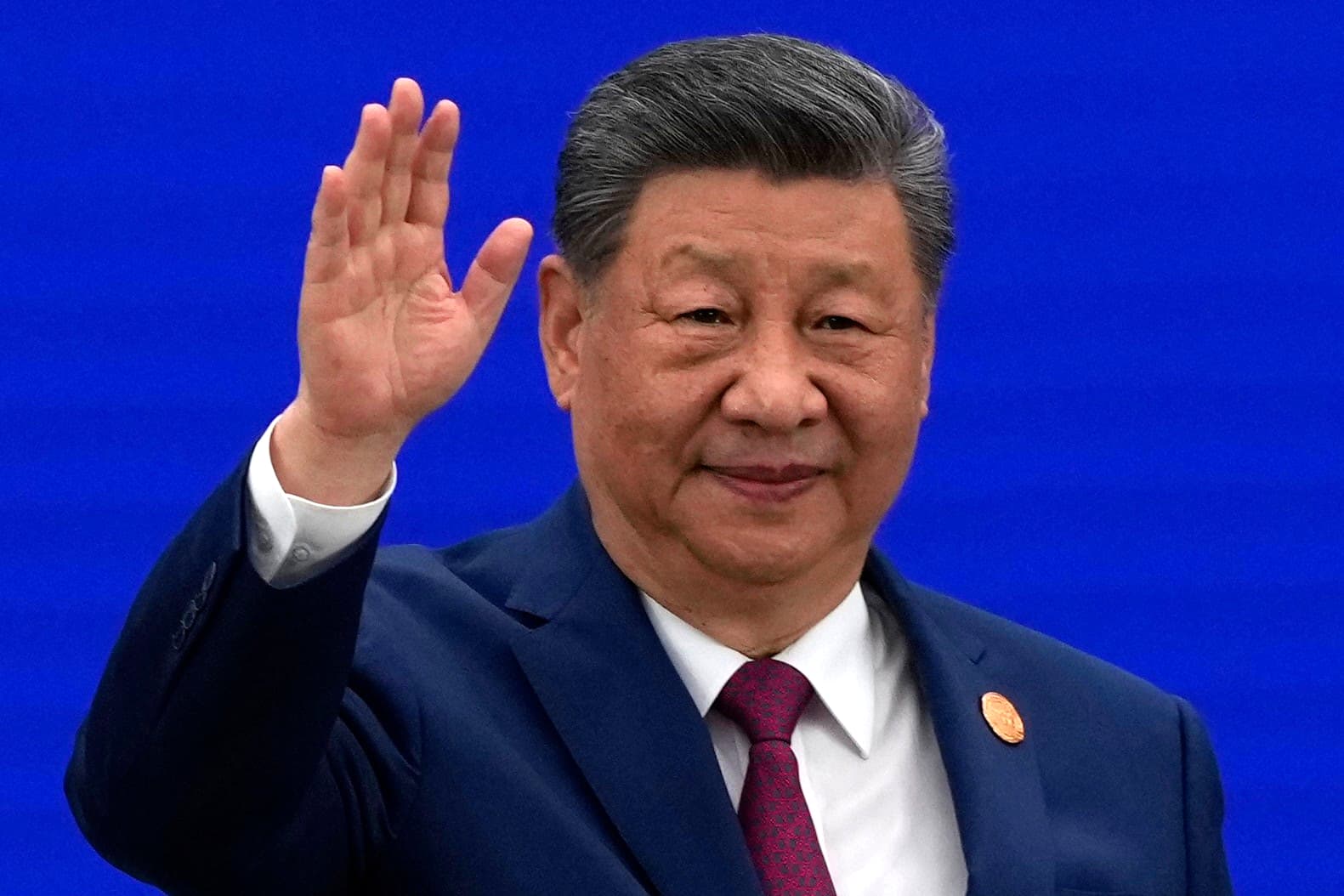
The entry of the 80,000-ton Fujian into the contest for regional influence was of such significance that China’s president, Xi Jinping, flew to Hainan Island, on the South China Sea that China claims as its territory, for the elaborate flag-raising. On the flight deck, he encouraged the pilots of fighter jets and early-warning aircraft “to keep improving their skills and expertise, and to contribute to the development of the combat capabilities of the Fujian,” according to China’s state news agency, Xinhua.
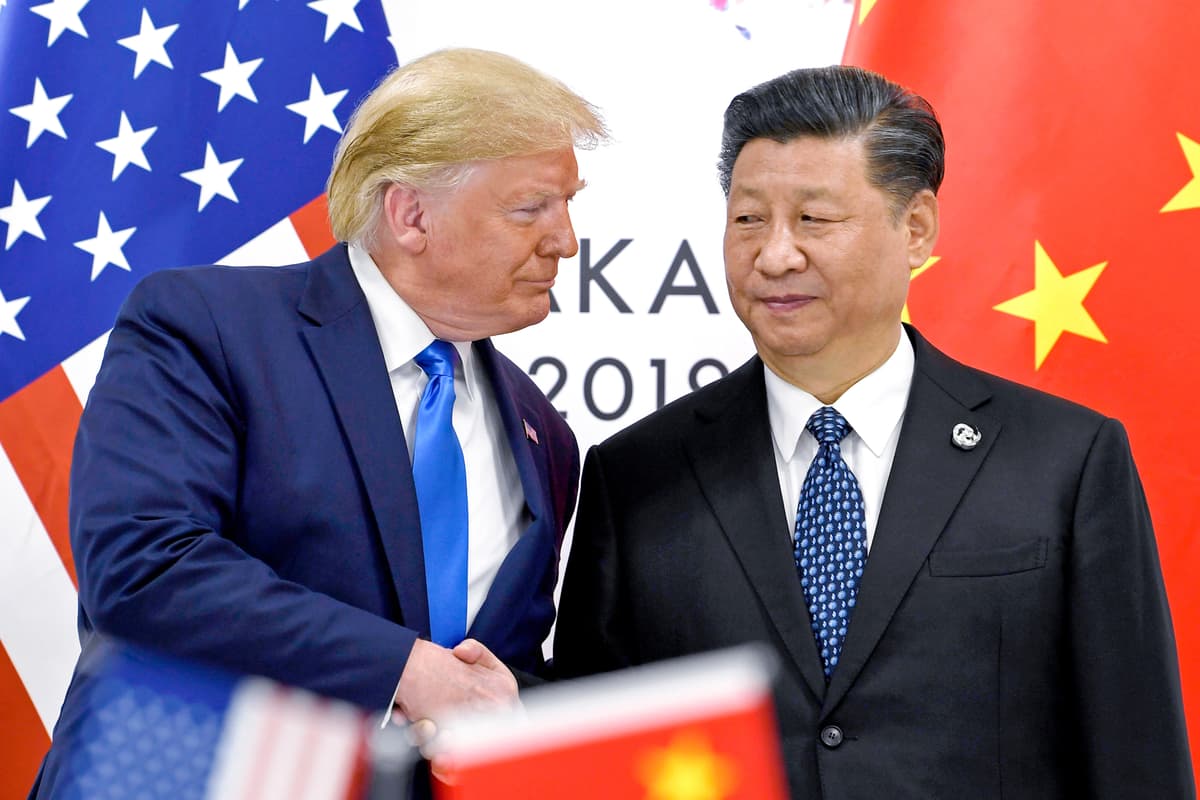
Eight days after a long conversation in South Korea with President Trump that focused on resolving trade and tariff differences in the interests of peace, Mr. Xi left nationalist commentary to “experts” extolling the carrier’s prowess.
A man identified as a “military expert,” Zhang Junshe, focused primarily on the threat the carrier poses against Taiwan, saying it would “undoubtedly have a strategic deterrence effect on the ‘Taiwan independence’ secessionist forces and some certain countries with malicious intentions toward China,” meaning America and Japan, the nations with the deepest commitment to Taiwan independence.
“The commissioning of the Fujian,” he said, “is a symbol of the achievements in the transformation” of the Chinese navy “from coastal defense to far seas defense.’
In a showdown, the diesel-powered Fujian would be no match against America’s 11 carriers, all nuclear-powered; three are in the Pacific operating out of Yokosuka on Tokyo Bay as well as Guam and Hawaii. Two more American carriers were reported on the way, giving the Americans a heavy edge over China’s three carriers.
While China’s navy lags behind America’s in nuclear power, the Chinese are rapidly catching up in technology. The Fujian is the first Chinese carrier to launch planes off the deck with electromagnetic catapults similar to those on American carriers, and it’s also the first completely Chinese carrier. The original Chinese carrier was made in Russia, while the second was of Russian design. The Fujian was launched in 2022, but its pilots did not begin training on electromagnetic catapults until last year.
The rivalry in carriers conflicts with attempts by South Korea’s president, Lee Jae-myung, to tamp down tensions. South Korea has opposed American requests to base troops in South Korea for use elsewhere in the region, especially in a contest with China around Taiwan.
Due to such sensitive issues, an aide to Mr. Lee told Yonhap News that Washington and Seoul have delayed issuing a “fact sheet” on their talk. “The joint fact sheet would outline the details of plans and commitments regarding South Korea’s $350 billion investment package and other key alliance issues,” Yonhap reported.
Among the most contentious: “Seoul’s bid to secure fuel supplies.” Mr. Trump while in Korea approved construction of a South Korean nuclear submarine at the Philadelphia shipyard but did not elaborate on details, including the use of nuclear fuel.