Would a Putin–Trump Pact on Ukraine Echo the West’s Betrayal of Poland After World War II?
At risk is a repeat of the postwar abandonment of allies and friends in Eastern Europe, leaving them for decades of Soviet rule because it was deemed expedient.

The current geopolitical moment is often compared to Chamberlain’s betrayal of Czechoslovakia in 1938. Yet there is another point in history that could be used as an example equally well.
In 1944, Stalin, sensing victory approaching, demanded that part of Poland be recognized by the Allies as part of the Soviet Union. Instead of rejecting the demand, the Allies ultimately put pressure on the Poles to accept Stalin’s redrawn borders. Sounds familiar.
When the Polish prime minister, Stanisław Mikołajczyk, refused to accept the ultimatum, Churchill exploded: “You are no Government if you are incapable of taking any decision. You are callous people who want to wreck Europe and then to run away to your own troubles.”

The British prime minister added: “What did you put into the common pool? You may withdraw your divisions if you like. You are absolutely incapable of facing facts. Never in my life have I seen such people.”
Churchill was, in effect, calling the Poles selfish for demanding the preservation of the Polish state. Yet the Allies had no excuse for leaving Poland to the Soviet Union, betraying a country that had sacrificed so much for the freedom of Europe.
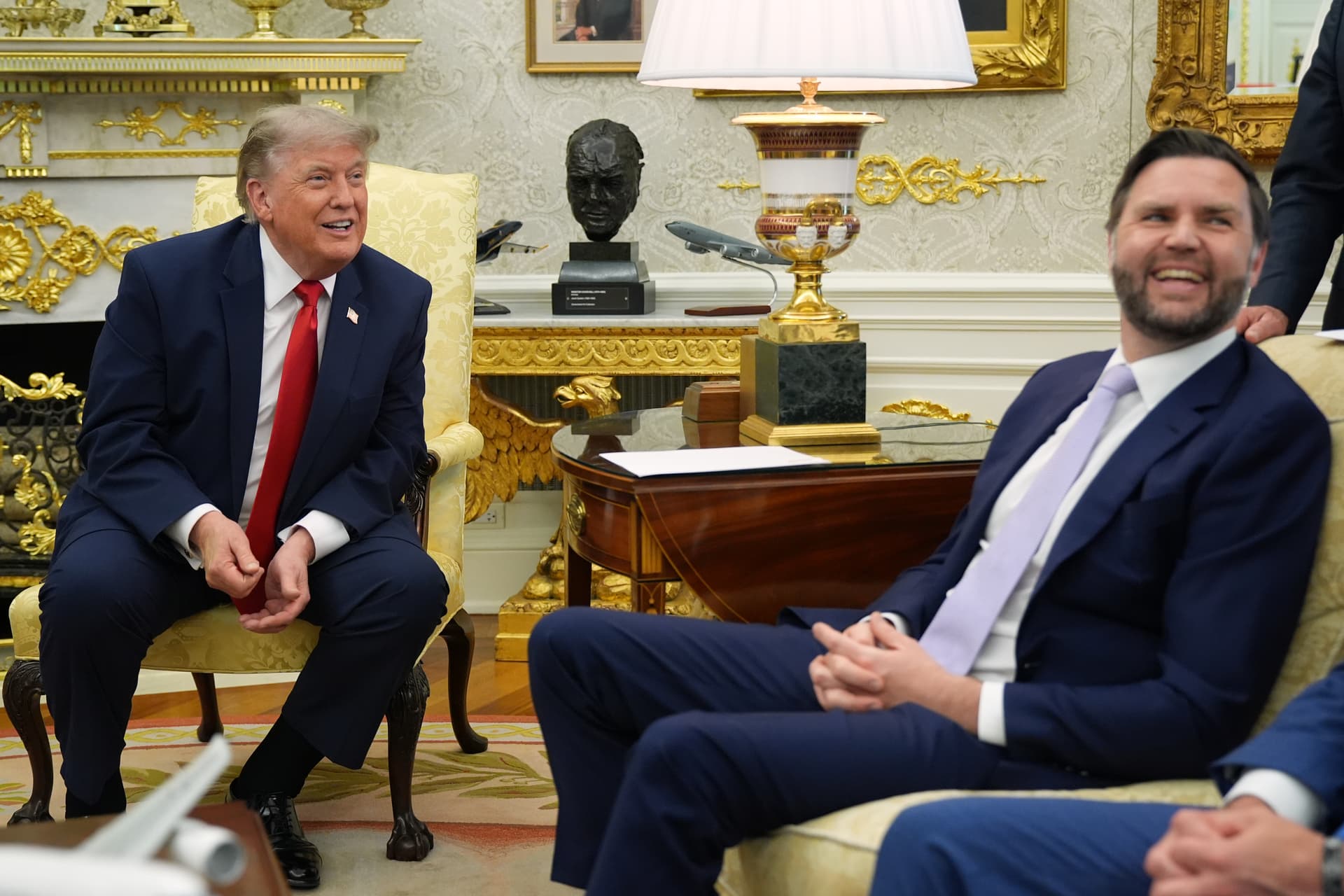
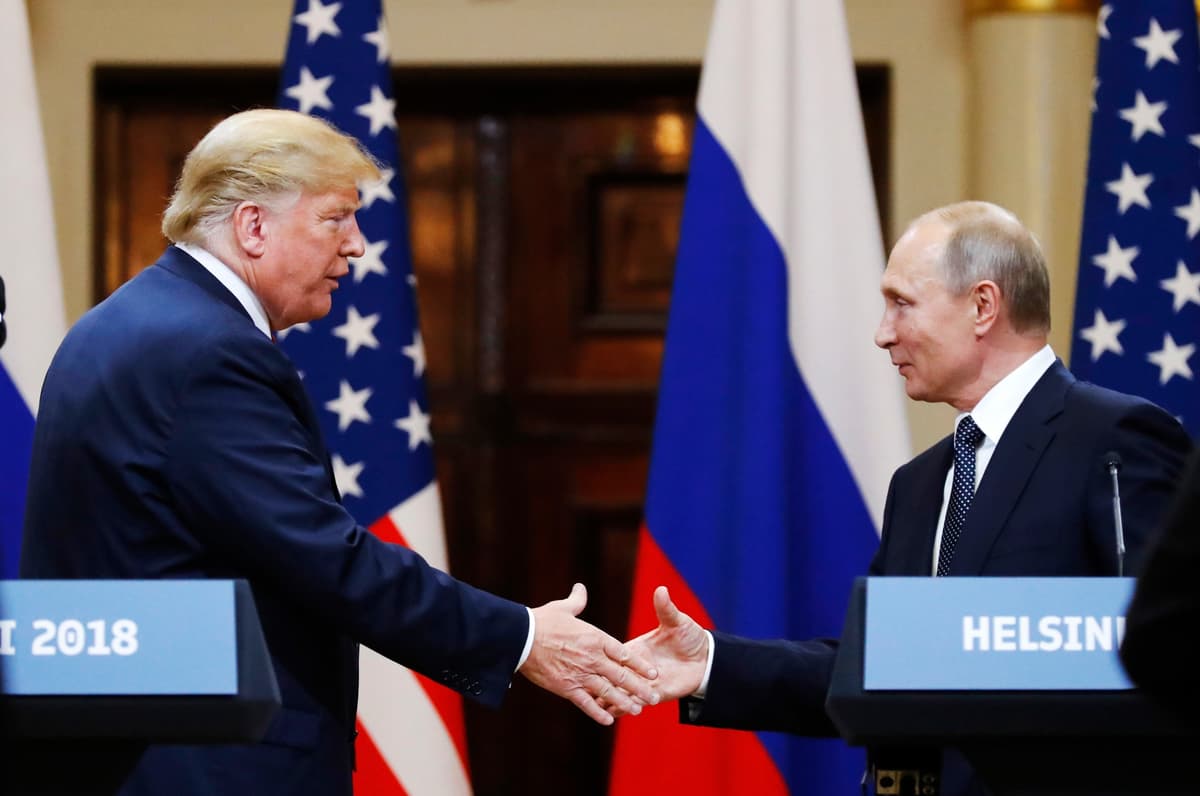
What President Trump is doing with President Putin should come as no surprise. He never hid the fact that he intends to have a “deal” with Mr. Putin. He has shown little interest in what that would mean for Ukraine or for European security. The doing of the deal was always his sole interest.

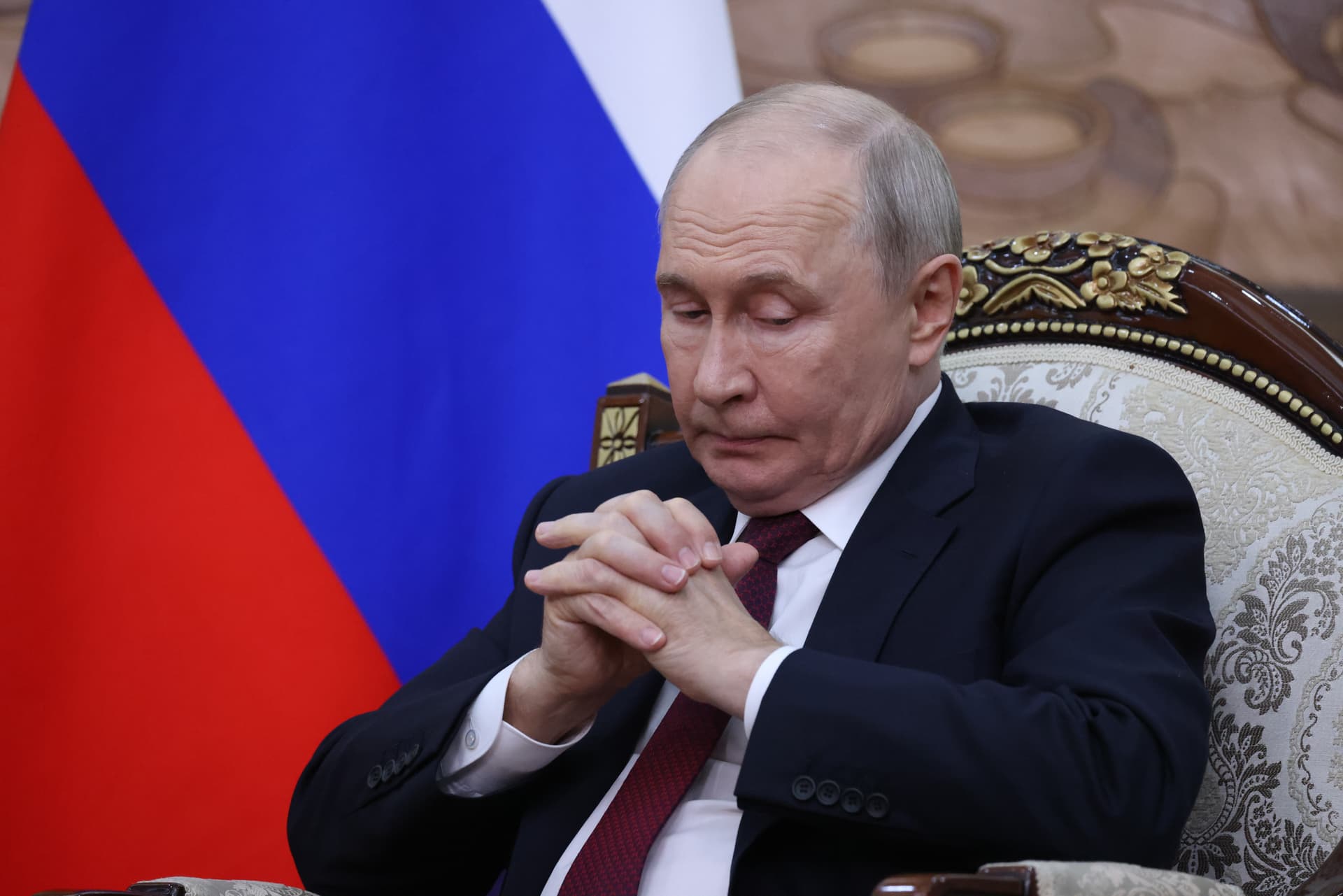
Mr. Putin was ready to oblige, but only if the deal were on his terms. Currently he wants part of Ukraine. Yet Mr. Putin’s ultimate goal has never changed: He will be going after Ukraine’s — and, when he sees a chance — Europe’s jugular. So here we are, reading Mr. Putin’s script in a Putin-Trump pact.
It is also easy to predict what Ukraine might do with this. President Zelensky’s position looks clear: He rejects the pact; there is no way Ukraine can accept a capitulation. Not while it is still able to fight and still has allies that can support that fight.
The unanswered question is what Europe is prepared to do now. Is Europe going to follow Mr. Zelensky’s example and continue to reject a Putin-Trump pact? I am sure there are those who already think that pressing Ukraine to give up is the best path forward. Some might even think Ukrainians are “callous” for making demands.

From the point of view of a war-weary western decisionmaker, a Putin-Trump pact might seem tempting. It might achieve a ceasefire, no matter how temporary, they ponder. It makes the war somebody else’s problem, they say to themselves. Plus, they say, we need to do what we can to appease Mr. Trump, especially if he were to threaten to abandon Europe.
To proponents of the messy redrawing of borders I say: We have been here before. One of the most shameful moments of World War II was the abandonment of allies — friends — who fought alongside the British and the Americans, leaving them for decades of debilitating Soviet rule, because it was deemed expedient, or as they used to say, “there was nothing we could have done.”
That defeatist shrugging isn’t so convincing this time. We all know there are things we can do. We can help Ukraine. We can treat Ukraine as a true ally that has been fighting not just alongside us, but for us. There would be no hiding behind empty words. Whereas, endorsing the pact or pressuring Ukraine to accept it would bring generational shame.

Victors avoid judgement — that is why we seldom remember the words of Churchill to Mikołajczyk. Yet Europe is not a victor right now. It is on the path to be the next victim. So, if nothing else, self-preservation must kick in, convincing European countries that allowing the alteration of borders by force would be a suicidal move.
In the end, a Putin-Trump pact’s power would depend on others supporting it. The honorable thing to do would be not to support it. If Europe stands with Ukraine, the pact will last for just a short moment in Alaska.
Adapted from remarks on the author’s X account.