‘Yes, but’ Appears To Be the Strategy of Hamas in the Reply It Is Drafting to Trump’s Plan To End the War in Gaza
Death by a thousand cuts could be Hamas’s answer to a plan of 20 points the terrorists see as a total capitulation.
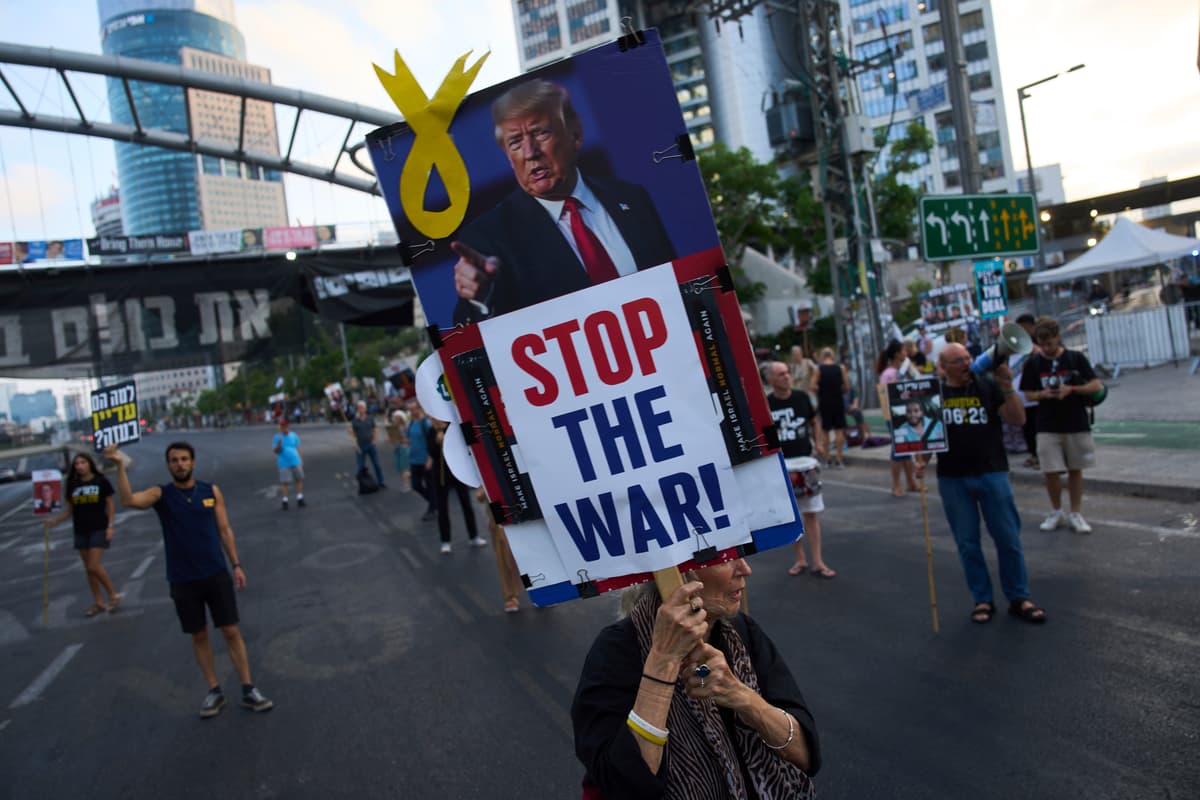
President Trump says he expects Hamas to reply to his Gaza plan before the end of the week. Yet even if the terror organization’s answer is positive, it will likely be a “yes, but,” amounting to dealing the plan a death by a thousand cuts.
Hamas officials consider the 20-point roadmap that Mr. Trump unveiled Monday alongside Prime Minister Benjamin Netanyahu as total capitulation. Yet, despite reports that Hamas will say “no,” a full-throated rejection of the plan, which is endorsed by top Arab, Muslim, and European leaders, is unlikely. A qualified positive answer, then, could well be the only solution available to Hamas.
The preferred strategy “is to renegotiate details and water them down in order to make the plan collapse under its own weight,” a Hamas watcher at the Jerusalem Center for Security and Foreign Affairs, Jonathan Dahoah Halevi, tells the Sun. For the jihadists, the Trump roadmap to a cease-fire is “suicide,” and “a betrayal of their most fundamental ideals,” he says.
Mr. Halevi cites an article in an official Hamas newspaper, Falasteen, in which a top Muslim Brotherhood intellectual, the Beirut-based Basem al-Qasim, argues that rejecting the Trump plan outright is not feasible. It would turn the entire world against Hamas, including “allies or supporters of Hamas, such as Qatar, Turkey, and Pakistan,” Mr. Qasim writes.
Rather than a complete rejection, the writer adds, “Hamas can preserve its principles through a pragmatic stance.” It should “welcome any initiative that stops the aggression and alleviates suffering, while reserving judgment on unclear clauses, and absolutely rejecting those that touch on national rights.”
The idea of qualified endorsement of the 20-point plan while objecting to some of its prominent details is gaining steam among Hamas’s sponsors at Ankara and Doha as well. Turkey and Qatar implicitly doubt the plan’s details even after Mr. Trump offered them incentives to lean on Hamas to accept his plan in full.
A new executive order, signed by Mr. Trump on Monday, promises Qatar an unprecedented American defense umbrella. The administration is also advancing negotiations to return Turkey to the F-35 stealth fighter jet program. Yet Ankara and Doha are hinting they could challenge some details in Mr. Trump’s plan and ask to renegotiate them.
“Everyone agreed on stopping the war, preventing displacement, and the full withdrawal of the Israeli army,” Prime Minister Mohammed bin Abdulrahman al-Thani of Qatar told Al Jazeera Wednesday. Yet, he added, the plan has some “practical and implementation challenges” that will need “clarification and negotiation.”
The White House, at least for now, is cool to any changes. There is “not much” room for negotiation, Mr. Trump told reporters on Tuesday, adding he expected a Hamas answer in “three or four days.” Hamas, he said, “is either going to be doing it or not, and if it’s not, it’s going to be a very sad end.”
The remaining Hamas leaders who are based in Qatar tend to endorse the plan “with adjustments,” the BBC reported Thursday. Hamas leaders in Gaza tend to reject it. The British broadcaster cites the organization’s second most senior military commander at Gaza City, Izz a-Din al-Hadad, as saying that the Trump plan “was designed to finish Hamas, whether the group accepts it or not.” So the group is “determined to fight on.”
Hamas’s Gaza terrorists are holding most of the remaining 48 Israeli hostages, including 20 living ones. According to the 20-point plan, these hostages are scheduled to be released within 72 hours after a cease-fire agreement is reached. The Palestinian Islamic Jihad, which holds some of the hostages, has formally rejected the Trump plan.
The main decision on what to do with the 20-point plan “is not at Doha, but in Gaza,” a veteran military affairs analyst for Israel’s N12 television, Ehud Ya’ari, said this week. Hamas in Gaza is objecting to importing colonial foreigners to rule Gaza, including a former British prime minister, Tony Blair, who will preside over a transitional government in the Strip, according to the plan.
“They can’t bring Satan, so they got Tony Blair instead,” Mr. Yaari quotes Gazans as saying.
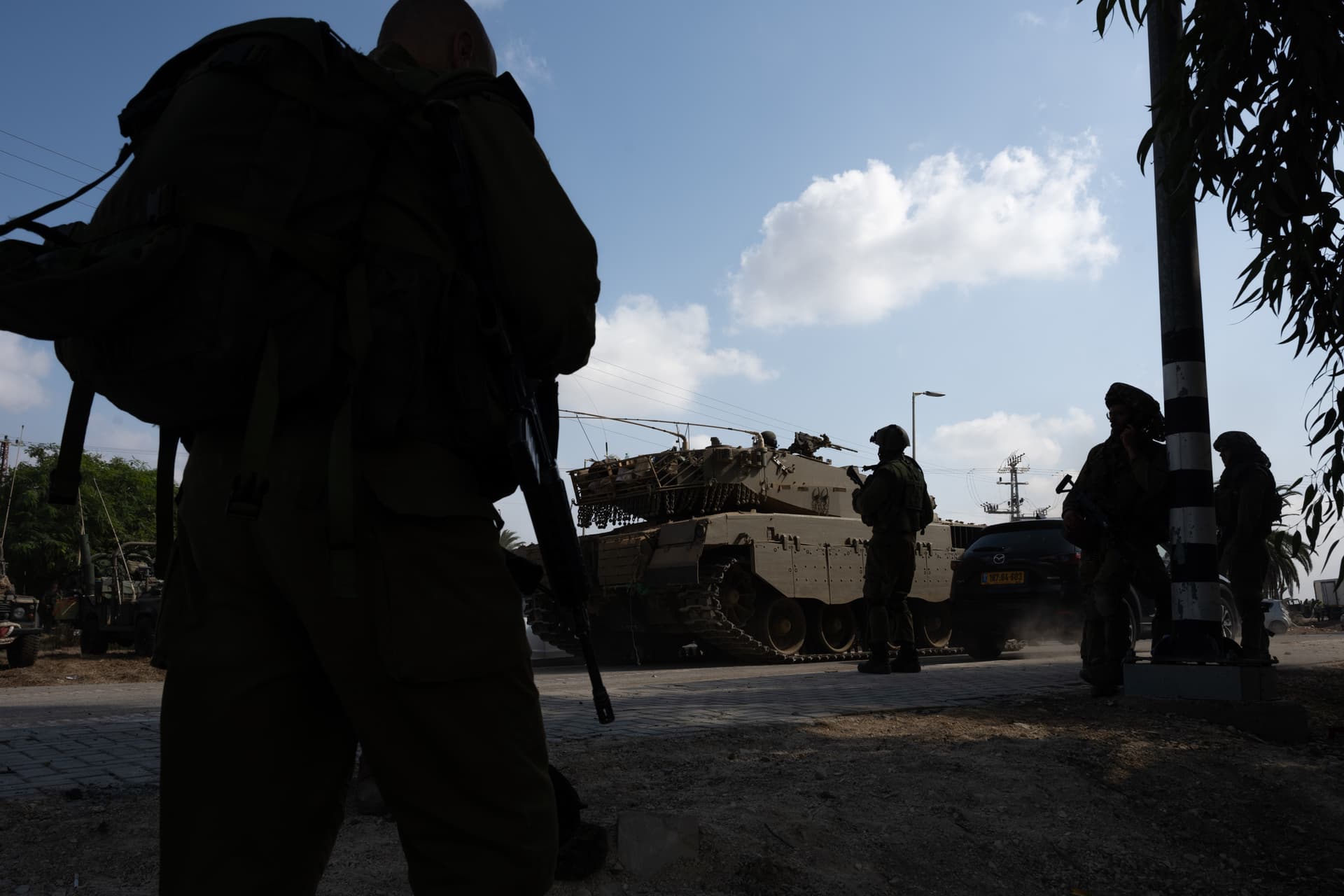
As Qatar and Egypt lean on Hamas to give at least a qualified positive reply to Mr. Trump, the Israel Defense Forces are intensifying their military pressure at Gaza City, slowly destroying terror capabilities there. That assault could ultimately weigh on Hamas leaders’ minds more heavily than any other factor.