You’re Not Delulu: The Cambridge Dictionary Just Got a Lot More Skibidi

Lexicographers added 6,000 new words that ‘have grown in use across social and mainstream media.’
AP Photo
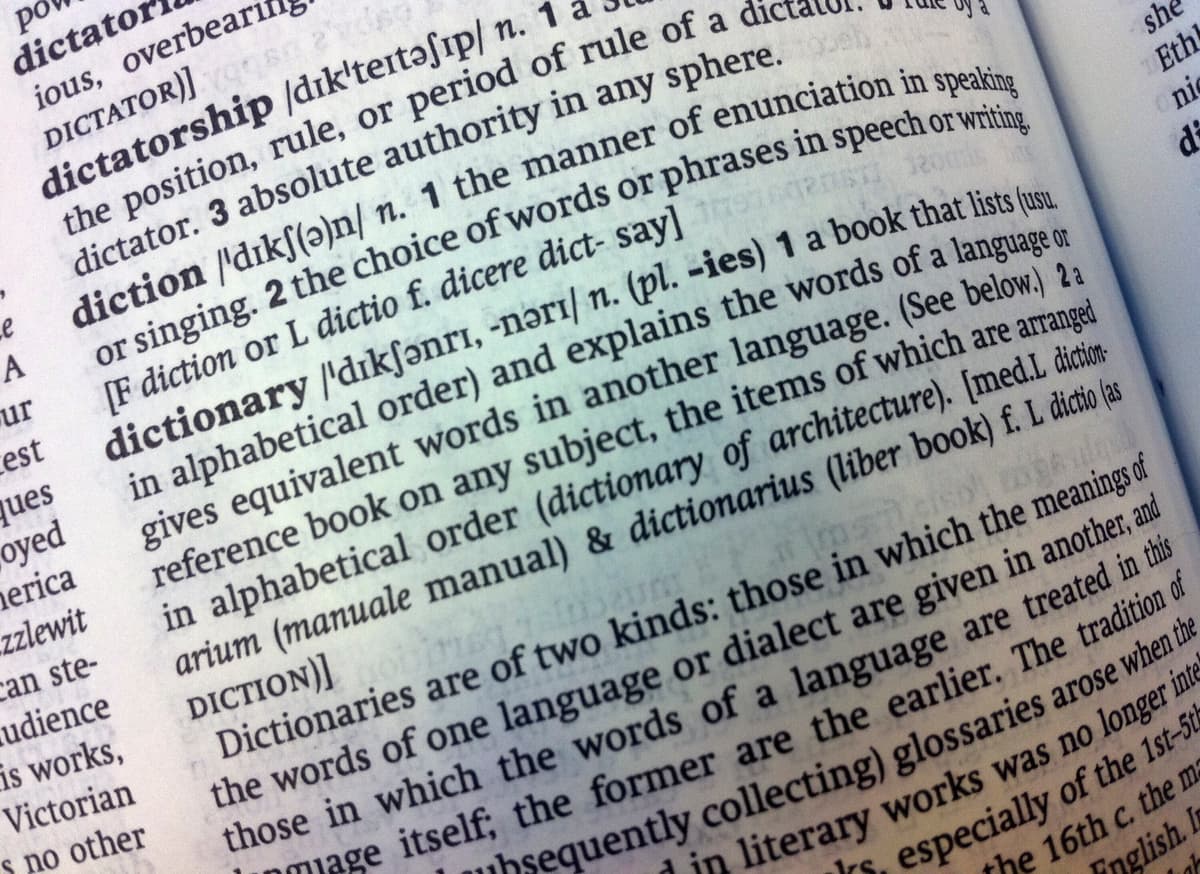
An entry in the Oxford English Dictionary, defining a dictionary, pictured August 29, 2010. AP Photo

If you’ve ever felt like the English language is evolving at the speed of a TikTok scroll, you’re not wrong. The Cambridge Dictionary has officially added 6,212 new words and phrases to its online edition this year, confirming that terms born from internet culture are now firmly embedded in our everyday vocabulary.

So, if you hear someone say, “That wasn’t very skibidi rizz of you,” don’t panic. It’s just the sound of language in motion.

Among the new entries are “delulu,” a playful take on “delusional,” and “skibidi,” a versatile term that can mean “cool,” “bad,” or nothing at all. These additions reflect a trend in which online slang, once confined to niche communities, is breaking into the mainstream.

“It’s not every day you get to see words like skibidi and delulu make their way into the Cambridge Dictionary,” the dictionary’s lexical program manager, Colin McIntosh, said. “We only add words where we think they’ll have staying power. Internet culture is changing the English language and the effect is fascinating to observe and capture in the dictionary.”

The journey of these words to dictionary entries from memes is a fascinating one. “Delulu” originated in K-pop fan circles about a decade ago to describe obsessive fans, but has since broadened its meaning. It even made a surprise appearance in the Australian parliament when Prime Minister Anthony Albanese declared his opponents “delulu with no solulu.”

“Skibidi” owes its existence to a bizarrely viral YouTube series, “Skibidi Toilet,” which features animated human heads popping out of toilets. Despite its nonsensical origins, the term has become a staple for Gen Alpha.

The dictionary’s new additions also capture broader cultural shifts. “Tradwife,” a portmanteau of “traditional wife,” describes a social media trend in which influencers glorify traditional gender roles. Meanwhile, “broligarchy” (bro + oligarchy) has emerged to describe the powerful, wealthy men of the tech world, like billionaires Jeff Bezos, Elon Musk, and Mark Zuckerberg.

It’s not just new words that are being recognized. Existing terms are also getting updated definitions. “Snackable,” once reserved for tasty treats, now describes short-form online content perfect for quick consumption. Similarly, “red flag” and “green flag” have been officially recognized for their popular use in describing desirable or undesirable traits in a partner.

Other notable entries include:

Lewk: A stylish twist on “look,” used to describe an impressive or unusual outfit, popularized by the show RuPaul’s Drag Race.

Inspo: A shortened form of “inspiration,” often used on social media.

Mouse jiggler: A device or software that mimics mouse activity, a clever invention of the remote work era.


The New York Sun

© 2025 The New York Sun Company, LLC. All rights reserved.

Use of this site constitutes acceptance of our Terms of Use and Privacy Policy. The material on this site is protected by copyright law and may not be reproduced, distributed, transmitted, cached or otherwise used.

The New York Sun

Sign in or  create a free account

or
By continuing you agree to our Privacy Policy and Terms of Use