

A Race Against Time and Implausibility
Despite melodramatic and manipulative flourishes, ‘The Runner’ finds its footing.
By CARLOS SOUSA
||Arts+

Mr. Sousa has written marketing content for publications, websites, and corporations, including the New Yorker, ELLE, Vulture.com, and General Motors, for over 20 years. Immersed in old world culture and contemporary entertainment as a Portuguese-American dual citizen, and having studied the history of the arts at Rutgers University, he specializes in film and music criticism.
Despite melodramatic and manipulative flourishes, ‘The Runner’ finds its footing.
By CARLOS SOUSA
||Arts+
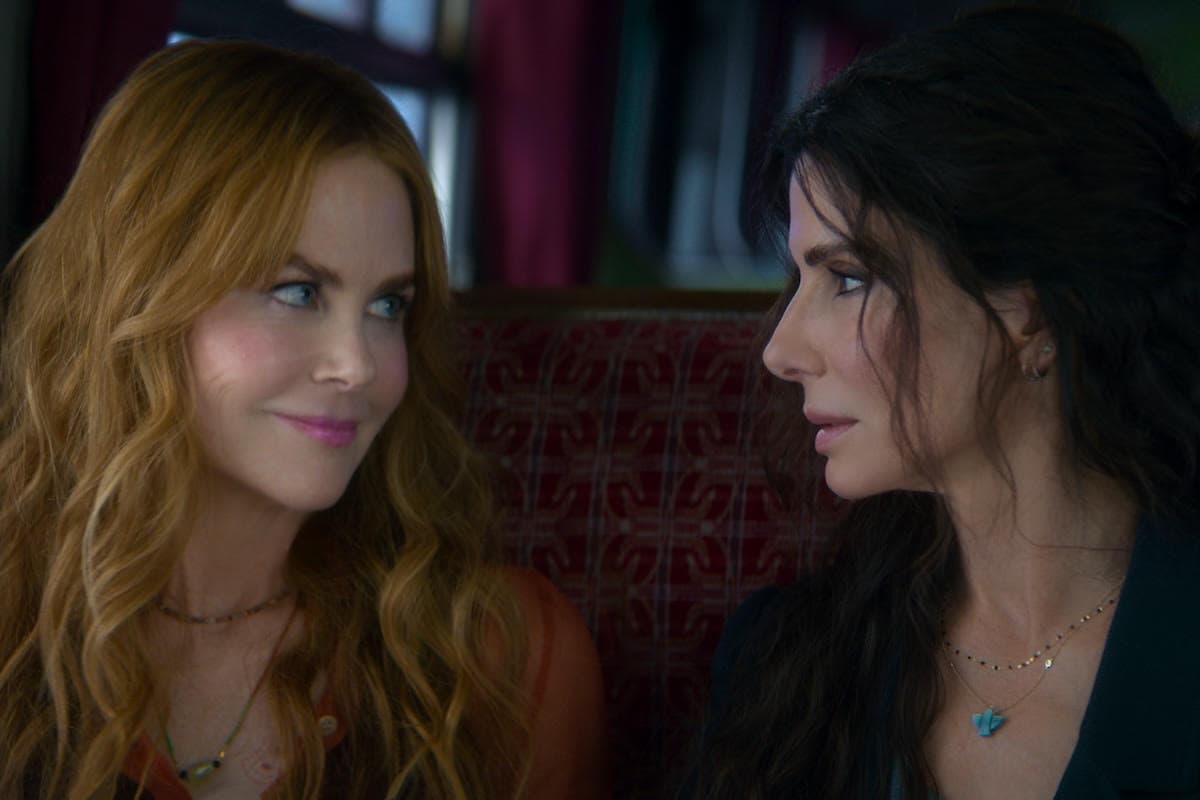
Nicole Kidman and Sandra Bullock’s bond saves a film with a thin plot and uninspiring visuals.
By CARLOS SOUSA
||Arts+
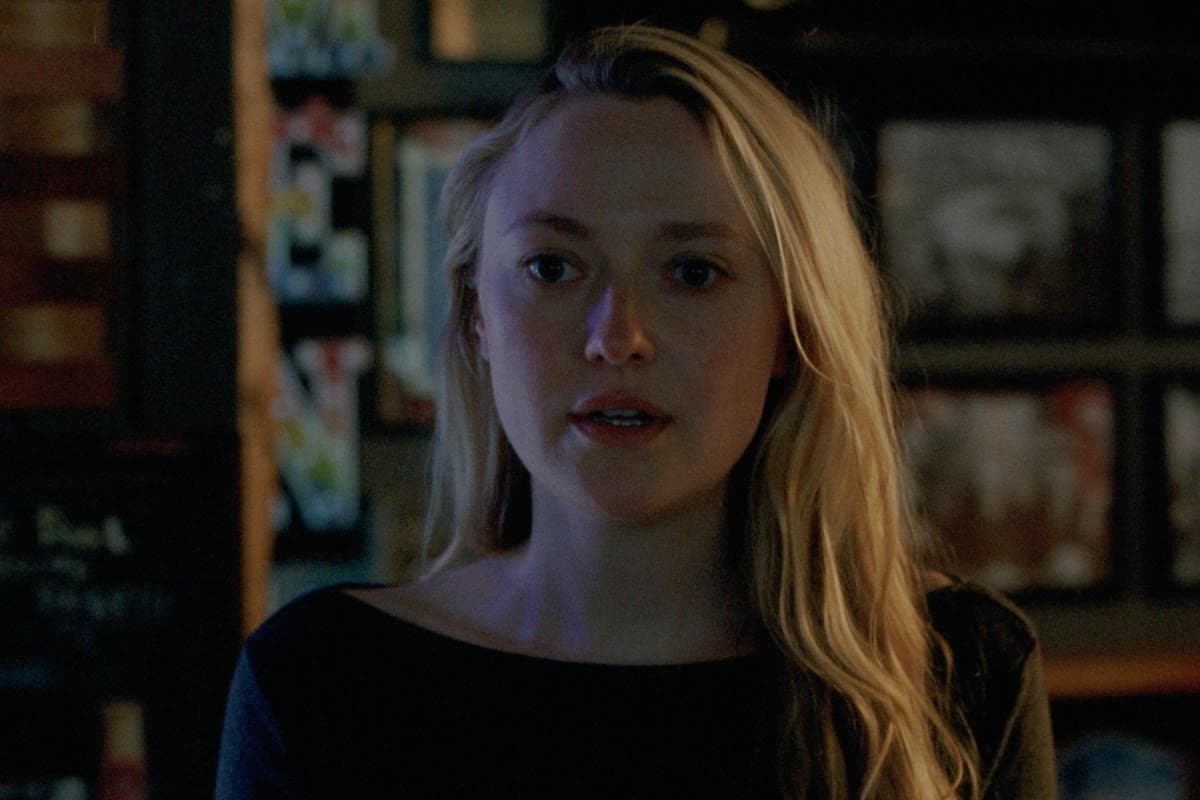
Indie director Joe Swanberg’s new film bewilderingly settles for rom-com blandness.
By CARLOS SOUSA
||Arts+
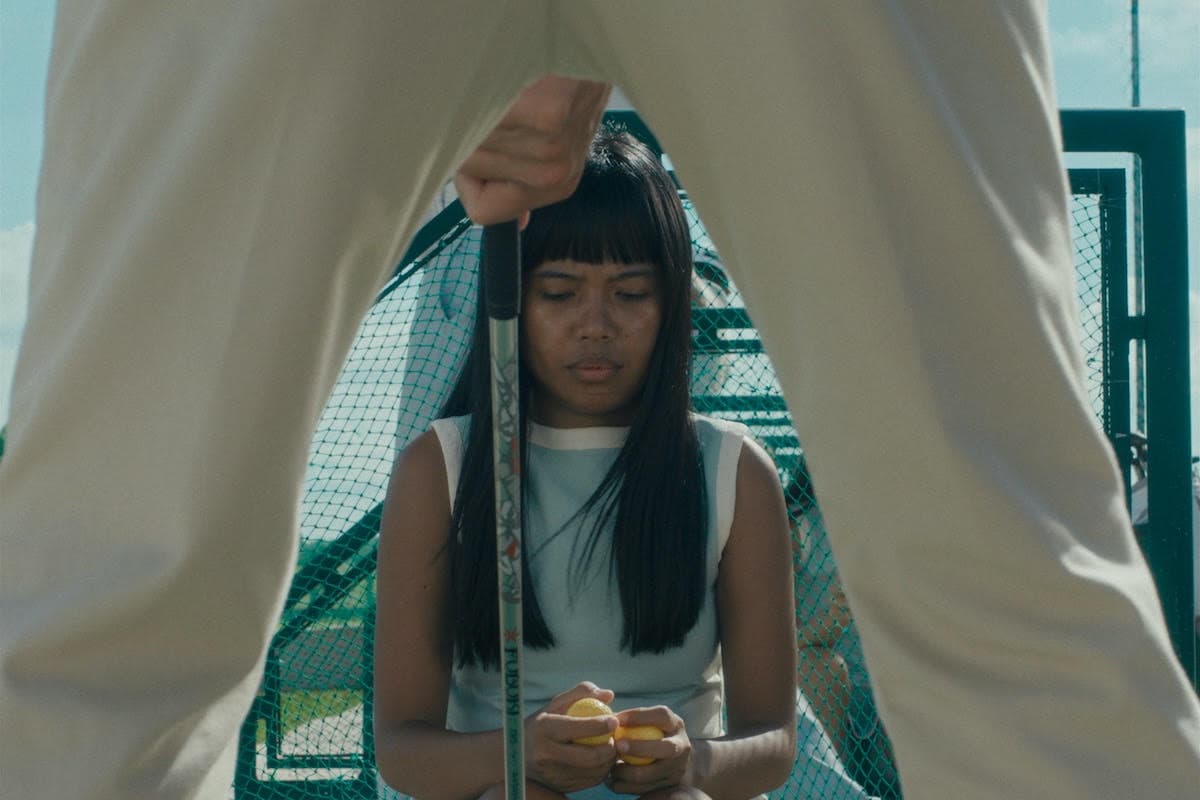
Though it depicts guests and workers at a country club, Rafael Manuel’s film is not out to slickly entertain in the manner of HBO’s‘The White Lotus.’
By CARLOS SOUSA
||Arts+
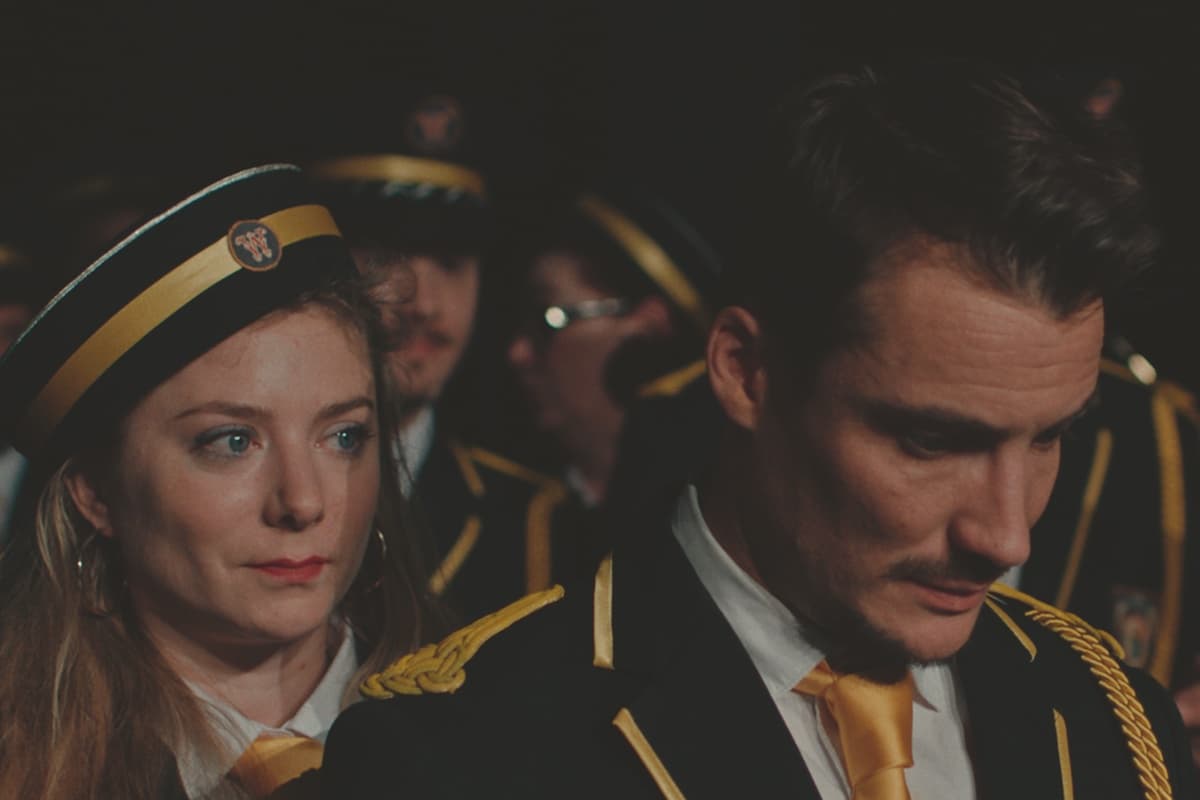
Emmanuel Courcol’s sincere French melodrama, about brotherhood and music, is the type of film Hollywood used to make regularly.
By CARLOS SOUSA
||Arts+
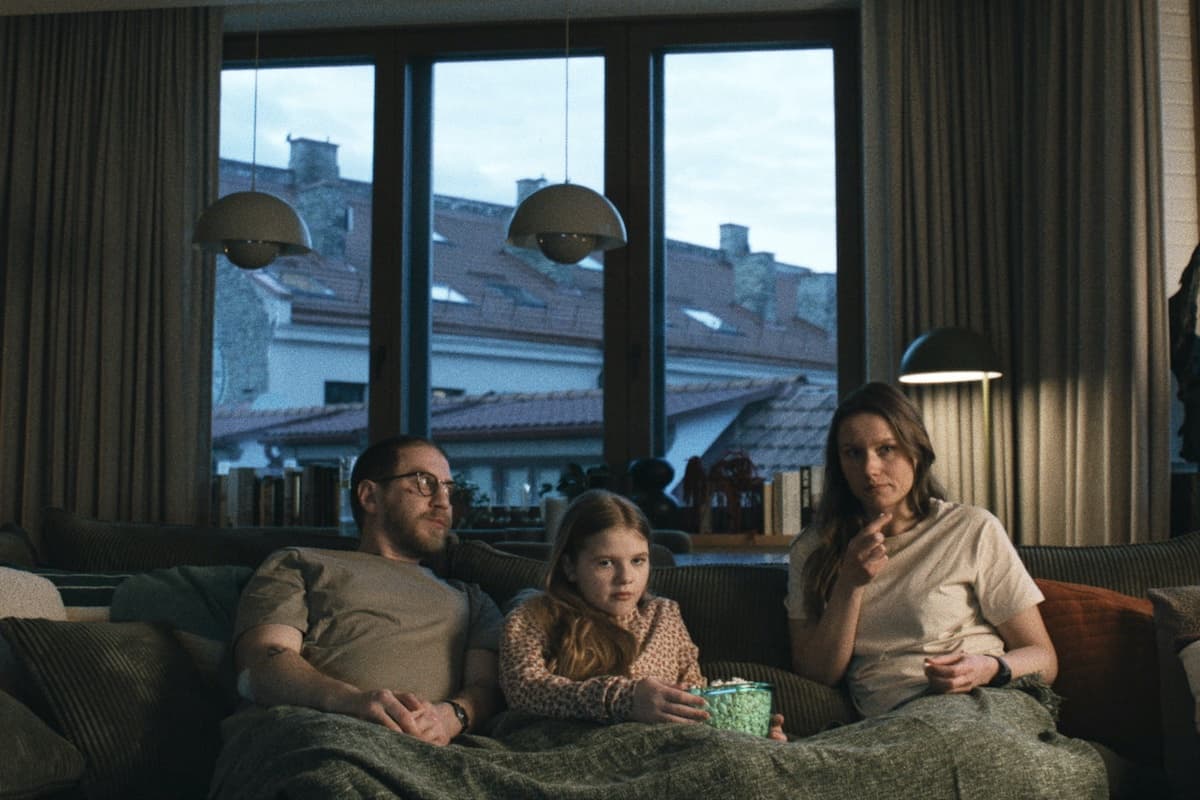
Andrius Blaževičius’s drama, chronicling intense personal and political dynamics, is one of the year’s best films.
By CARLOS SOUSA
||Arts+
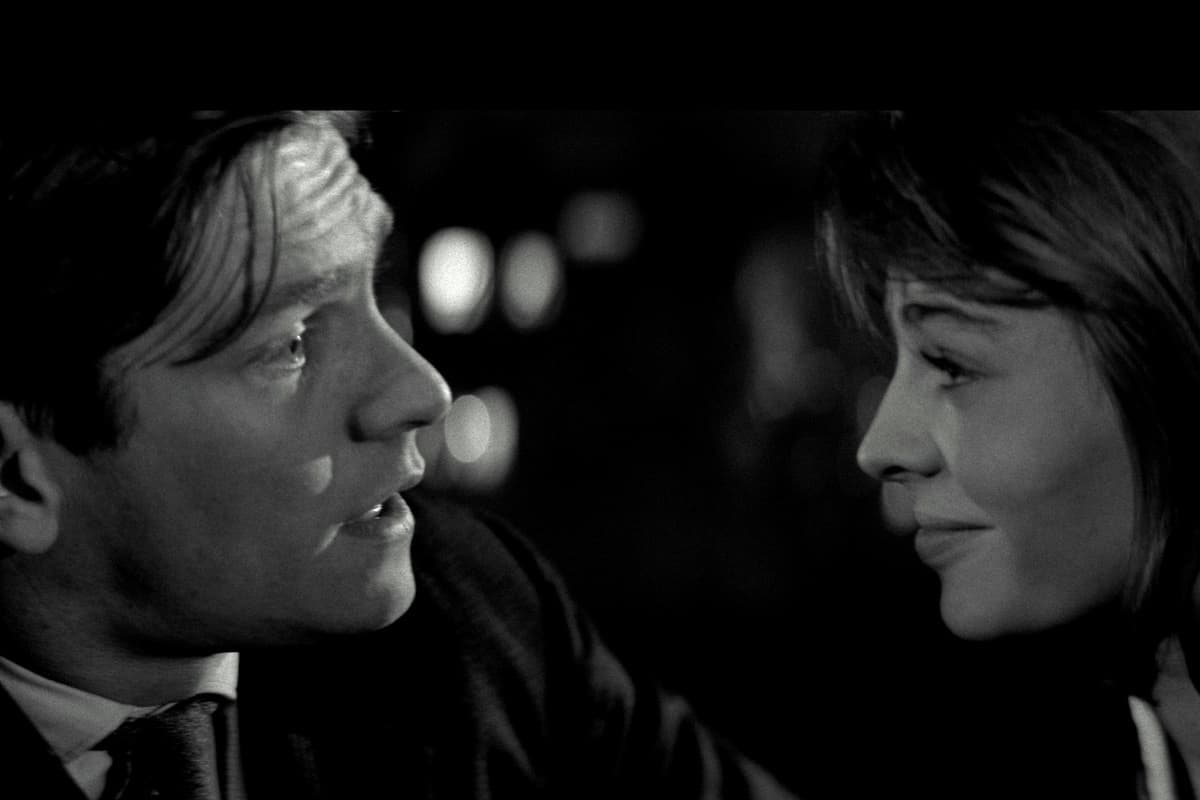
One need only look at recent events in the UK to see how John Schlesinger’s charming depiction of delusion lives on more than six decades later.
By CARLOS SOUSA
||Arts+

Anne Hathaway and Ewan McGregor can’t rescue a directionless and derivative blockbuster which favors calculation over creativity.
By CARLOS SOUSA
||Arts+

Fernando Eimbcke’s heartwarming picture chronicles a Mexican-American family in 1979, with nods to ‘Saturday Night Fever.’
By CARLOS SOUSA
||Arts+
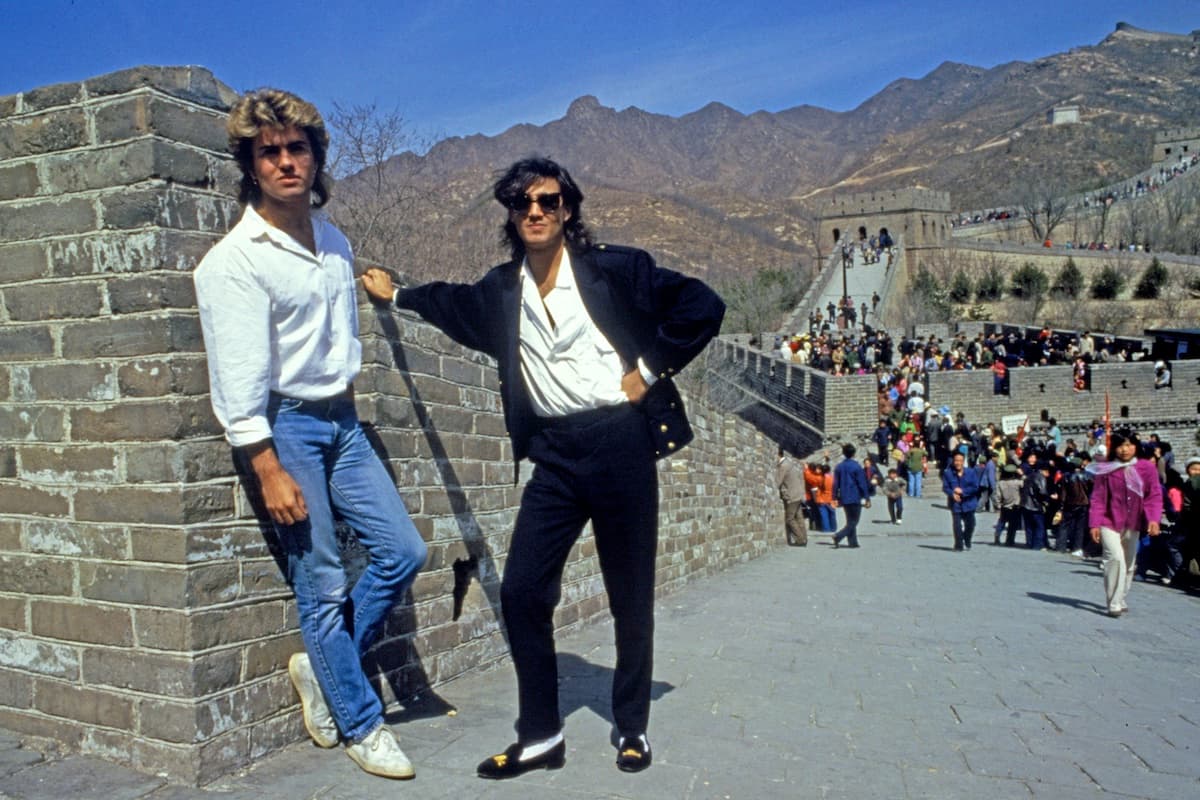
The world felt unsure about George Michael and Andrew Ridgeley’s Chinese ‘Careless Whisper’ in 1985 but four decades later a documentary shows the tour was pioneering.
By CARLOS SOUSA
||Arts+

The film’s wordless narrative is innovative and immersive but the story itself is an unoriginal crime melodrama and revenge tale.
By CARLOS SOUSA
||Arts+
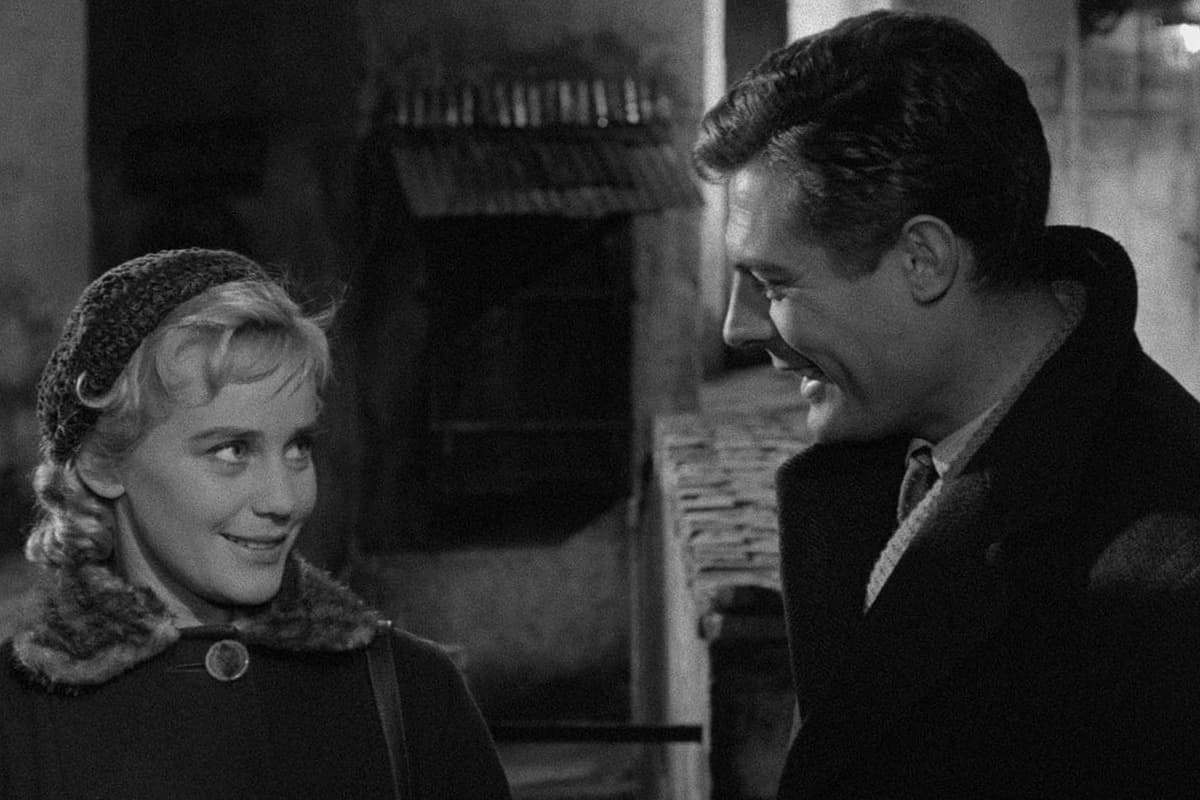
The 1957 drama is a masterful depiction of young love and lost illusions, guided by the luminous and guileless presence of Marcello Mastroianni and Maria Schell.
By CARLOS SOUSA
||Arts+