Baseball Scandal Spotlights On-Line Threats to Athletes Who Disappoint Gamblers
“Gambling in baseball is doing nothing but making the day-to-day lives of players substantially worse,” says a New York Mets pitcher, Ryne Stanek.
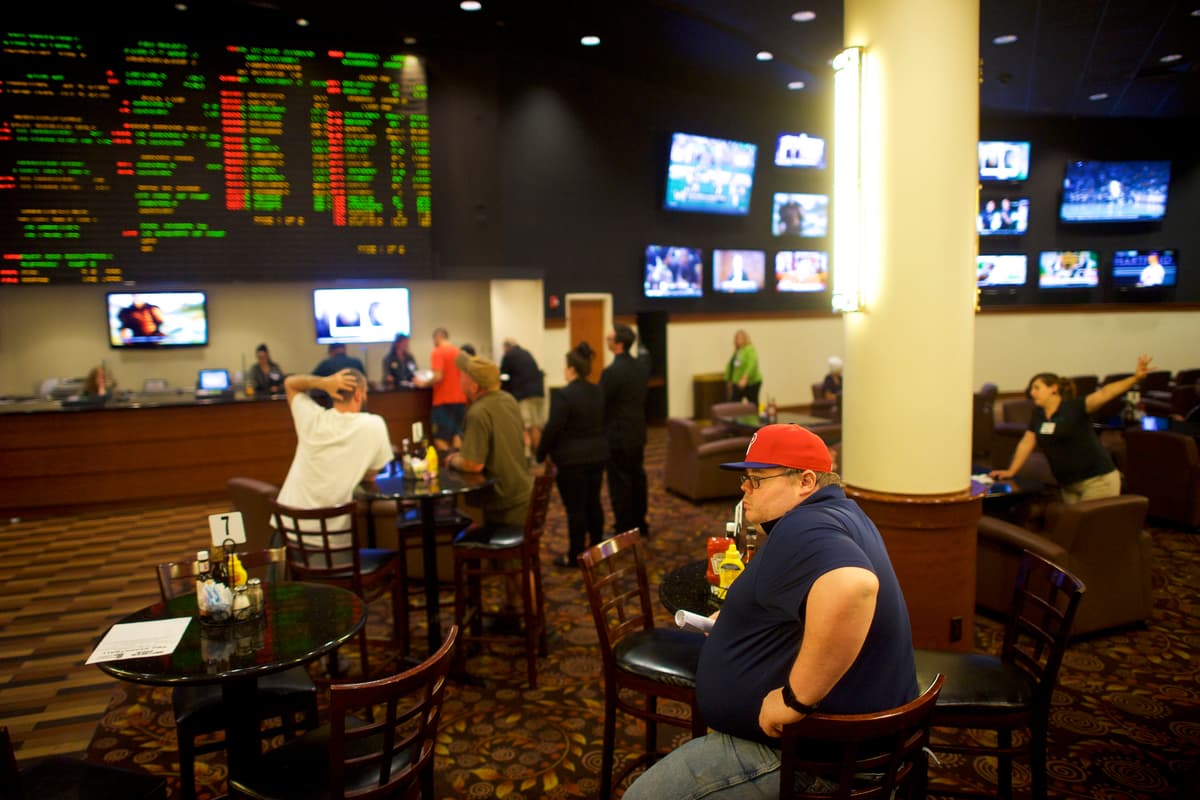

Baseball’s latest gambling scandal is calling attention to the increasingly dark culture surrounding sports gambling, which is forcing everyone from elite athletes to college players to deal with harassment and even death threats.
Graham Gano, a placekicker with the New York Giants, told ESPN he hears disparaging remarks every week because someone loses money, whether he makes a kick or misses it.
“It was the other day that someone told me to get cancer and die,” he said.
Major League Baseball is hoping to limit its exposure to sports betting scandals by agreeing with its authorized gaming operators to cap bets on individual pitches at $200 and exclude them from parlays.
The agreement comes days after two Cleveland Guardians players were indicted for rigging pitches to benefit sports bettors.
Emmanuel Clase and Luis Ortiz were charged on Sunday with taking bribes from sports bettors to throw certain types of pitches at certain times. They were accused of wire fraud conspiracy, honest services wire fraud conspiracy, conspiracy to influence sporting contests by bribery and money laundering conspiracy. Both deny the charges.
The league said bets on pitch velocity and balls and strikes threaten the integrity of the game because they can be “determined by a single player and can be inconsequential to the outcome of the game.”
“The creation of a strict bet limit on this type of bet, and the ban on parlaying them, reduces the payout for these markets and the ability to circumvent the new limit,” the league said. A parlay bet requires two or more separate things to happen for the bettor to collect, making for a larger payout when they do.
But MLB’s latest effort to protect its integrity is unlikely to have much impact on the broader culture surrounding sports gambling, which is seeping ever deeper into the lives of athletes.
Players across all professional sports say the backlash from bettors angry over their performances has become vicious, and many say they regularly receive death threats from angry bettors.
Mr. Gano, who has been bothered by injuries for much of this season, joined the league in 2009 but didn’t start experiencing the hate on social media until 2018 when sports betting became legal outside of Nevada.
“Nobody wants to hear that stuff,” Mr. Gano said. “I think everyone in the locker room knows if you have something going on to talk to somebody about it. I hope that everybody in here would. Nobody wants to hear stuff like that.”
A New York Mets pitcher, Ryne Stanek, said he frequently gets death threats.
“Gambling in baseball is doing nothing but making the day-to-day lives of players substantially worse,” he said. “It’s just people that recklessly bet their money on just anything that they can and if you mess up their bad life choice, you’re the problem and you should die.”
College athletes also receive death threats. A 2024 NCAA study showed one-third of high-profile college athletes have received abusive messages from people with a betting interest.
Higher-profile events, such as the NCAA tournament, attract increased abuse and threats, the study found, with 90 percent of the harassment coming through social media.
The NCAA has confirmed that 4,000 abusive or threatening messages were sent in connection with the 2024 men’s and women’s basketball tournament and some were evaluated by law enforcement.