Beef Prices Reach Record Levels as American Ranchers Reel From Parasite That Closes Border to Mexican Cattle Stocks
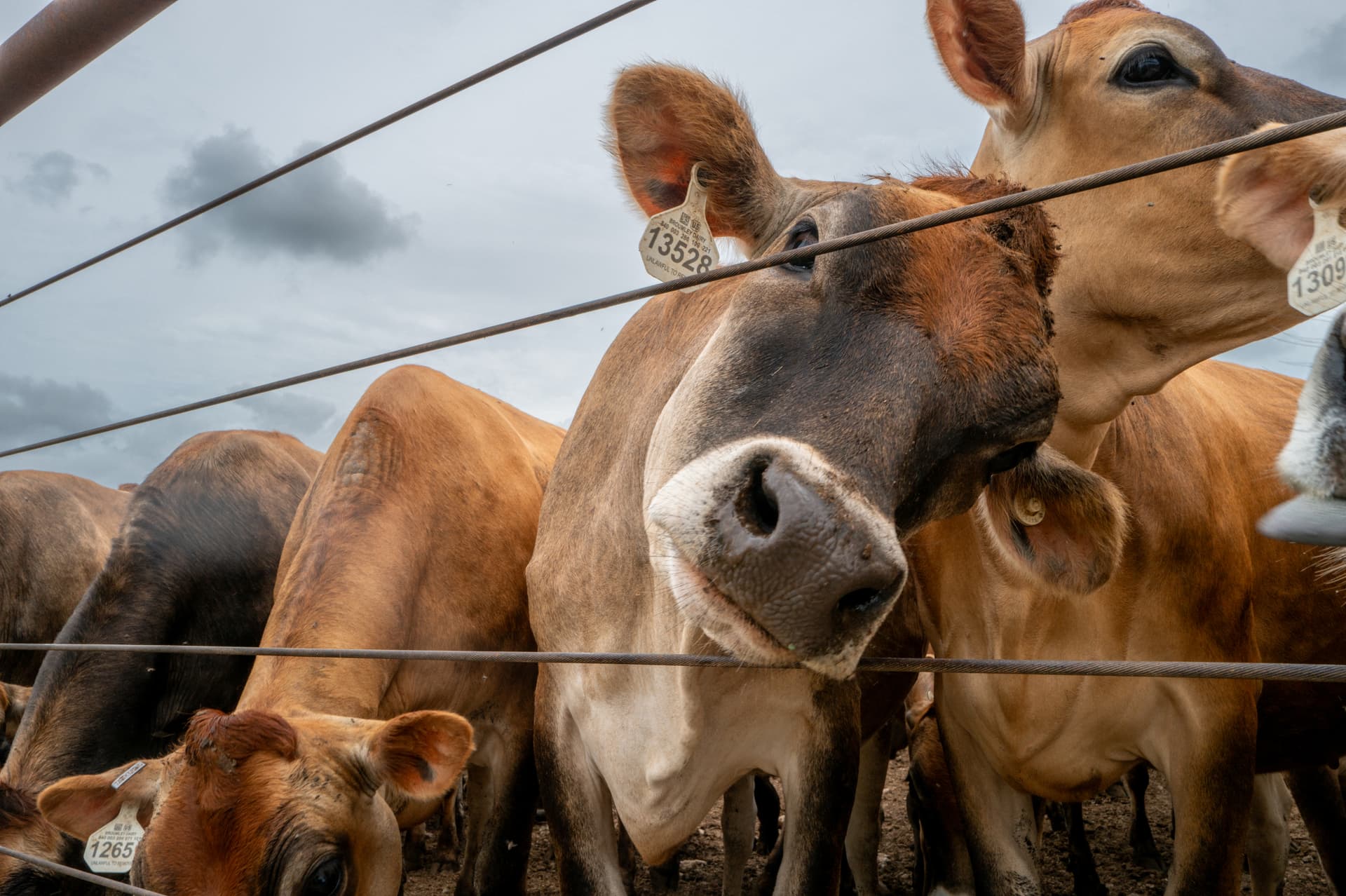
The long-standing cattle trade between the two nations has come to a screeching halt in the face of thousands of cattle being infected with flesh-eating larvae.

Agriculture officials from Canada, Mexico, and America will meet this week in an effort to tackle how the trading partners can respond to a parasite that has decimated the beef industry and led beef prices to reach new peaks in America and beyond.
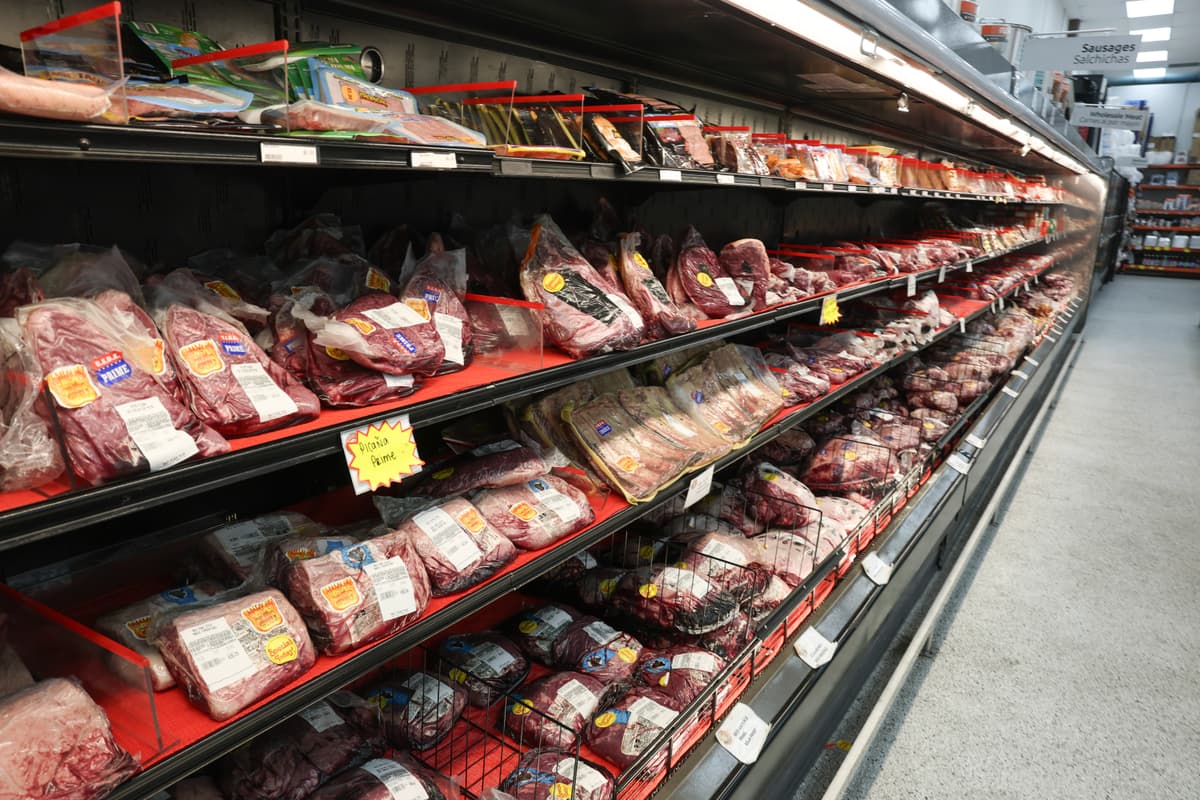
A pound of ground beef in America reached an average price of $6.31 in August, its highest price ever, according to the St. Louis Federal Reserve. The Fed’s next price report is due on Wednesday. Consumer Price Index data from the Bureau of Labor Statistics indicate that beef prices increased just less than 14 percent in August over their levels 12 months earlier, a rate far outpacing overall food price increases.
The beef prices reached the new peak in September following a slowdown in American production caused by a ban on Mexican feeder cattle. The slowdown has also meant ranchers are keeping cattle alive longer, driving up costs for feed and care while also reducing the food supply for American carnivores.
Livestock production has been curbed as agriculture authorities address an outbreak of the potentially deadly New World Screwworm. First detected in July 2023 in Panama, the parasite — larvae of the Cochliomyia hominivorax fly — has advanced northward, with the first confirmed case in Mexico identified in November 2024.
Thousands of cases have been reported in Mexico since then, mostly in the south, but Mexican officials on Saturday notified the U.S. Department of Agriculture of a new case near Mexico City, approximately 390 miles from the Texas border. That followed another detection last week approximately 170 miles from America’s southern border.
In September, an infected cow shipped north from southern Mexico was reported in Sabinas Hidalgo in the state of Nuevo León, less than 70 miles from Laredo, Texas. It is the closest detection to America, which has not had a confirmed case in some 13,000 screening samples submitted to date.
The November 2024 confirmation of the screwworm triggered a three-month ban on Mexican cattle imports, a billion-dollar industry that saw 1.25 million cattle sent north in 2024. The ban was lifted in February, only to be imposed again in May as agriculture officials reviewed a joint strategy to combat the parasite.
In July, less than 48 hours after re-opening the border, the United States reinstated restrictions on horses, bison, cows, and other livestock entering from Mexican land ports after Mexican authorities reported new infections in wildlife.
America’s agriculture secretary, Brooke Rollins, who says she has been in constant contact with Mexico’s secretary of agriculture, Julio Berdegué, since the outbreak, reported Saturday that active cases in Mexico have dropped by 28 percent since its September 11 peak while 7,245 animals are receiving treatment or have fully recovered from infection.
Nonetheless, she said, the screwworm is nowhere near eradicated. “While the results are encouraging, the recent positive NWS cases near our southern border confirm that there is significant work left to do,” Ms. Rollins wrote on X. “Working to keep moving out information on this potentially devastating parasite on our American livestock industry.”
The screwworm can invade the tissues of any warm-blooded animal, including humans, causing severe damage and potentially fatal lesions. The first human case of screwworm infestation was confirmed by Mexican officials in April after a 77-year-old woman living in the southern state of Chiapas was diagnosed.
Since the outbreak, Mexican officials have authorized 168 checkpoints for screwworm detection and implemented risk mitigation activities, including physical inspection, preventive treatment, and documented wound care verification and validation, Ms. Rollins said.
American officials are also helping the Mexican government by deploying surveillance and traps to capture and sterilize flies to prevent the larva from embedding in animals’ skin. Ms. Rollins said since late last year, more than 3 billion sterile flies have been released in Mexico. Current capacity is 100 million sterile flies per week.
“BUT – this is not enough for eradication,” she said, noting that Moore Air Base at Hidalgo County, Texas, is working to construct a sterile fly production facility by January 2026.
The CEO of the National Cattlemen’s Beef Association, Colin Woodall, tells the Sun that his organization appreciates the federal government’s efforts to address the “imminent threat to America’s cattle industry,” though it needs to work faster.
“With the screwworm threat so close to our border, we urgently need USDA to expedite construction of the domestic sterile fly facility and the FDA to continue working on new medication approvals. We also urge USDA to continue working with Mexican authorities to reduce animal movements in Mexico that could spread screwworm,” he said.
Winter could help decrease the number of larvae moving north, as the flies can’t survive in below-freezing temperatures, but the changing seasons are unlikely to affect eradication efforts in southern Mexico, which rarely gets that cold.
Meantime, the bottleneck is warping prices for consumers and producers alike. With the border closure emaciating feedlots, American ranchers are desperate to refill their emptying yards. Mexican ranchers facing a glut in cattle they can’t legally unload are ready to sell at a discount.