British Film ‘Urchin’ Features a Brilliant Performance by Rising Star Frank Dillane
Sometimes challenging, intermittently pretentious, but altogether bracing, ‘Urchin’ is directed by the young actor Harris Dickinson, who also appears in the film.
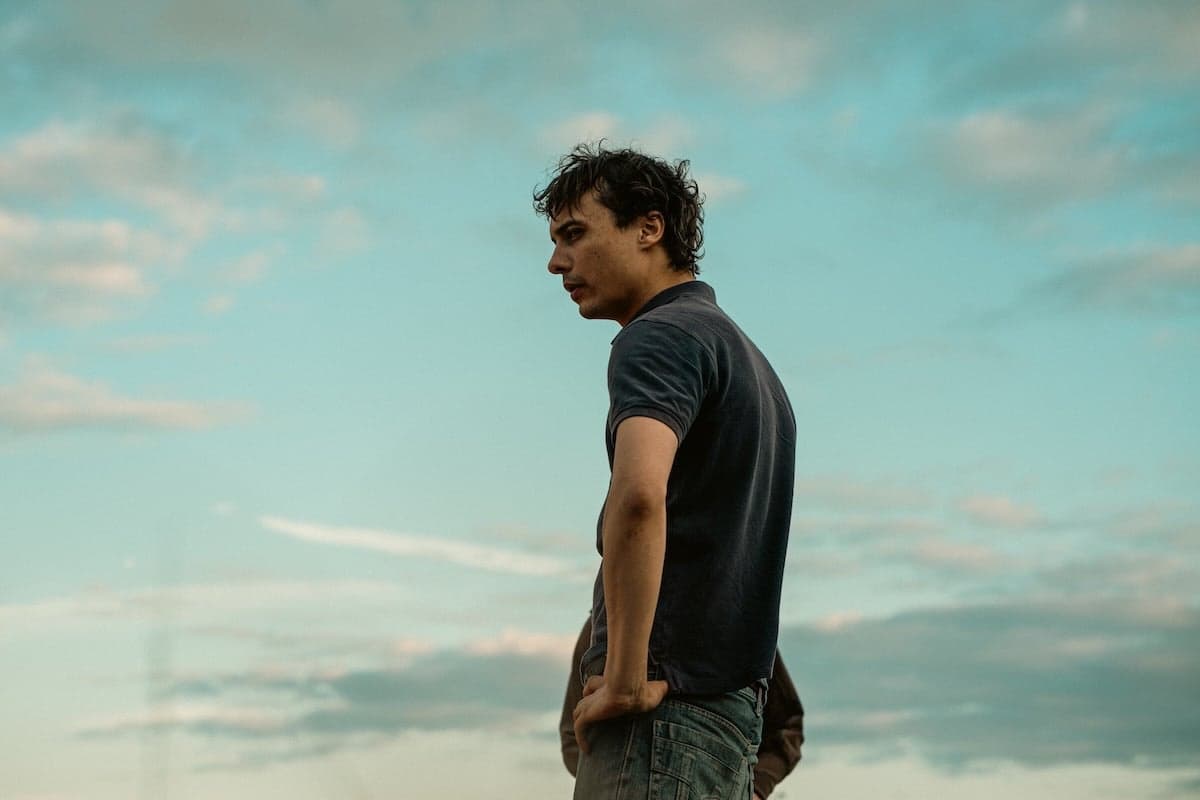

The new British film “Urchin” takes the collocation “street urchin” and its association with 19th-century London and updates it for the modern era. Instead of an adolescent boy, the contemporary English “urchin” depicted is a 20-ish young man; like his antecedents, he spends most of his time in the streets. In his irritability and disheveledness, he also resembles the street urchins of yore, though drug use is ultimately what sets him apart.
Sometimes challenging, intermittently pretentious, but altogether bracing, “Urchin” is directed by the young actor Harris Dickinson, who also appears in the film. As expected of pictures helmed by thespians, Mr. Dickinson draws an outstanding performance from up-and-comer Frank Dillane as protagonist/antihero/urchin Mike.
The first-time feature film director also borrows from the work of acclaimed auteurs like Mike Leigh and the Safdie brothers in crafting his story, melding kitchen-sink realism with a more expressive, trippy, propulsive style. Bristling with spikes of kinetic music, hallucinatory interludes, and daft observations, the drama generally avoids being depressing, though in the end it can’t escape feeling like a cautionary tale.
Early scenes establish Mike’s routine and environment, such as begging for money on a busy corner and hanging around with other homeless and indigent people at a food distribution location. An altercation with a fellow pauper, Mr. Dickinson’s Nathan character, leads to a startling assault on and robbery of a helpful bystander, which lands Mike in prison. Thus ends the short film-length first act, which transitions to Mike’s rehabilitation via a strange sequence featuring what look like amoebae swimming in a black void.

These digitally rendered cellular organisms segue into images within a cave, which will appear sporadically throughout, as will other “dream sequences,” such as one involving an aged woman. The meaning of these visions can be fairly obvious: Will Mike emerge from a primordial “cave” of destructive behaviors? Others prove more impenetrable, possibly because some of them result from Mike’s drug taking.
While some of these illusions echo with potent symbolism and surrealism, the director’s strengths lie more in depictions of those on the outskirts of society. After his release from prison, Mike regularly meets with his busy parole officer/social worker and gets a job in a hotel kitchen, with his future prospects generally looking up. Yet tensions and difficulties at work and unresolved issues eventually come to bear, culminating in a key scene midway through the movie in which Mike meets with the man he attacked and robbed.
Mr. Dickinson and his cinematographer, Josée Deshaies, shoot this scene in one take, starting with a wide shot of the participants, including a restorative justice advisor, and then slowly moving to a closeup of our fidgeting protagonist as the victim speaks first about the attack’s aftermath. When it’s time for Mike to speak, with emotion surging to his face, the director cuts away to a shot of him walking as ambient techno music rises in volume on the soundtrack. A bold choice, this edit demonstrates both the nascent director’s formal restraint and his dramatic instincts as it rejects a moment of catharsis to signal how Mike has a long way to go in his post-prison efforts.
With its unexpected turns and rhythms, the film may not have worked as well as it does without Mr. Dillane’s intelligent performance. Resembling a young Johnny Depp, the actor has an open face even when his hair hangs ratty over his forehead, and his body language as Mike displays a spiky but subdued charisma. Despite the drama’s downbeat milieu, it’s clear Mr. Dillane possesses star quality, and the Cannes Film Festival concurred when it honored him with the Best Actor award this year in its Un Certain Regard section.
After Mike’s release from prison, a healthier, more presentable young man emerges, one we hope will succeed, making it all the more heartbreaking when his renewal starts to fall apart. After losing the hotel job, he works as a park refuse collector; one bright spot is his dating a hippie-ish co-worker. But once drugs enter the picture, his downward spiral accelerates.
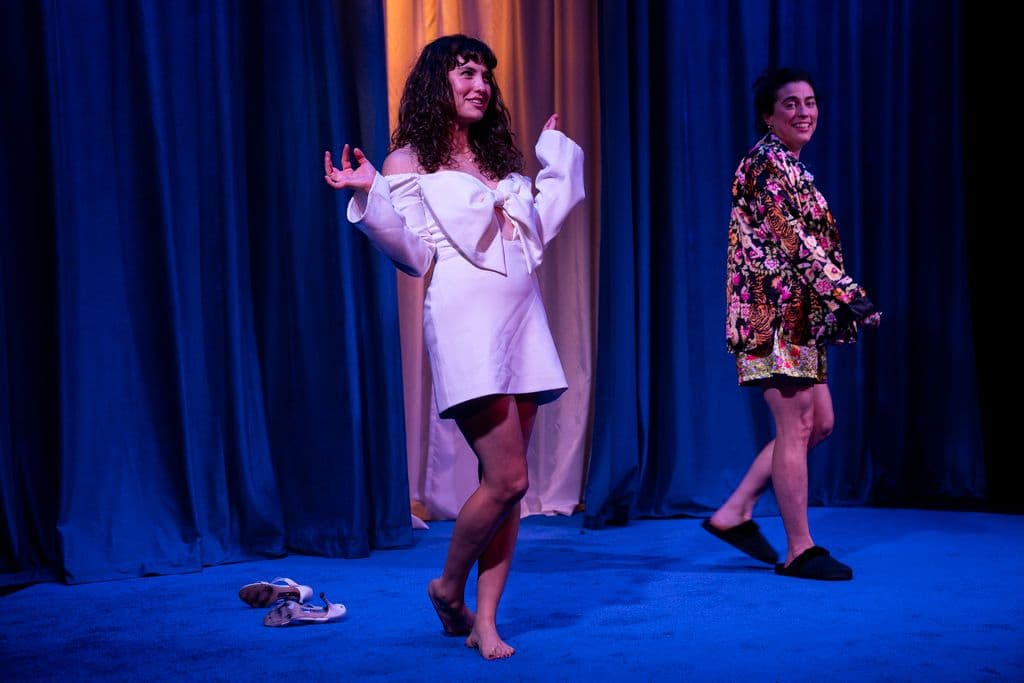
During the third act, as Mike experiences another vision, this time incited by ketamine and a contemporary dance performance, we’re shown how the assault was more aggressive than first depicted. The director may be suggesting that guilt, when combined with mind-altering substances, intensifies a transgression, making it worse than its reality. Or he could be saying that Mike blocked out the intense violence of the robbery. Either interpretation proves bleak.
With addiction barely mentioned earlier, Mike’s relapse shocks, though his stress over soon becoming unhoused again lends it some rationality. Still, one wishes Mr. Dickinson had replaced a few portentous segments, forced bits of humor, and music video-like sequences with scenes addressing Mike’s past and prior problems with substance abuse. Perhaps he wished to avoid overly psychologizing his protagonist, creating a more immediate and haunting portrait.
While the occasional stylization and digression appear modish and at odds with a serious look at a marginalized young man, it is Mr. Dillane who manages to hold the film together, adding the only touch it needed: soul.