Google’s Pixel 10 Has MagSafe But Little Else To Impress
The previous generation is significantly cheaper for similar specifications, while offering nearly the same features.
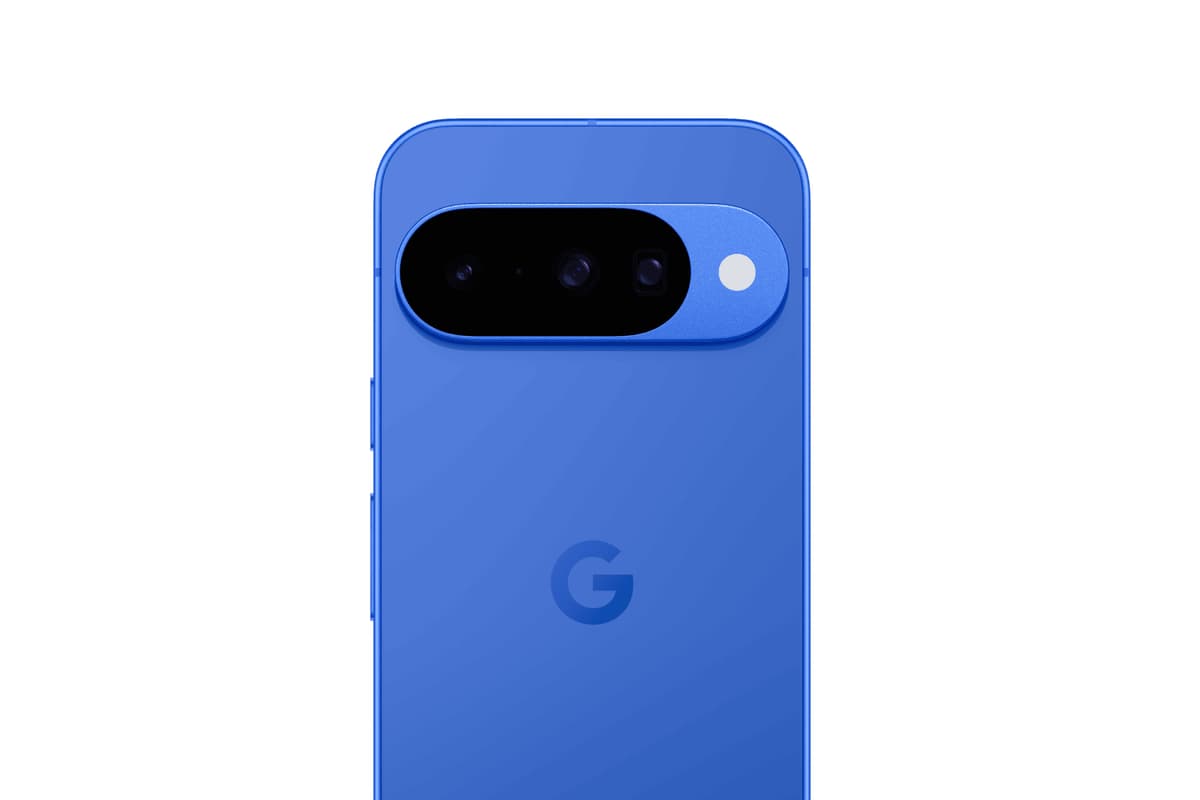

For many years, Google’s Pixel line was the choice for enthusiast Android customers. They weren’t the best value compared to Chinese phones, they weren’t the premium option of Samsung, and they didn’t offer the price competition of something like OnePlus. But what Google’s line did offer was the most true version of Android — Android as Google thought it should be, plus some of their fun extra features on top.
However, over time, Google has shifted the focus of the Pixel line, raising its price and ambitions, and the Pixel 9 Pro was seen as the iPhone for Android. I hoped the 10 series would continue that progress, but instead, they have somehow gone backward. Buying the 10 series over the Pixel 9 makes little sense.
To start, the Pixel 10 looks identical to the Pixel 9 but with a marginally larger battery and a brighter screen, and comes in indigo, light blue, bright green, or black, starting at $799. The cameras are the most significant change, as the Pixel 10 features a 48-megapixel primary camera, a 13-megapixel ultra-wide sensor, and now includes a third camera: a 10.8-megapixel telephoto lens. The addition of a telephoto lens is valuable, but those first two lenses utilize smaller sensors with lower resolution — the primary sensor decreases from 50 megapixels in the Pixel 9 to 48, while using a significantly smaller physical sensor, and the ultra-wide drops from 48 megapixels to just 13. These are downgrades that particularly affect low-light performance. Google’s new Tensor G5 chip is behind industry-leading silicon, particularly that in the iPhone. As it stands, that’s not a problem for the average user, but as local AI tools become more common — as Google is pushing for — these phones will age poorly. The 6.3-inch screen is brighter than the Pixel 9 but only in isolated HDR settings and content.
The most significant upgrade across the entire Pixel 10 line is the implementation of Qi 2, the open phone-wide equivalent of MagSafe, which surprisingly few companies have implemented, and Google is the first mainstream phone manufacturer to add. Essentially, like MagSafe, this feature allows you to use magnetic accessories, supporting all of Apple’s existing accessories and MagSafe charging pucks, as well as Google’s own $40 wireless charging puck. This is genuinely great — but it’s not enough to save an underwhelming phone, particularly when magnet stickers are available on Amazon.

