In His Defense, James Comey Says He Will Challenge Legality of Trump Naming His Personal Lawyer as Prosecutor
Comey cites cases from earlier this year in which two federal judges found the president had illegally appointed prosecutors.
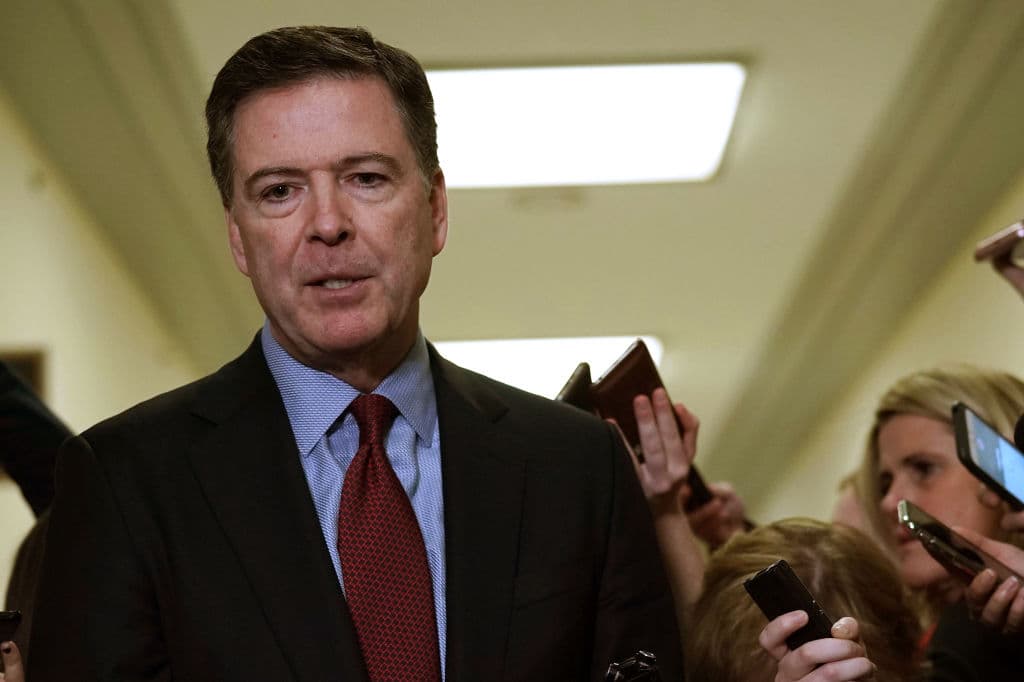

A former director of the FBI, James Comey, says he will challenge the legality of President Trumpâs appointment of his personal lawyer as the interim U.S. attorney for the Eastern District of Virginia. The prosecutor in question, Lindsey Halligan, was installed after her predecessor resisted Mr. Trumpâs demands that Mr. Comey immediately be indicted.
Mr. Comey now faces two charges related to alleged false testimony to Congress in September 2020. He has pleaded not guilty to both charges, and is expected to go to trial in January.
On Tuesday, Mr. Comeyâs lawyers announced to Judge Michael Nachmanoff â a Biden nominee assigned to oversee the case â that they would be filing a legal brief challenging Ms. Halliganâs appointment. Their rationale for the challenge rests upon recent court precedent in two other federal jurisdictions.
Judge Nachmanoff will rule on whether the prosecution of Mr. Comey ought to be dismissed as âselectiveâ or âvindictive.â He will not, though, decide whether Ms. Halliganâs appointment is unlawful. That ruling will be rendered by an out-of-district jurist. Judge Nachmanoff is passing the baton because federal law assigns federal judges a role in determining the tenure of interim United States attorneys in their districts â like Ms. Halligan and her predecessor.
The first is United States v. Garcia, which saw a judge in Nevada disqualify Mr. Trumpâs chosen prosecutor, Sigal Chattah. Ms. Chattah, whose service as interim U.S. attorney was limited to 120 days by statute, tried to find a workaround by resigning as interim prosecutor, taking a job at the main Department of Justice office, being appointed as the chief deputy at the U.S. attorneyâs office in Nevada, and finally having the previous chief deputy removed from her post so that Ms. Chattah could become acting U.S. attorney once more.
Judge David Campbell, a nominee of President George W. Bush, ruled that the maneuvers to keep Ms. Chattah in her role violated federal law, and that she should not be permitted to oversee prosecutions by the office.
The other case that saw an acting U.S. attorneyâs powers limited was United States v. Giraud out of New Jersey. In that case, another one of Mr. Trumpâs personal attorneys â Alina Habba â was disqualified from overseeing a prosecution because she, too, was found to be illegally occupying her post.
Judge Matthew Brann, a nominee of President Obama, found that Attorney General Pam Bondi âconceived a multi-step maneuver to keep [Ms. Habba] in the United States Attorney roleâ despite the statute being clear that she could not remain in that post. That order preventing Ms. Habba from performing her duties is on hold as it goes through the appeals process.
Mr. Comeyâs argument that Ms. Halligan was illegally appointed could rest on a memo written by Justice Samuel Alito when he was at the justice departmentâs office of legal counsel. That memo argues that once an interim U.S. attorney is dismissed, then it is up to the judges of the federal district â not the executive branch â to choose the next acting prosecutor. Ms. Halligan took the place of another interim U.S. attorney for the eastern district of Virginia, Erik Siebert, who was fired by Ms. Bondi.
Mr. Comeyâs lawyers said during the ex-FBI chiefâs arraignment last week that they also plan to challenge the indictment on the basis that the defendant is the victim of a âvindictiveâ prosecution ordered by the president himself.