Milei’s Libertarian Experiment in Argentina Emerges From Midterm Elections Even Stronger Than Before
Javier Milei has made dramatic changes to the Latin American economy, but discontent lingers.
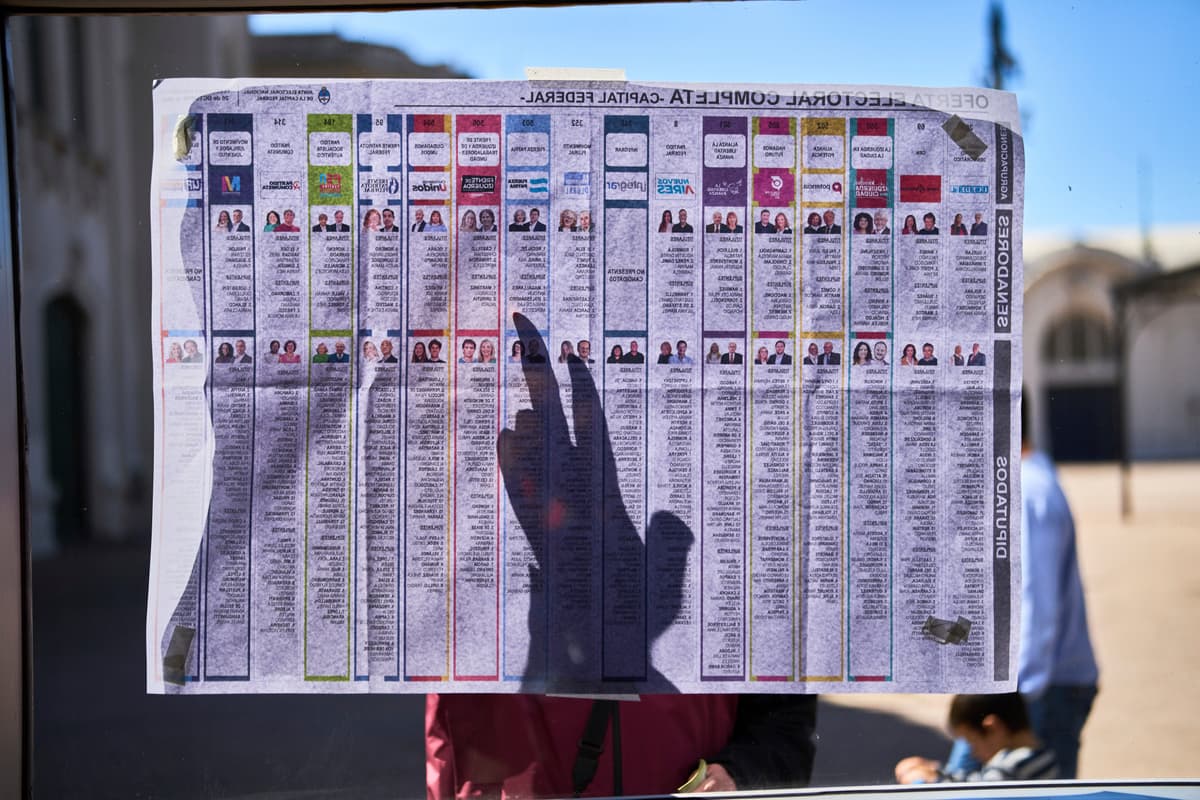
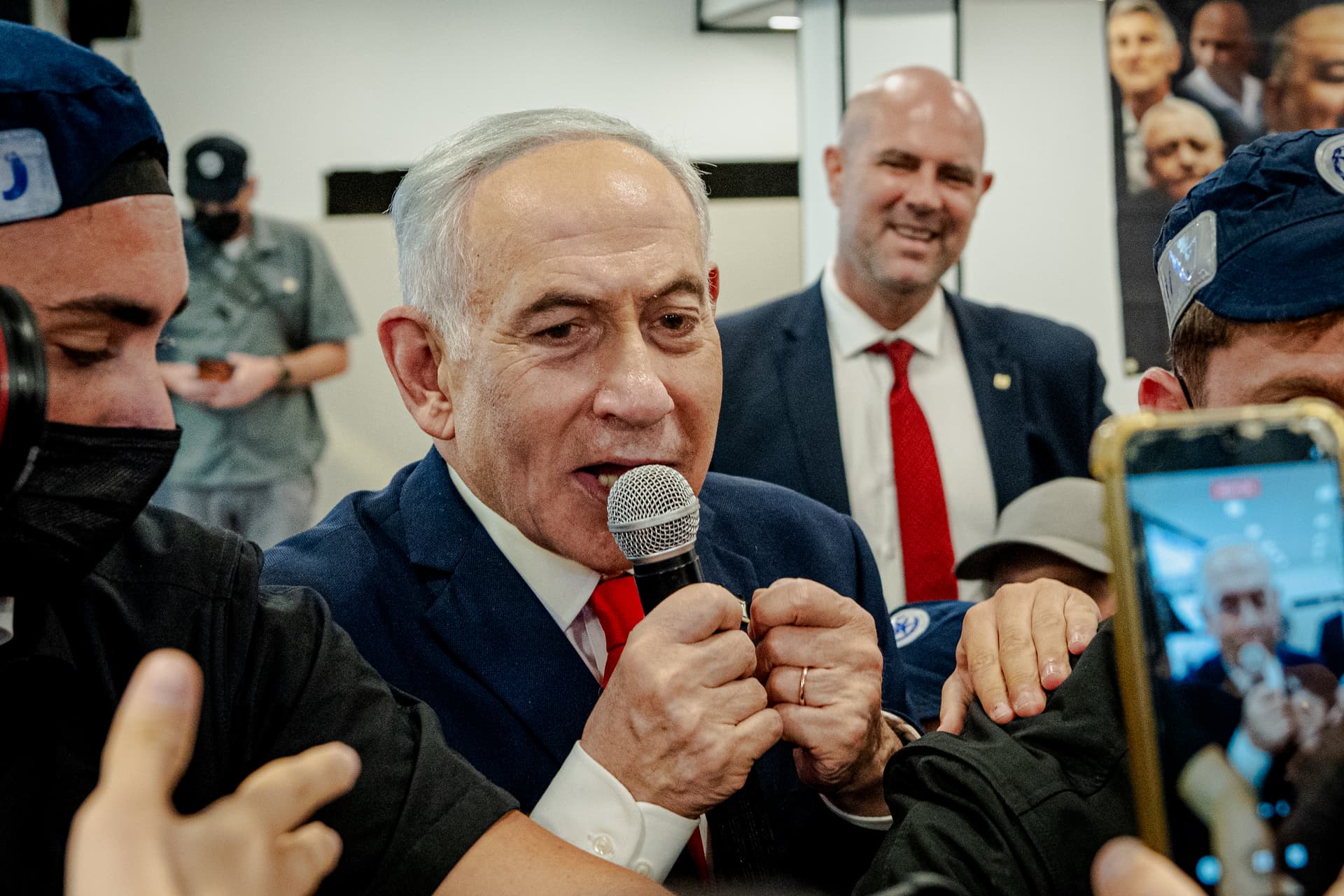
Argentina’s libertarian president, Javier Milei, won decisive victories in key districts across the country in midterm elections on Sunday, clinching a crucial vote of confidence that strengthens his ability to carry out his free-market experiment.
Mr. Milei’s governing La Libertad Avanza party won 40.84 percent of the votes nationally in elections for the lower house of Congress, according to tallies in local media using numbers from electoral authorities. The results widely reported also showed his party won six of the eight provinces that voted to renew a third of the Senate.
In Sunday’s elections, Argentines voted on nearly half the seats in the Chamber of Deputies, the lower house of Congress, and for a third of those in the upper house, the Senate.
Voters elected 127 of the 257 deputies in its Chamber of Deputies, and 24 senators, or a third of the Senate total, representing eight districts. Mr. Milei’s La Libertad Avanza party, held only 37 seats, or less than 15 percent of the chamber and just six seats in the 72-member Senate. The president needed to boost his party’s share to at least one-third of Congress to block overrides of presidential vetoes and advance his privatization and deregulation reforms.
A $20 billion assist to Mr. Milei, an ally of President Trump, from the United States is intended to help support Mr. Milei’s future ambitions. Mr. Trump even threatened to withhold the offer of American assistance should Mr. Milei’s party lose, saying America would not prop up a communist or Peronist.
Seeking to appease American onlookers, Treasury Secretary Scott Bessent said Sunday a promised currency swap offered to Mr. Milei to strengthen the unstable currency is not a bailout, but an exchange stabilization, which comes from a fund that has never lost money. America has extended similar temporary swaps in the past with countries ranging from Mexico and Sweden to Brazil and New Zealand.
The fund is used to stabilize foreign currencies or lend to foreign governments to intervene in a financial crisis. Mr. Milei’s libertarian government is certainly in need as Argentina’s people feel the pinch of the depreciation, slower economic growth projected in 2026, and a national deficit that is surging well past International Monetary Fund expectations.
“We are supporting a U.S. ally in Latin America, and we want to set the tone in Latin America, because look at what’s going on in Venezuela,” Mr. Bessent told NBC’s “Meet the Press.” “We think it is much better to use American economic power upfront to stabilize a friendly government and lead the way because we’ve got many other governments. We’ve got many other governments in Latin America — Bolivia, Ecuador, Paraguay, who all want to follow.”
Earlier this month, Mr. Trump suggested that continued American support hinges on Mr. Milei’s success in the elections. “I’m with this man because his philosophy is correct, and he may win it,” Mr. Trump said during a Milei visit to the White House. “He may not win, but I think he’s going to win. And if he wins, we’re staying with him. And if he doesn’t win, we’re gone.”
Two years into Mr. Milei’s economic overhaul, inflation has dropped by more than 200 percentage points to 32 percent annually. The self-described “anarcho-capitalist” has promised to lower taxes, cut government budgets, and end stifling regulation.
An economist at the Institute for International Finance, Martin Castellano, says Argentina’s public finances are among the strongest in its history — and in Latin America,
“Unprecedented fiscal discipline ahead of a pivotal election has helped contain external imbalances and stabilize expectations amid massive portfolio dollarization driven by fear of a policy reversal,” he said.
With uncertainty at home, Mr. Milei appeared at midday holding his ballot and announcing that he has “fulfilled my civic duty.” He urged people to get out to vote and to prevent a return to the reckless spending era of his predecessor, Cristina Fernández de Kirchner, now under house arrest on corruption charges.
“In this election, the future of Argentina is at stake; let’s decide what future we want,” the party messaged earlier in the day.