‘My Sunshine’ Glows With Gorgeous Wintry Imagery but Leaves Much Thematic Terrain in the Dark
Director Hiroshi Okuyama — who also wrote the script, operated the small pocket camera, and edited the film — is subtle to a fault.
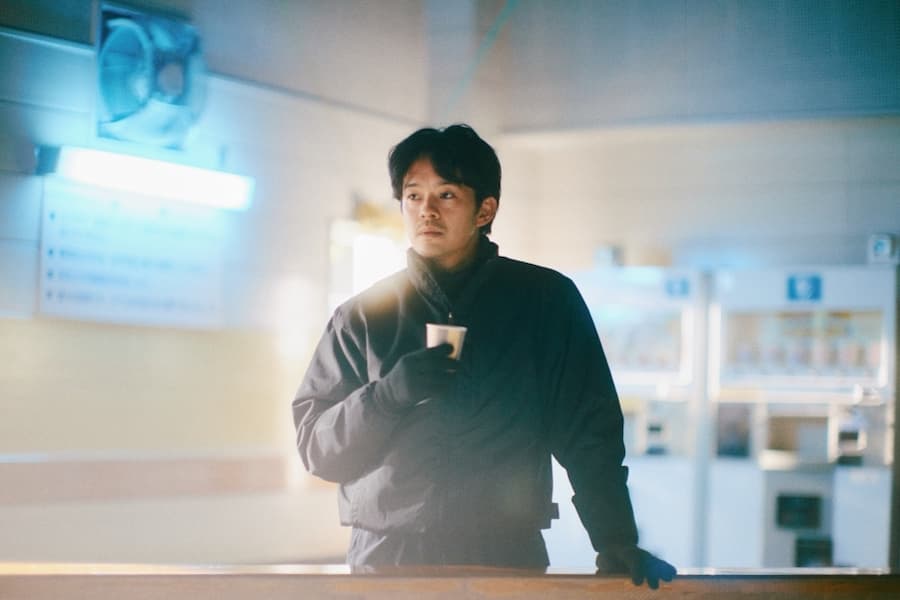
This summer’s humidity led many residents of the New York metropolitan area to look forward to autumn, and those wishing to get a jump start on a colder form of condensation should check out the new Japanese film “My Sunshine.” Set in a small town on Japan’s north island of Hokkaido during winter, the picture immerses viewers in a snowy landscape, combining frosty cinematography and pastel colors to serve up a delectable dish of creamy visuals.
The charming coolness complements the story of two young ice skaters and their coach that occasionally melts the heart, though ultimately one of the movie’s themes proves even more chilling than its imagery.
The movie begins on a baseball field as the first snowfall of the season starts. Soon we’re in the midst of winter, with establishing shots showing a town under several feet of thick snow. An icy blue tone glazes most locations, particularly the ice rink, where much of the film’s action will take place and where fluorescent blue light fixtures and blue accents also appear. Diffuse sunlight pours in from the building’s windows, and here and there warm colors pop.
The images’ texture and composition stand out as the most important aspects during the movie’s first act, creating a translucent, poetic atmosphere while the narrative and character development glide along patiently. The quietly stirring Sōsuke Ikematsu plays Arakawa, a former figure skater who now coaches a teenage girl, Sakura (Kiara Nakanishi). Upon observing an adolescent hockey player, Takuya (Keitatsu Koshiyama), frequently staring at his pupil and attempting some spins, he decides to teach the awkward, stuttering boy as well.

About 40 minutes into the hour-and-a-half film, a plot is introduced: Arakawa wishes the two to join forces in an offshoot of figure skating: ice dancing. With a tournament coming up in a month, the film’s second half centers on their joint training, with two scenes worthy of mention.
One involves Arakawa taking his ice dancers to a frozen lake, and to the tune of “Goin’ Out Of My Head” by the Zombies, the three frolic in late-day, halcyon light in what amounts to an idealized portrait of coach-athlete relations. The other key scene sees the young pair practicing by themselves in the rink with no musical accompaniment, just the sounds of their swishing movements and their blades slicing through ice. Youthful innocence and promise have rarely been captured with such serenity.
Glimpses of Arakawa’s private life sprinkled throughout lead to a scene in which Sakura sees him with his partner Igarashi (Ryūya Wakaba). This moment shifts the film to its third act, in which the coach’s motives for instructing Takuya will be unfairly impugned, culminating in a scene between Arakawa and his lover that brings to the fore issues that had been beneath the surface: depression, repression, and self-loathing. What seemed a conventional tale of sports and competition with a fairy tale-like gleam turns out to be a shadowy examination of a former figure skater uncomfortable with his sexuality — a young man trying to revive his inspiration and youthful spirit while suppressing who he is.
Director Hiroshi Okuyama — who also wrote the script, operated the small pocket camera, and edited the film — is subtle to a fault. He hints at how his lead characters are fellow loners, yet sketches Sakura too faintly, mirroring the girl’s frustrations with Arakawa as he focuses on Takuya’s coaching. Beyond being driven, and pivotal to the film’s most dramatic moment, the character is barely fleshed out. She seems fatherless, thus marking her as different, yet this is never made clear, just like the time period in which the movie is set, sometime during the age of portable cassette players.
Vagueness extends to other elements, too, and what some will deem poetic, others will find frustrating, particularly as it makes Sakura out to be a sort of villain. Additional annoyances emerge as well, such as repetitive skating scenes scored to the lovely but over-used “Clair de lune,” or how the cinematography’s sodium light sensitivity starts to curdle into prettiness.
The film ends with an epilogue in spring that doesn’t enhance our understanding of the characters, merely filling us in on where they are in their lives. If anything, it demonstrates how Mr. Okuyama’s aim was not to delve deeply into his central themes but to lightly skim them, with the director eager to leave the confines of a beautiful but brutal winter and provincial thinking for a more hopeful season and open mindset.
One recognizes his use of seasonal change as a metaphor for puberty and moving on, though it comes off glib and avoidant. While ingrained in Japanese society, reticence leaves much to be desired narratively speaking. Still, the somewhat redemptive, romantic ending involving the youngsters won’t be remembered as much as the sadness of its adult protagonist: an earnest, responsible gay man adrift in a cold, constraining place and time.