
Navy Veteran Who Successfully Sued CNN for Defamation Appeals Dismissal of His Case Against the Associated Press
His attorneys say the judge displayed a ‘lack of judicial decorum.’
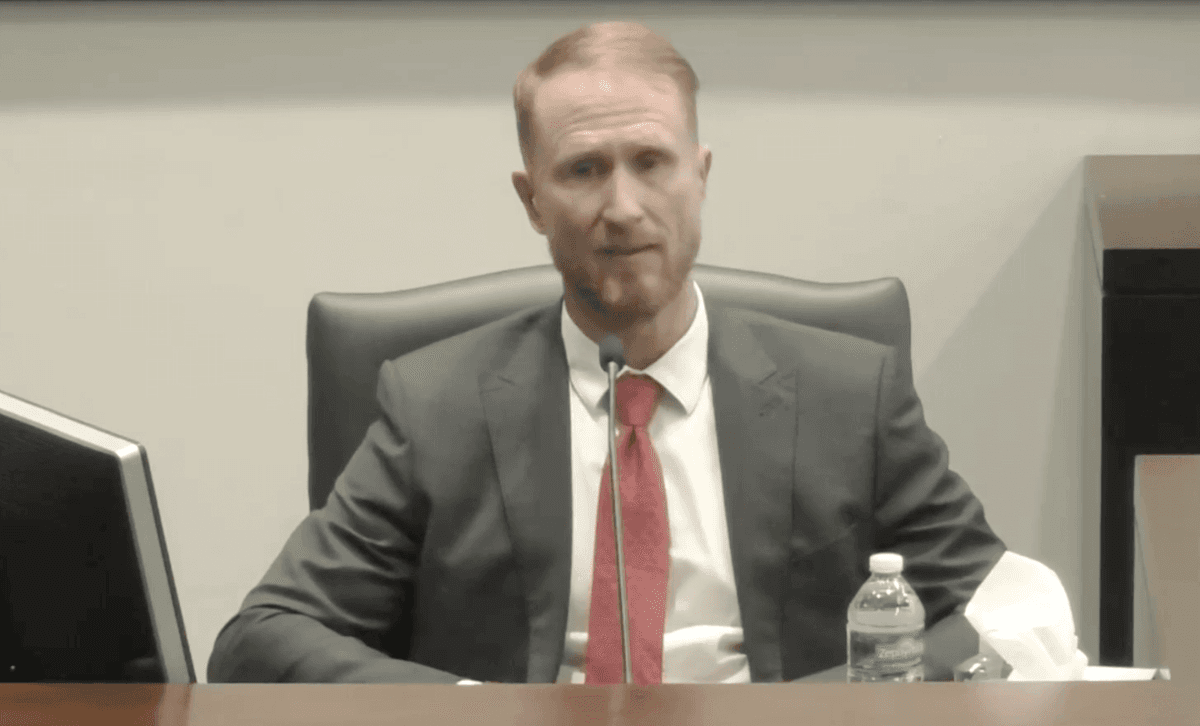
A Navy veteran who successfully sued CNN for defamation, Zachary Young, is appealing a Florida judge’s decision to dismiss his defamation lawsuit against the Associated Press, arguing the jurist displayed a “lack of judicial decorum” in his decision.
Mr. Young won a major victory against CNN in January after a Florida-based jury found the network liable for defamation over a report on his efforts to evacuate desperate Afghans from Afghanistan amid America’s chaotic withdrawal in 2021. The report said Mr. Young charged Afghans “exorbitant fees” and suggested he was operating on the black market. He has said those descriptions of his operations were wrong, as he noted he worked with corporate clients who paid to evacuate their personnel from a conflict zone.
A jury awarded Mr. Young $5 million in compensatory damages. A hearing was underway to decide punitive damages — which could have been far larger — when Mr. Young and CNN reached a confidential settlement that legal observers say was likely in the eight figures.
On the heels of his big win, Mr. Young went after more, suing several news outlets, including the AP, for their coverage of the trial. However, in August, the judge assigned to the cases, William Henry, dismissed the subsequent lawsuits with prejudice — meaning they cannot be brought again — as he compared them to movie reboots that “should not have been made.”

On Monday, Mr. Young filed an appeal of the decision to dismiss the AP lawsuit. While Judge Henry found that the AP’s report was a “factual and accurate” article about the trial, Mr. Young’s attorneys maintain that the outlet defamed their client by stating that he “helped smuggle” people out of Afghanistan, which they allege implies their client engaged in “human smuggling” and “branded [Mr. Young] a criminal.”
Mr. Young’s attorneys argue in their appeal that Judge Henry showed “irreverence” when he “wove a theme throughout the order that this case was a bad ‘sequel’ to the CNN case that ‘should not have been made.’” Judge Henry also said that the AP case appeared to be “an attempt to repackage the CNN lawsuit to cash in again.”
“The court’s irreverence and lack of judicial decorum reveal bias,” Mr. Young’s appeal argues.
The attorneys also accuse Judge Henry of “improperly” granting an anti-Strategic Lawsuits Against Public Participation motion without “determining whether [Mr. Young’s] ‘primary’ motivation for filing the suit was ‘because [AP] exercised the constitutional right to free speech in connection with a public issue.”

Mr. Young’s attorneys asked for the case to be assigned to another judge.
“Judge Henry’s irreverence (money grab accusation, bad sequel, and candy bar analogies) demonstrates his disdain for the case and bias against Appellants. Reassignment is warranted to ensure a fair proceeding and maintain the appearance of justice,” the attorneys wrote.
Judge Henry declined to comment.
Mr. Young’s case against CNN was bolstered by text messages showing its reporters disregarding Mr. Young’s repeated warnings that they were about to run a false story.
The plaintiff’s lawyers presented texts between their client and the reporter behind the story, Alex Marquardt, in which Mr. Young explained to the CNN star how he partnered with companies, such as Amazon’s Audible, that would pay the fees to evacuate specific individuals, such as individuals hunted by the Taliban.

In texts with the CNN reporter, Mr. Young explained that Afghans were “expected to have a sponsor pay for them.” Mr. Young also told another reporter who worked on the story how his operation worked. Yet, the network went to air with its original angle.
Texts disclosed during the discovery process showed Mr. Marquardt declaring, “We gonna nail this Zachary young mf—.
Mr. Marquardt was quietly fired a few months after CNN was found liable for defamation.
While CNN aired its report with its original angle, despite his repeated warnings that the story was wrong as he worked with corporations, his case against the AP appeared weaker as it focused on the word “smuggle” and sought to make the case that the word had an inherently negative connotation that “branded” him a criminal, which he said was defamatory.
The AP has defended its reporting, calling it a “factual and accurate report on the jury verdict finding in Zachary Young’s favor.”