One Federal Judge Blocks Trump’s Birthright Citizenship Order While Another Considers a Similar Injunction
The judges are weighing the Supreme Court’s limits on universal injunctions.
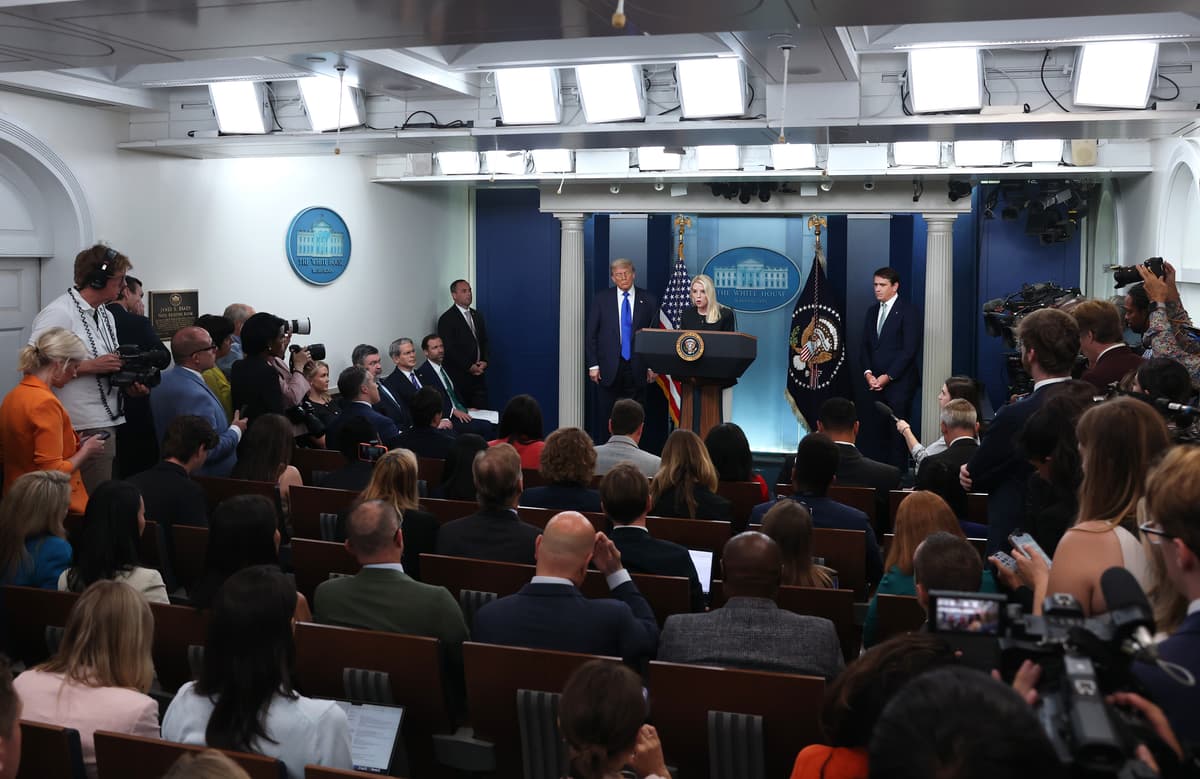
President Trump’s executive order limiting birthright citizenship is back in play in two states, with one judge pondering whether his injunction should remain in force and another allowing an injunction to go into effect.
In Boston, a federal judge heard arguments Friday on whether his injunction blocking the executive order, first issued in February, can withstand a recent Supreme Court order limiting such injunctions.
In New Hampshire, meanwhile, an injunction based on a new class action was allowed to go into effect after the Trump administration failed to appeal the judge’s earlier ruling.
In the Boston case, a group of 18 Democratic-led states and the District of Columbia asked a U.S. district court judge, Leo Sorokin, to extend his five-month-old injunction despite the Supreme Court 6-3 decision last month finding that federal district judges lack the authority to issue “universal injunctions” that apply nationwide.
Judge Sorokin has to assess the impact of the Supreme Court’s decision and decide whether to keep the injunction, narrow it, or scrap it altogether.
Shankar Duraiswamy, an attorney for New Jersey, told Judge Sorokin that the Supreme Court decision still allows for nationwide injunctions if there is no other way to provide “complete relief” to litigants, Reuters reports.
But a Department of Justice lawyer, Eric Hamilton, argued that the states had failed to understand the Supreme Court’s decision and that the states were alleging monetary harms, which are usually not covered by injunctions.
Judge Sorokin plans to issue a written decision on his injunction in the coming weeks but seemed receptive to keeping it in place.
In the New Hampshire case, a district judge, Joseph LaPlante, last week issued an injunction in a separate challenge to the executive order based on a class action brought by the ACLU. That lawsuit sought to exploit a loophole left by the Supreme Court decision regarding class actions.
Judge Laplante had paused his injunction for one week to give the Trump administration time to appeal, but when the time expired with no administration action, the injunction went into effect, according to the Associated Press.
The 14th Amendment ordains, in part, that “all persons born or naturalized in the United States, and subject to the jurisdiction thereof, are citizens of the United States.”
Mr. Trump issued his order ending the automatic granting of citizenship to the children of illegal aliens shortly after his return to the White House. The suit by the states is one of several in federal courts arguing that the directive violates individuals’ constitutional rights.
All of the decisions involving the birthright citizenship cases so far have dealt only with the legality of the injunctions themselves. There has been no ruling yet on the constitutionality of the president’s executive order. That is also expected to eventually work its way up to the Supreme Court.